Prisons unable to keep up with crisis of drones delivering drugs, report finds
Government and prison service said to be too slow to respond to the rapidly changing threats of illicit drugs entering jails
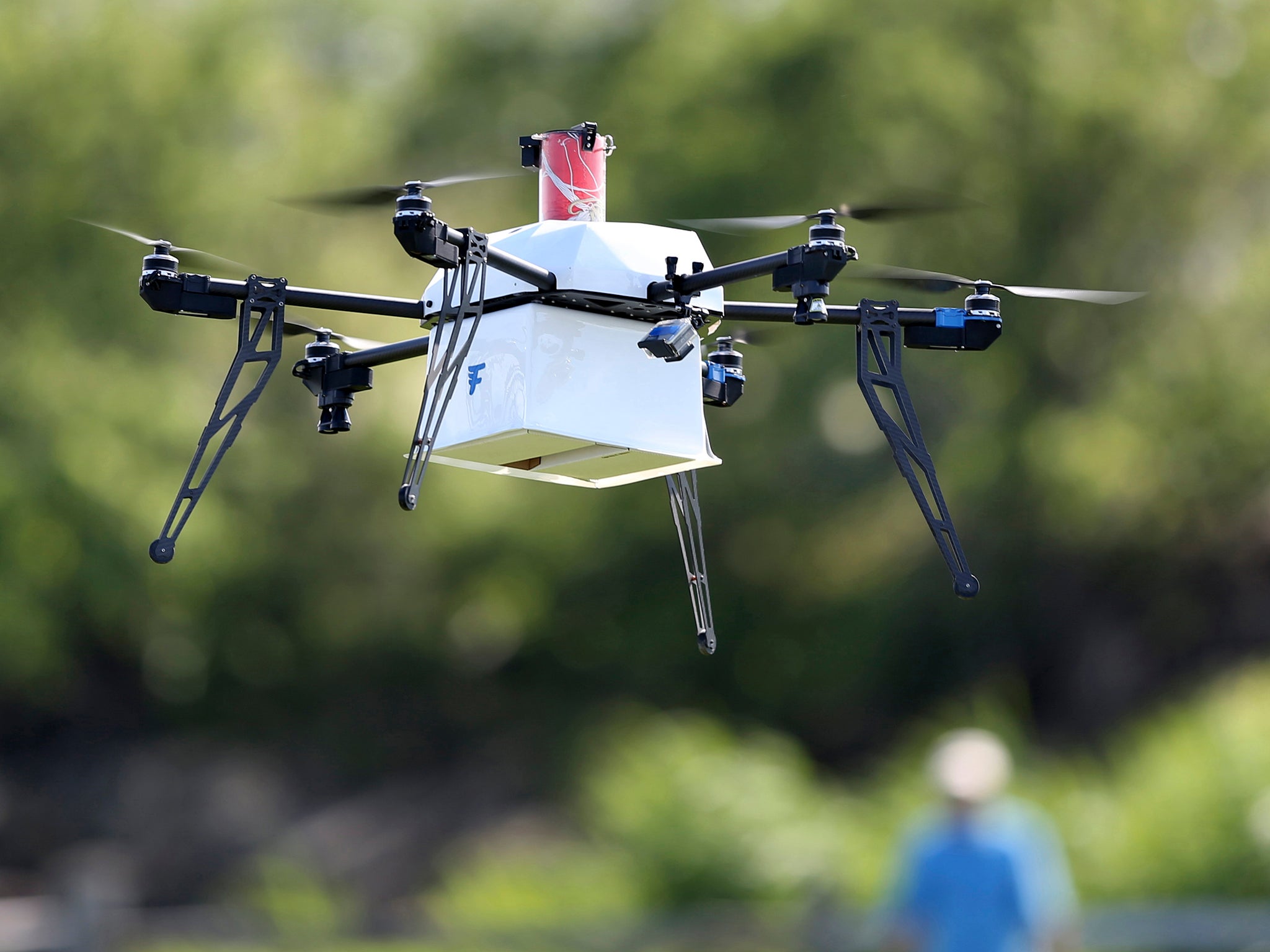
Gangs are increasingly using drones to deliver contraband to inmates, as a report found the government and prison service are too slow to respond to the rapidly changing threats of illicit drugs entering jails.
Prison governors have told the UK’s independent public spending watchdog that they do not have the resources to keep up with security demands, despite HM Prison and Probation Service (HMPPS) spending only 75 per cent of its £100 million security investment programme budget between 2019-2020 and 2021-2022.
Between April 2024 and March 2025, there were 1,712 recorded drone incidents at prisons across England and Wales.
Detective Chief Superintendent Lewis Hughes, of Greater Manchester Police, told Sky News: "We don't police the airspace.
"Organised criminals have cottoned on to the fact that it's very difficult to target and intercept drones. It’s a growing and evolving problem. Whilst drones have been around for a while now, they’ve never been more readily available."
Large budget underspends and a prison maintenance backlog that doubled from £0.9 billion to £1.8 billion between 2020 and 2024 are leaving prisons vulnerable to the entry of drugs.
In April last year, around 50 per cent, or 40,000 people in prisons in England and Wales, had an identified drug problem, the report from the NAO released on Wednesday found.
Gareth Davies, head of the National Audit Office (NAO), said: "The proliferation of illicit drugs in prisons undermines rehabilitation, damages health, and destabilises prison environments.
“Yet too many of the basic controls and interventions are not being done well enough - from repairing critical security equipment to aligning health and operational priorities.”
The spending watchdog stated that security weaknesses must be urgently addressed, as prison heads reported that broken security equipment, such as X-ray scanners for prisoners’ luggage, had not been repaired for several months.
The government invested £40 million in 2025 towards high-risk prisons to improve security measures. This included adding window grilles and netting to thwart the illegal use of drones.

HMPPS was allocated £97 million between 2022-2023 and 2024-2025 as part of the government’s 10-year drug strategy, From Harm to Hope. However, the report found that HMPPS spent only £67 million.
The NAO has also called for health services to work alongside prisons, finding that in 2024 to 2025, a quarter of prisoners with potential substance misuse needs waited more than three weeks for NHS England to conduct a health assessment.
Mr Davies said: "Our recommendations are designed to help the prison and health services direct resources to where they can have the greatest impact on this serious problem."
Prisons minister Lord Timpson said underinvestment in security measures was contributing to the “unacceptable” levels of drugs entering prisons.
“This report exposes yet further failings in the prison system we inherited,” he said. “We are taking decisive action to grip this crisis, investing £40 million to bolster security, including anti-drone measures like reinforced windows and specialist netting to keep contraband out.
“But I know more must be done. That is why we’re also boosting the support provided to offenders to overcome their addictions, funding substance-free units and deploying specialist staff across the estate to tackle drug use.”
Bookmark popover
Removed from bookmarks