Secret gagging order should not have been used to cover up Afghan data breach, Sir Ben Wallace says
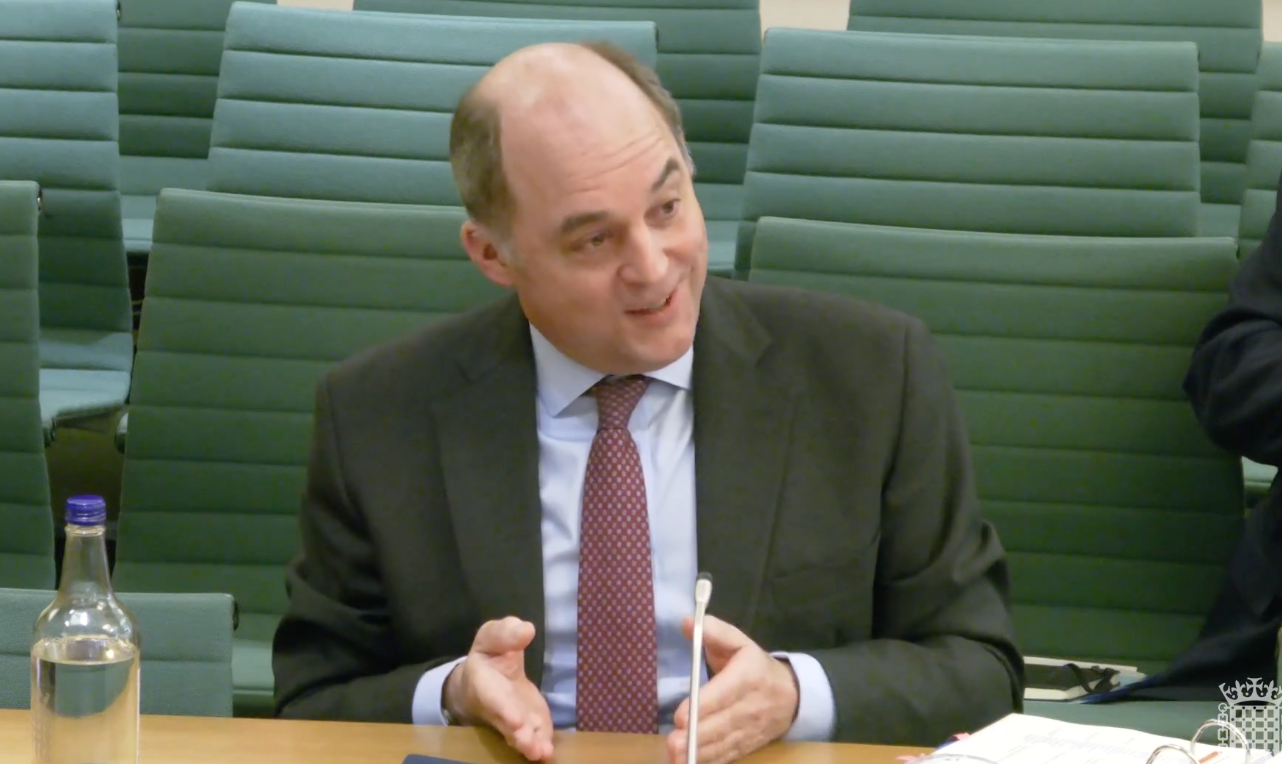
Sir Ben Wallace said he was surprised that MPs on the defence committee were not informed about the Afghan data breach
Sir Ben Wallace has said he would not have backed the use of a secret gagging order to cover up the catastrophic Afghan data breach that potentially put thousands of Afghans who helped UK forces at risk from the Taliban.
The former defence secretary told MPs on Tuesday that he had directed that a time-limited injunction be used to protect the news of the data leak while the Ministry of Defence (MoD) scrambled to understand what had gone wrong.
But Sir Ben said he was clear from the start that the government should not entirely cover up the breach, which occurred after an official emailed a spreadsheet of contact details outside of the MoD.
The leak, which was discovered in August 2023 and led to thousands of Afghans being secretly relocated to the UK, was only revealed to the public when a High Court judge lifted the unprecedented gagging order, known as a superinjunction, in July.
It came after The Independent and other media organisations successfully fought to lift it – 22 months after it was first imposed.
Sir Ben said he told officials: “We are not covering up our mistakes. The priority is to protect the people in Afghanistan and then open it up to the public. We need to say a certain amount are out of danger.”
Speaking about an indefinite injunction, Sir Ben said: “I didn’t think it was the right thing to do. I didn’t think it was necessary.” He told MPs that the injunction should only be in place for as long as it would take the MoD to quantify the number of people whose data had been breached.
When asked about whether he would have used a superinjunction, he added: “I said ‘we’re not doing that’. The only thing we’re going to do is we need to basically hold off in public until we get to the bottom of the threat these people are under. I said we won’t cover up our mistakes, we’ll talk about them.”
A superinjunction is so strict that even mentioning its existence is forbidden.
He added: “You can have an injunction, I think, without reporting the contents... A superinjunction, my understanding is you can’t even say there’s an injunction. I think I would never have been in that space. Public bodies are accountable. If necessary, you could even ring up the journalist and say please hold off, people are at risk. Most journalists don’t want to put people at risk.”
The MoD applied to the High Court for an injunction on the day that Sir Ben left government, with a judge proactively granting them a superinjunction.
Grant Shapps then became defence secretary, maintaining the gagging order until the 2024 general election when Labour took power. Labour kept the injunction in place while they reviewed the risk assessments that the order relied on. A review commissioned by defence secretary John Healey found that, while killings and other reprisals against former Afghan officials do occur, being identified on the dataset was unlikely to constitute sole grounds for targeting.
The Taliban already had access to “significant volumes of data” to help identify targets, it said. It added that knowledge of a data breach had spread, but that the actual database had not been shared as widely as initially feared.
Speaking about the moment of the breach in 2022, Sir Ben said it came about because “someone didn’t do their job”. He said that he had put in place new checking procedures in the MoD after another Afghan data breach, but that “that clearly didn’t happen on this occasion, someone clearly didn’t do their job”.
He added that the public were kept in the dark about the general threat to the UK from bad actors to justify low spending on defence. Sir Ben told MPs: “It’s all secret and if it’s all secret there’s not going to be a competing public pressure on the exchequer for money.”
He said that defence is lower on the list of voters’ priorities, but “that’s partly because they don’t know” the threat they are under.
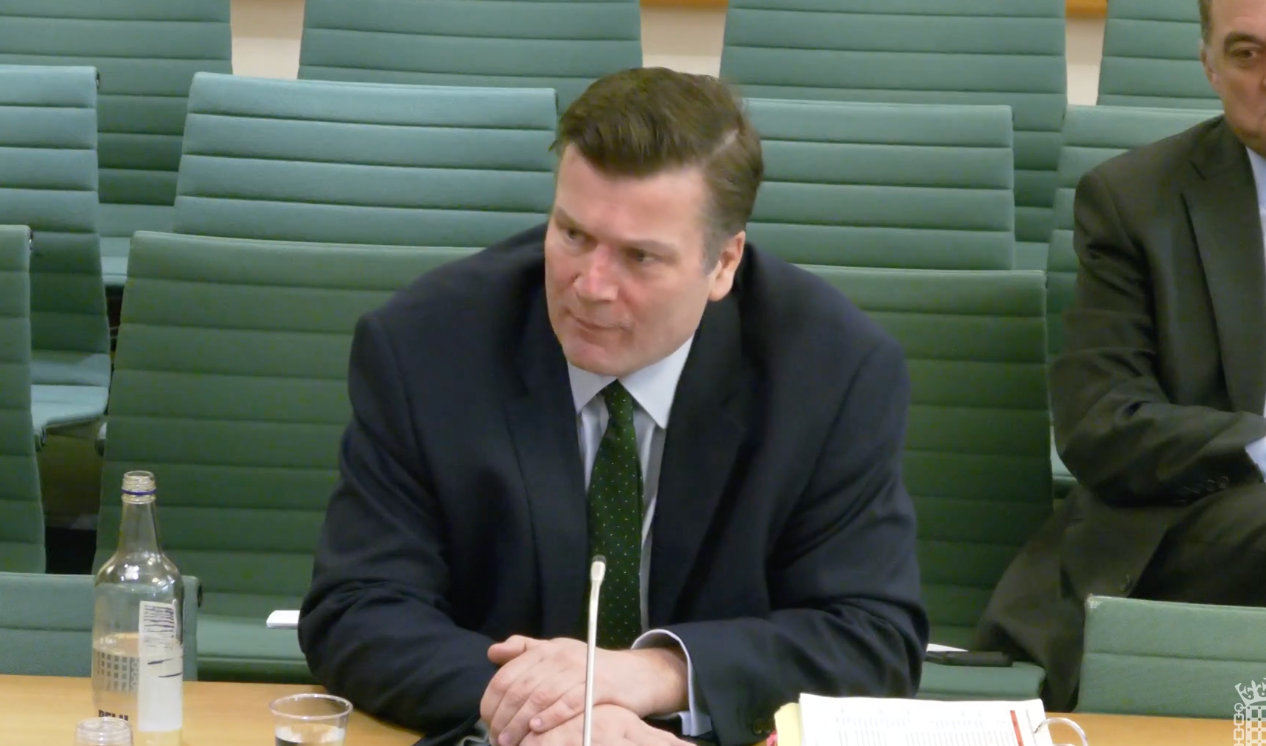
Former armed forces minister James Heappey told the committee that he was “increasingly uncomfortable” with the amount of information withheld from MPs when he was part of the last Tory government.
Speaking about the previous committee’s investigation into armed forces readiness, he said: “It is clear that during the Cold War, your predecessor committees were shown things like stockpiles and held fleets, and that the committee then redacted that before publication. Both [MoD’s senior civil servant] David Williams and I were very concerned that the dial had moved too much in terms of what was not exposed to the committee.
“I would argue that one if the armed forces aren’t as ready as they should be then parliament should know that... and if armed forces are as ready as they should be then there is a deterrent effect.”
Join our commenting forum
Join thought-provoking conversations, follow other Independent readers and see their replies
Comments
Bookmark popover
Removed from bookmarks