Nearly three-quarters of musicians fear AI will threaten their careers
A new report calls on the UK government to intervene to protect jobs in the creative sector


Almost three-quarters of musicians in the UK believe unregulated generative artificial intelligence threatens their ability to make a living, according to a new report which calls on the government to intervene.
The research also found that one in three creative jobs are at risk due to GenAI– a form of AI which can create original content – which is often trained on creatives’ media and intellectual property.
The Brave New World? report argues GenAI is causing a “creative jobs crisis” – with the employment of creatives replaced by GenAI at the same time as it uses their existing work for the training of new models.
It added nearly a third of illustrators report losing commissions or having projects cancelled due to GenAI, while 58 per cent of photographers have been affected. Authors report similar disruptions, with more than half seeing work disappear.
Additionally, 99 per cent of creatives said their work has been “scraped” without consent, meaning the training of AI models has seen their creative output lifted without permission or remuneration.
It comes after Sir Keir Starmer has stated his ambition for the UK to be a world leader in AI. The government launched a consultation on its relationship with copyright in 2025 and 95 per cent of respondents supported licensing as the appropriate way for works to be protected, according to the report.
Without the protection of copyright, creatives risk losing their intellectual property rights and control of their work, with no payment in return, the study argued. It calls on the government to change what it claims is a “contentious” approach to AI, ensuring that tech firms cannot mine creative works for free.
Without such protection, the report warns that the UK “stands on the brink of losing an entire sector” and proposes a new “CLEAR” framework for AI.
That is: content first; licensing, not scraping, ethical use of training data; accountability; remuneration and rights. It said its framework would develop clear rules that respect human creativity as technology develops.
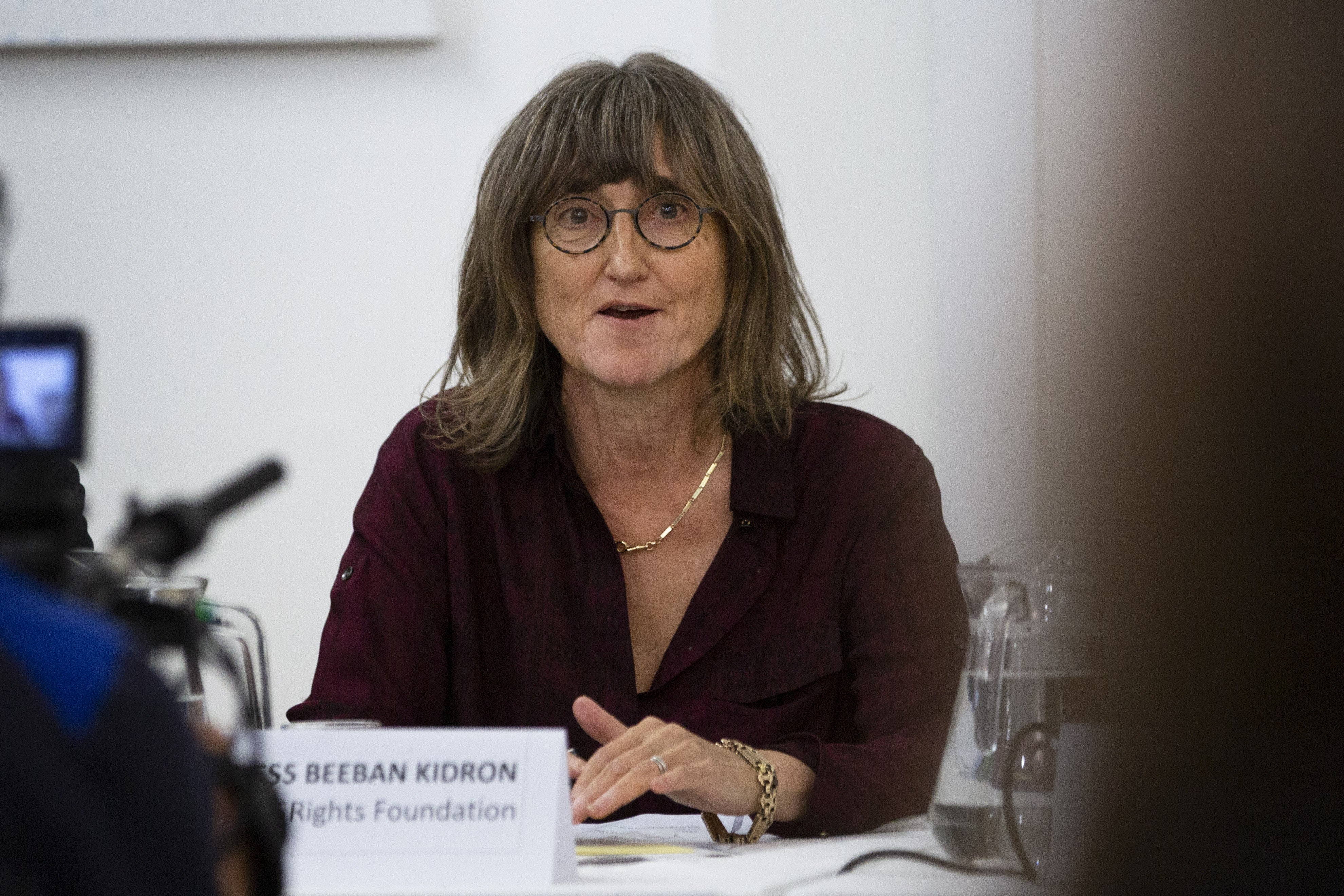
In the report’s foreword, filmmaker Baroness Beeban Kidron said: “This report calls for justice — and that framing is crucial. There is no special pleading here, nor any blindness to the opportunities inherent in AI.
“What is being taken, in plain sight, is the private property of UK citizens, protected by UK law. It is not the government’s to give away. To do so is an injustice.”
She added: “The findings in this report are not only an indictment of policy failure; they are a call to action. Creators must not accept a managed decline. They must organise, speak out - and use this report to engage government, the media, and their fellow creators — to demand justice.”
The report was published in partnership between the Independent Society of Musicians, the Society of Authors, arts union Equity, the Association of Illustrators and the Association of Photographers.
Rachel Hill, CEO of the Association of Illustrators, added: “The UK’s creative industries are one of our greatest strengths, powered by the skill and labour of creators.
“This report shows how unregulated generative AI is already harming that success, with work taken without permission, jobs lost, and creators pushed into competition with systems built on their own intellectual property.
“If the government is serious about supporting the creative industries, it must act now to protect creators’ rights and ensure human creativity remains central to our culture and economy.”
In response, a government spokesperson said: “Our work on copyright and AI has always been focused on protecting human creativity while ensuring UK citizens can reap AI’s transformational benefits. That's why we are continuing to engage with creatives to find a solution which will allow them to thrive.”
Join our commenting forum
Join thought-provoking conversations, follow other Independent readers and see their replies
Comments
Bookmark popover
Removed from bookmarks