Rare bird returning to county after 200 years of extinction
The red-billed chough vanished from Kent as a result of habitat loss and persecution
A young red-billed chough has successfully taken flight from a nest in Kent, marking the first such event in over two centuries, conservationists have announced.
The successful fledging of the chick at Dover Castle comes just three years after a reintroduction programme, led by Wildwood Trust, Kent Wildlife Trust and Paradise Park, began to restore the species into the region.
The red-billed chough has strong cultural links with Kent and its history, appearing on pub signs, Canterbury's coat of arms and in the legend of martyred Thomas Becket, whose blood was said to have stained the bird’s red beak and legs.
But the bird, a member of the crow family, vanished from the county more than 200 years ago, as a result of habitat loss and persecution.
The rare birds, which forage on grassland and heath with short vegetation near their cliffside nests, are found only on the western fringes of Britain, the Isle of Man and the island of Ireland.
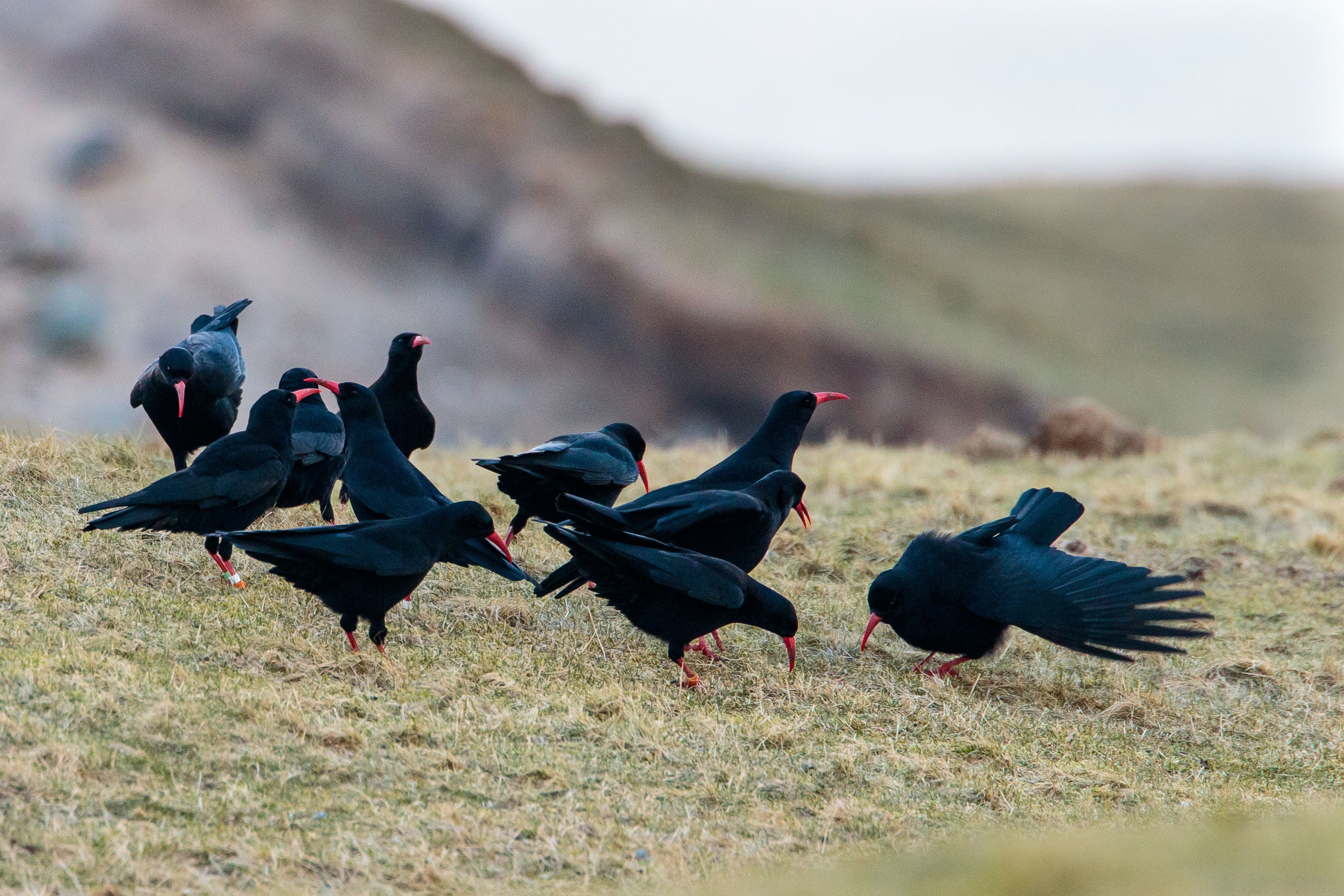
A reintroduction programme to rear and release chicks aims to introduce up to 50 birds in the South East over five years, with the first cohort of released birds taking to the skies in 2022.
And long-term efforts to restore and manage chalk grassland habitat, including through conservation grazing, have created the conditions for choughs to forage and breed, the team behind the project said.
Chalk grassland supports a wide array of wildflowers and invertebrates, with the insects and larvae found in dung from grazing animals a crucial food source for choughs during the breeding season.
Conservationists say the successful fledging of a wild-born chough is a landmark moment for the bird’s return to the county.

It follows a breeding attempt in 2024, which ended when the chick went missing at the fledging stage during severe weather, but this year the youngster seems to be thriving, the team said.
Liz Corry, chough release supervisor at Wildwood Trust, said: “This is a moment we’ve all been hoping for.
“To see a wild chick not only hatch but fledge and take to the skies is a major step forward.
“It confirms that the birds are finding suitable nesting habitat, and pairing up to raise young – exactly what we’ve been working towards.”
Paul Hadaway, director of conservation and engagement at Kent Wildlife Trust, said: “This project shows what’s possible when long-term habitat restoration meets ambitious species recovery.
“A thriving chough population in Kent not only revives a lost species – it also proves the value of restoring rare habitats like chalk grassland, which are vital for a huge range of wildlife.”
Join our commenting forum
Join thought-provoking conversations, follow other Independent readers and see their replies
Comments
Bookmark popover
Removed from bookmarks