Coronavirus exposes extent of UK’s rough sleeping problem
The scale of the issue could be nine times worse than government estimates
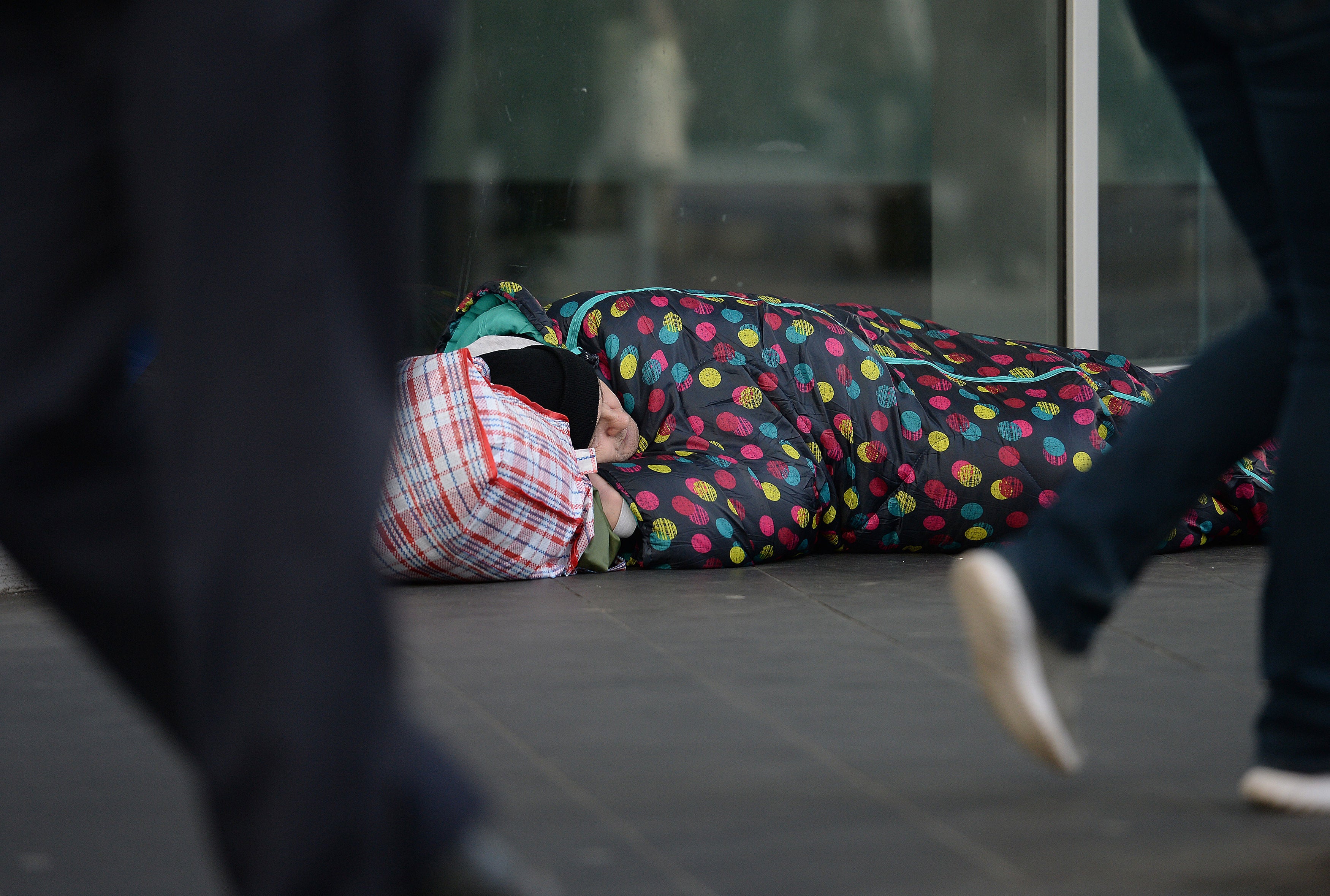
The scheme to take rough sleepers off the streets during the Covid-19 pandemic suggests the true scale of the problem could be almost nine times worse than the official government estimate, according to a new report.
MPs said the success of the “Everyone In” initiative exposed gaps in the Ministry for Housing, Communities and Local Government (MHCLG)’s approach to tackling homelessness.
About 37,430 people were helped into accommodation up to January with deaths among rough sleepers from coronavirus estimated to be limited to 16, according to a report published by the Commons Public Accounts Committee on Wednesday.
The number of people housed is nearly nine times the MHCLG’s pre-pandemic estimate of 4,266 rough sleepers on Britain’s streets.
The committee said the gap has thrown the government’s homelessness strategy into question and ministers still have no plan for keeping the 2019 election promise to end rough sleeping by May 2024.
Read more:
- Boris Johnson attacked over ‘shocking’ plan to increase nuclear warheads - live
- What are the new powers to ‘manage’ protests in the police bill?
- Downing Street fails to deny report that PM said UK should ‘ignore’ threat from Covid
- Dominic Raab tells officials to trade with countries that fail to meet human rights standards in leaked video
Committee chair Meg Hillier, a Labour MP, said: “Everyone In was a success with local authorities and voluntary organisations working to help people living on the street into hostels and hotel rooms in a matter of days.
“But the Everyone In initiative has exposed the scale of the task the Ministry of Housing faces to meet the government’s commitment to end rough sleeping in three years.
“Rough sleeping was a massive public health issue long before the pandemic, and much larger than government has previously publicly acknowledged.
“MHCLG now has a huge opportunity to capitalise on this success in the pandemic response and begin to reverse its long record of failed and abandoned housing targets and policies.
“People without recourse to public funds are still left exposed and risk losing support. Support for these people is urgent.”
The committee criticised MHCLG’s sometimes “disappointing evasiveness” and said it is uncertain whether the department will meet its target to provide 3,300 homes for rough sleepers by the end of the month.
MPs also questioned whether funding of local authorities is enough to meet the government’s goals.
Paul Noblet, youth homelessness charity Centrepoint’s head of public affairs, said: “The huge gap between the official figures and the true number of rough sleepers has been an open secret for too long.
“Without understanding and acknowledging the true scale of the problem, it’s almost impossible for councils to secure the resources desperately needed to end rough sleeping.
“The increased funding during the pandemic has made a difference but we cannot slip into complacency.
“To tackle rough sleeping and end homelessness for good we need a detailed plan of action to support all age groups alongside continued higher levels of funding for councils and charities.”
PA
Join our commenting forum
Join thought-provoking conversations, follow other Independent readers and see their replies
Comments
Bookmark popover
Removed from bookmarks