Coronavirus: UK interest rates cut in emergency measure as outbreak hits economy
Central bank says extent of economic shock from coronavirus ‘highly uncertain’
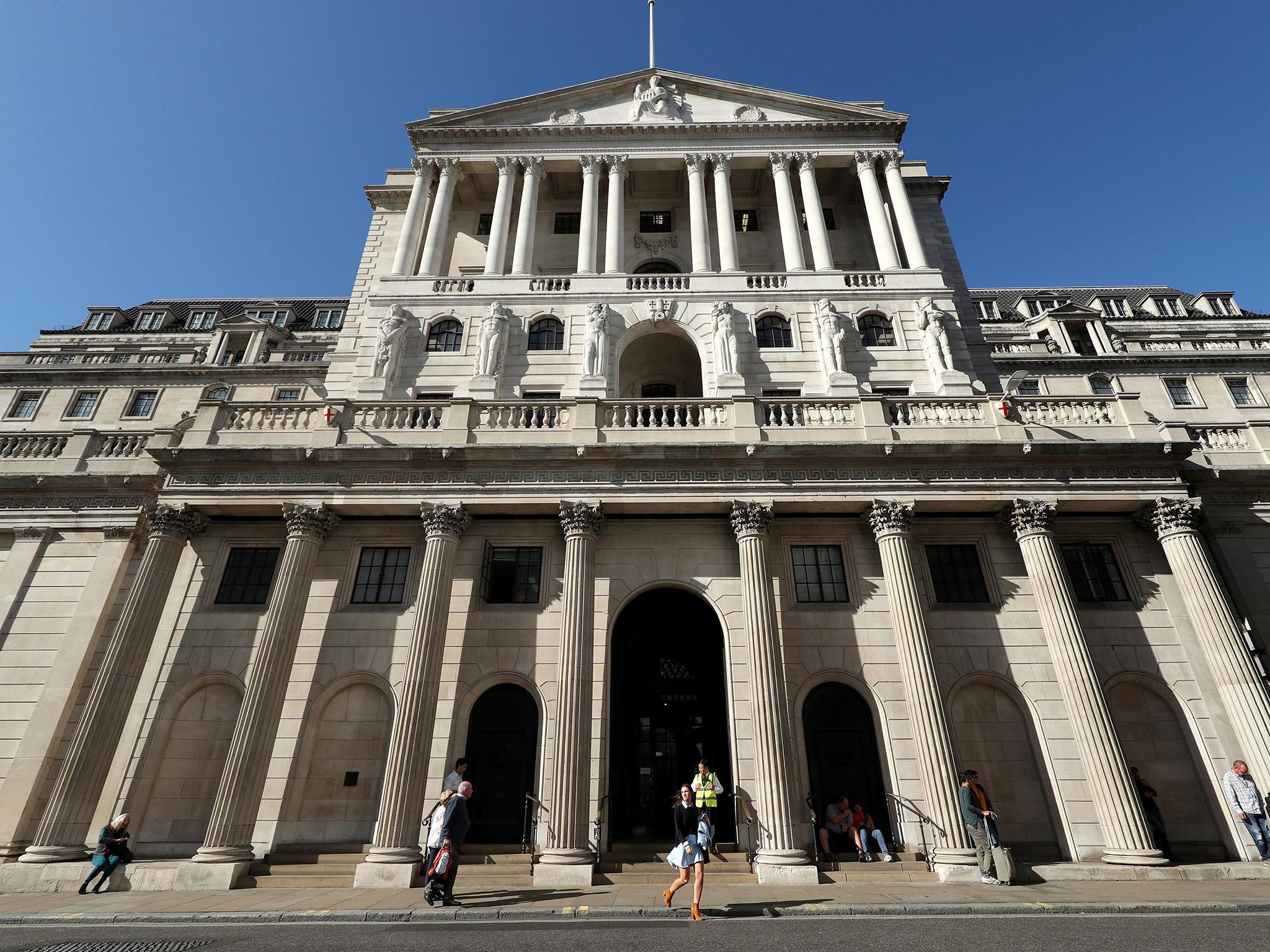
The Bank of England has announced an emergency cut to its main interest rate in an attempt to tackle the economic fallout caused by the coronavirus outbreak.
Policymakers lowered the Bank rate from 0.75 per cent to 0.25 per cent in a bid to prevent temporary disruption from causing long-term damage.
The Bank of England’s Monetary Policy Committee (MPC) voted unanimously on Tuesday to reduce interest rates, a move that will reduce costs for borrowers such as those who have tracker mortgages.
The Bank’s Prudential Regulation Authority, which supervises large lenders, told banks to pass on the rate cut to consumers and not to increase bonuses and shareholder dividends in response to the policy.
It is the first cut since August 2016 and the first unplanned rates decision since the financial crash in 2008.
The move came as the uncertainty of financial markets reached “extreme levels”, after stocks plunged dramatically at the start of the week while the UK economy flatlines. The London Stock Exchange fell by 8 per cent on Monday in one of the biggest single-day drops since 2008.
New economic data showed that even before the coronavirus outbreak began there was no sign of a “Boris bounce” in January, with growth falling to zero for the month and analysts warning a contraction could be in store.
“There has to be a very real danger that the economy could contract in the second quarter, said Howard Archer, chief economic advisor to the EY Item Club. “The sharp fall in oil prices should also give some help to consumer purchasing power. However, consumer spending is likely to be reined in while businesses are likely to hold back on investment and starting new projects.”
In a statement, the Bank of England said: “The reduction in Bank rate will help to support business and consumer confidence at a difficult time, to bolster the cash flows of businesses and households, and to reduce the cost, and to improve the availability, of finance.”
It added that the extent of the economic shock from the virus is “highly uncertain”, saying it could “prove sharp and large, but should be temporary”.
The statement also said: “Temporary, but significant, disruptions to supply chains and weaker activity could challenge cash flows and increase demand for short-term credit from households and for working capital from companies.
“Such issues are likely to be most acute for smaller businesses. This economic shock will affect both demand and supply in the economy.”
The MPC also voted to introduce a new funding scheme to help small and medium-sized enterprises. It is hoped that this will provide more than £100bn in term funding.
Term funding refers to the provision of funds by the Bank of England to lenders at or close to the Bank rate over a period of four years.
The Bank said this would help ensure the impact of reduced borrowing costs is transmitted to the companies and households in the real economy.
In a further measure to help boost growth, banks will temporarily be required to hold less capital to guard against a future downturn.
Lenders are required to build up their cash buffer during periods when credit is expanding to protect against losses when conditions get tougher.
The Bank has cut the so-called counter-cyclical capital buffer from 1 per cent to zero, arguing that this was a sensible option, given that the impact of coronavirus will be temporary and buffers can be built up again once the risk subsides.
The British Chambers of Commerce director general Dr Adam Marshall said: “Businesses will welcome the decisive action taken by the Bank of England to support the economy at this delicate moment.
“The Bank and UK financial institutions must now work together to ensure that these policy measures translate into real-world support for firms on the ground.
Later on Wednesday, chancellor Rishi Sunak will unveil a spending boost in his first Budget amid the backdrop of economic instability caused by the coronavirus crisis.
Join our commenting forum
Join thought-provoking conversations, follow other Independent readers and see their replies
Comments
Bookmark popover
Removed from bookmarks