Survey reveals what Britons really think about daylight savings
Almost three in five people believe the twice-yearly clock change should be scrapped
New research indicates that almost three in five people believe the twice-yearly clock change should be scrapped.
A survey of over 100,000 people, conducted by hotel chain Travelodge ahead of the end of British Summer Time this weekend, found that 57 per cent of respondents are against the practice.
The study revealed a clear division in public preference: one in three participants expressed a desire for permanent British Summer Time, favouring lighter evenings.
Conversely, one in four respondents preferred lighter mornings and advocated for permanent Greenwich Mean Time.
The survey also highlighted a broader issue, with one in five people reporting they get less than five hours of sleep per night, frequently citing stress or anxiety as the cause.
Every year, clocks go back an hour at 2am on the last Sunday of October. This year, that will happen on 26 October.
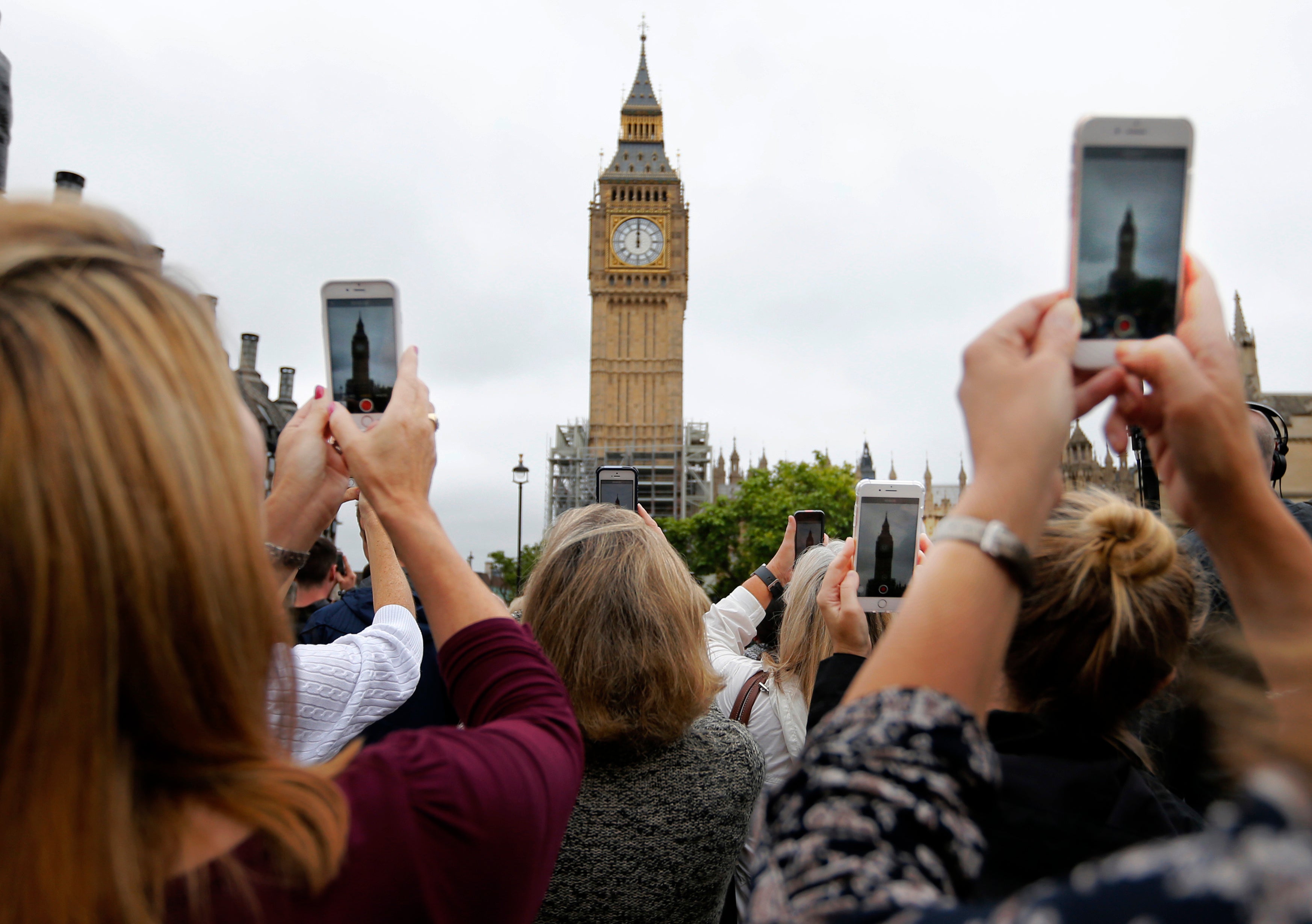
The shift marks the build-up to the darkest day of the year known as the winter solstice, which is followed by the latest sunrise.
As the UK builds towards the winter solstice, sunrises start later, and daily sunlight decreases.
In December, the sun will rise as late as 8.06am and the majority of the month will see London having fewer than eight hours of sunlight.
Where did the idea come from?
In Britain, the idea for daylight savings was proposed by a builder, William Willet, in a pamphlet titled The Waste Of Daylight, which circulated in 1907.
Mr Willet, an avid horse rider, said the concept dawned on him while he was riding his horse on an early summer morning when he noticed a large number of drawn curtains.
The Summer Time Act was introduced in 1916 and stated that from spring to autumn, legal time would be an hour ahead of Greenwich Mean Time.
The act was adopted during the First World War when the country needed to make use of as much daylight as possible to conserve coal.
Join our commenting forum
Join thought-provoking conversations, follow other Independent readers and see their replies
Comments
Bookmark popover
Removed from bookmarks