Warning issued over de-icing your car as drivers face potential fines
Highway experts warn that drivers could be fined up to £1,000 for repeatedly defrosting their car incorrectly
As the weather turns cold and snowy, it can be tempting to leave the car engine running as we wait for the icy windscreen to defrost. But drivers should be aware that they could be fined up to £1,000 for repeatedly defrosting their car incorrectly, highway experts warn.
The Royal Automobile Club foundation (most commonly known as RAC) has warned drivers that if they leave their engine running on a public road unattended, they could be at risk of being heavily fined.
This is because leaving your running engine unattended is an offence known as “idling” and it breaks rule 123 of the UK Highway code, under regulations 98 and 107 of the Road Vehicles (Construction and Use) Regulations 1986.
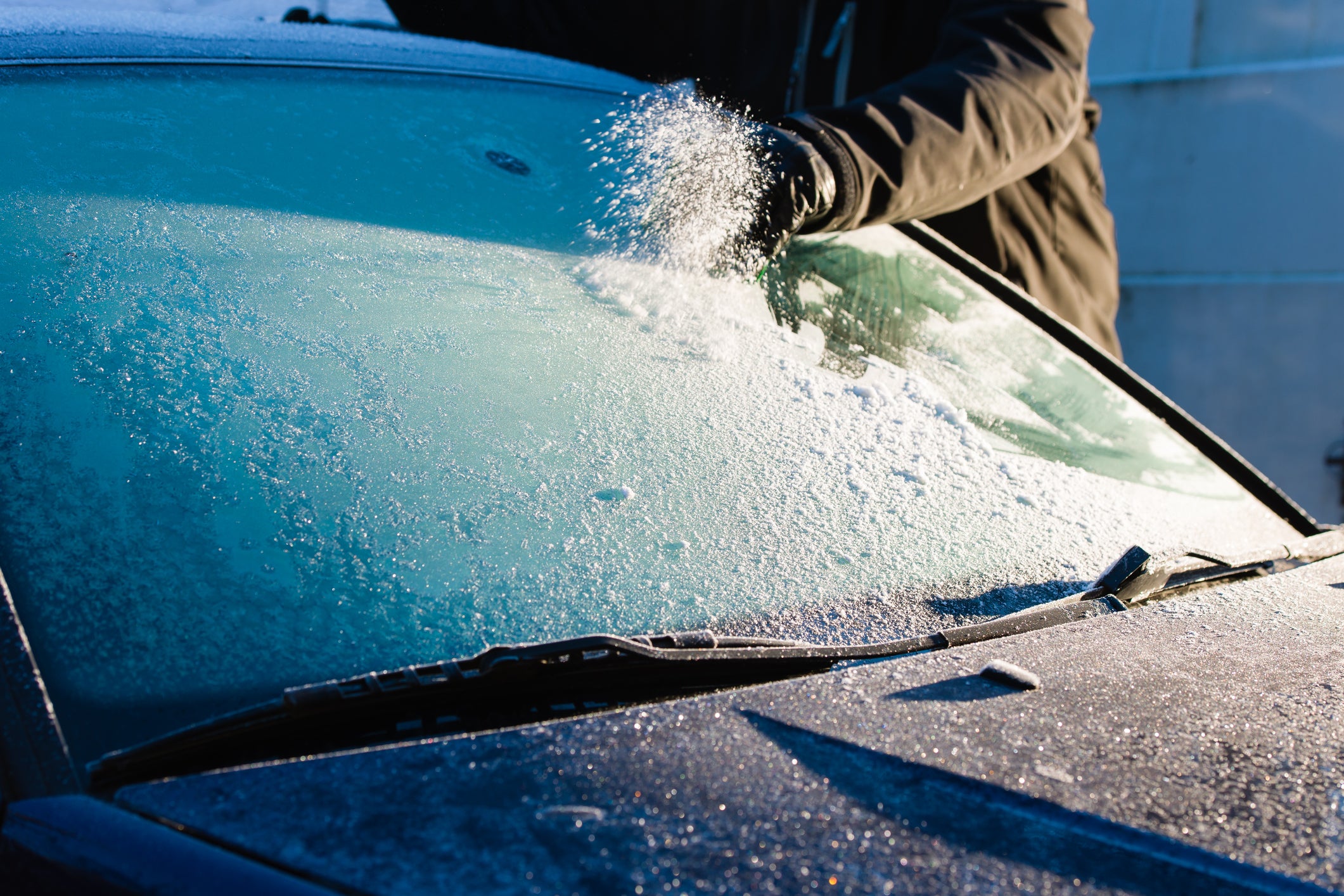
Additionally, an idling stationary engine can be a harmful pollutant for the environment, producing up to twice as many emissions as an engine in motion, impacting the surrounding air in the area, according to RAC.
In 2016, the Royal College of Physicians estimated that 40,000 deaths a year in the UK are linked to air pollution.
If you fail to turn your engine off when instructed to, you could land yourself a fixed penalty notice of £20. If this sum is not paid within 28 days, the fines can escalate to £40. This will then increase up to £80 if the previous fine was not paid within the following two weeks. Eventually, the fine could rise as high as £1,000 if you are found to be a repeat offender.
The rule does not apply if you are using your own driveway, as it is not a public highway, but drivers are advised to be careful on public roads, where the highway code does apply.
Lawyer Gary Rycroft spoke to BBC Morning Live about the dangers of defrosting and advised listeners on how to avoid hefty fines.
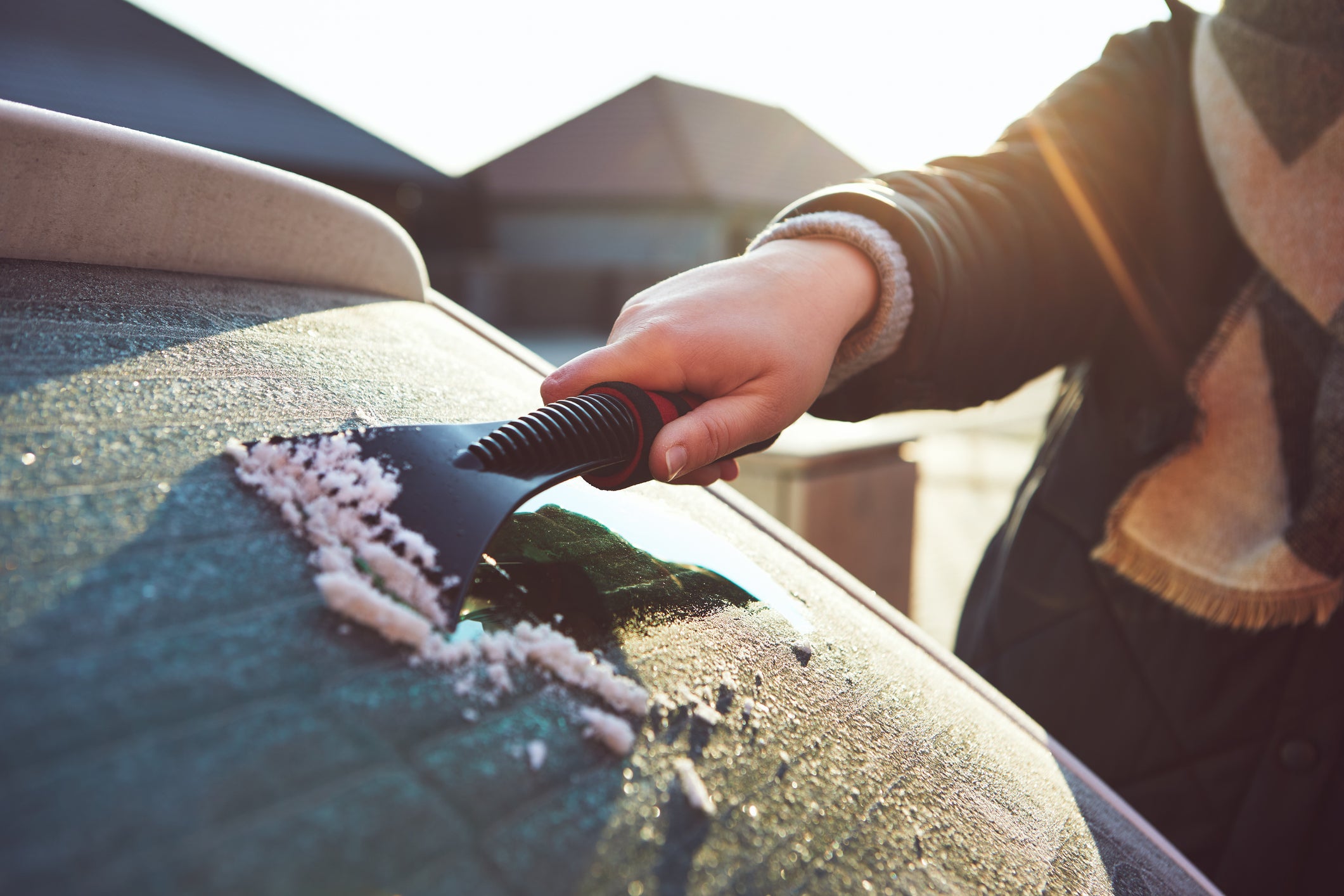
He warned that failure to properly clear your windscreen of snow or ice could also result in penalties too. He explained safety issues such as “portholing”, which is where people scrape a small, circular porthole in a frosted surface instead of clearing their whole windscreen, can lead to a dangerous lack of vision when driving.
Using a vehicle with parts or accessories in a “dangerous condition” could result in a fine of £60 and three penalty points.
Simply removing the ice from the driver’s side of the windscreen is not enough – you must de-ice the entire area, using the wipers when the ice has melted.
Over the years, many vehicles have been stolen after the owners left the car running with the keys inside the ignition.
Here is the advice RAC has issued on how to properly defrost your car legally and safely:
- Plan ahead and buy a dedicated ice-scraper and de-icer to speed things up. Squirt the de-icer over the windscreen before clearing the ice with a scraper.
- It’s also worth lifting up your wipers by hand to check they are not frozen to the windscreen. If they are, switching them on could potentially burn out the motor – an expensive fix. It could also tear the wiper blades.
- If you do not have a de-icer to hand, then you can use a basic solution of water with an added teaspoon of salt to pour over any affected areas. Another homemade remedy is adding the solution of three parts vinegar to one part water to a spray bottle as a homemade de-icer.
- Remember, if you’re heading out for the day, be sure to keep a spare de-icer and scraper in the car. Temperatures can quickly drop in the evening, meaning you might need to repeat the process before leaving work.
- Avoid using a credit card or CD case to scrape the ice and frost off your windows. As well as potentially snapping your card, this method could also scratch your windscreen.
- Never pour boiling water over the windows, as when boiling water comes into contact with freezing cold car windows, it could at the very least weaken the glass and at the very worst cause it to crack.
Join our commenting forum
Join thought-provoking conversations, follow other Independent readers and see their replies
Comments
Bookmark popover
Removed from bookmarks