Labour urged to fix Universal Credit with more than 15m households to claim key benefit from April
A Department for Work and Pensions spokesperson said the Universal Credit system was being reviewed, including how claimants can be supported before their first payment
The government must fix key issues in the Universal Credit system, with it set to be claimed by 15 million households later this year, a new report has warned.
All six ‘legacy benefits’ that Universal Credit was designed to replace when it was introduced 13 years ago will be finally replaced by the all-encompassing payment from April. lThis will bring more people than ever into receipt of the benefit, and place more than half of all children in the UK (6.5 million) into Universal Credit households.
But challenges in the system still persist, researchers from the influential Resolution Foundation have found, drawing on the experience of claimants and welfare advisers.
One of the most persistent problems highlighted is the five-week wait for the first payment after successfully claiming Universal Credit, highlighted by The Independent last year. One research participant, called Alby, said that the rule “pushes people into crisis at the exact moment they’re most vulnerable”.
He added: “Many have no choice but to take an advance, which then leads to deductions and deepens financial pressure in the months that follow.”
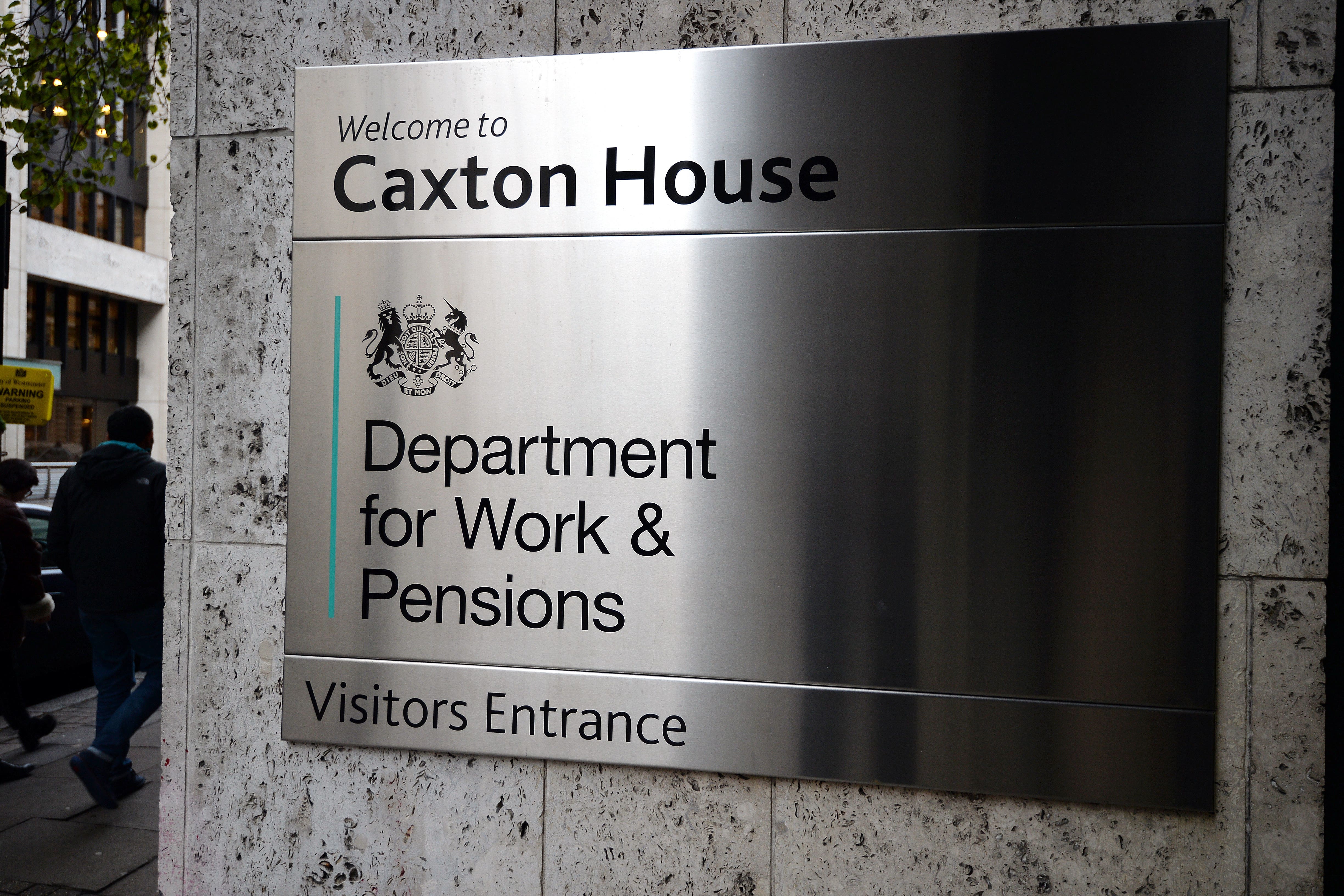
Another issue commonly raised is the lack of flexibility around assessment periods, with the Department for Work and Pensions (DWP) currently only considering monthly income. This is unfair for those who are self-employed, paid weekly or four-weekly, the Resolution Foundation report claimed, as they are placed at risk of receiving less support than someone who earns the same amount in a stable monthly pattern.
A Department for Work and Pensions spokesperson said the Universal Credit system was being reviewed, including how claimants can be supported before their first payment.
Other issues raised in the foundation’s report include:
- The need to pay childcare costs upfront prevents some claimants from entering work or increasing hours
- Communication can be poor, leaving claimants struggling to understand their current rights and their responsibilities
- Claimants often face long waits for replies to requests they make for information
Ella, a Universal Credit claimant, said: "It would make a huge difference to the lives of millions of Universal Credit claimants if we can co-produce and create a system which promotes dignity and respect. These values should be at the very core of Universal Credit so that no family is left lost in the system and wrongfully penalised."
The Resolution Foundation adds that a “fundamental culture reset” is needed to restore trust in the Universal Credit system, alongside the technical improvements it highlights.
Universal Credit is replacing the following six means-tested legacy benefits:
- Housing benefit
- Income Support
- Income-based Jobseekers Allowance (JSA)
- Income-related Employment and Support Allowance (ESA)
- Child Tax Credit
- Working Tax Credit
Lindsay Judge, research director at the foundation, said: “Universal Credit now supports more than half of all children in the UK, making it more urgent than ever that the government reforms the system to make it easier to use for the 15 million people who rely on it.
“Our proposals show that a range of structural and cultural changes could transform claimants' day-to-day experiences of the system with only a marginal increase in the year-on-year benefit spend.
“From softening the five-week wait to supporting parents with upfront childcare costs, these changes would make Universal Credit simpler, more flexible, and more dignified for the families it's designed to support.”
A DWP spokesperson said: “We support millions of people through Universal Credit every year and are pleased this report finds customer satisfaction is relatively high.
“We’ve taken action so parents can move into work and claim back most of their childcare costs. We’re also putting cash back into people’s pockets by boosting the standard rate of Universal Credit, and by changing the amount of debt that can be taken from customers allowing 1.2 million households to keep more of their money.
“But we know Universal Credit could work better, which is why we're reviewing it – including how we support people before their first payment."
Join our commenting forum
Join thought-provoking conversations, follow other Independent readers and see their replies
Comments
Bookmark popover
Removed from bookmarks