How to avoid heartburn this Christmas
Heartburn is a burning caused by stomach acid travelling up towards the throat, also known as acid reflux
Turkey, chocolate and sparkling wine - all things many Britons are sure to be indulging in over the festive period.
But for some, painful heartburn and indigestion risks getting in the way of Christmas cheer, with GP Dr Hilary Jones saying there is a hit on the NHS website every 13 seconds on 25 December of people asking for advice about heartburn.
Heartburn is a burning caused by stomach acid travelling up towards the throat, also known as acid reflux.
It's usually felt directly in the chest, but can also rise to the throat and result in an acidic or bitter taste in the mouth.
The pain is often worse after eating, when lying down, or in the evening, and although it is typically not a cause for concern, it can be very uncomfortable.
Here we have a look at what heartburn is, and how to avoid it:
What is heartburn?
According to the NHS, heartburn is a burning feeling in the chest caused by acid reflux, which tends to happen after meals or at night.
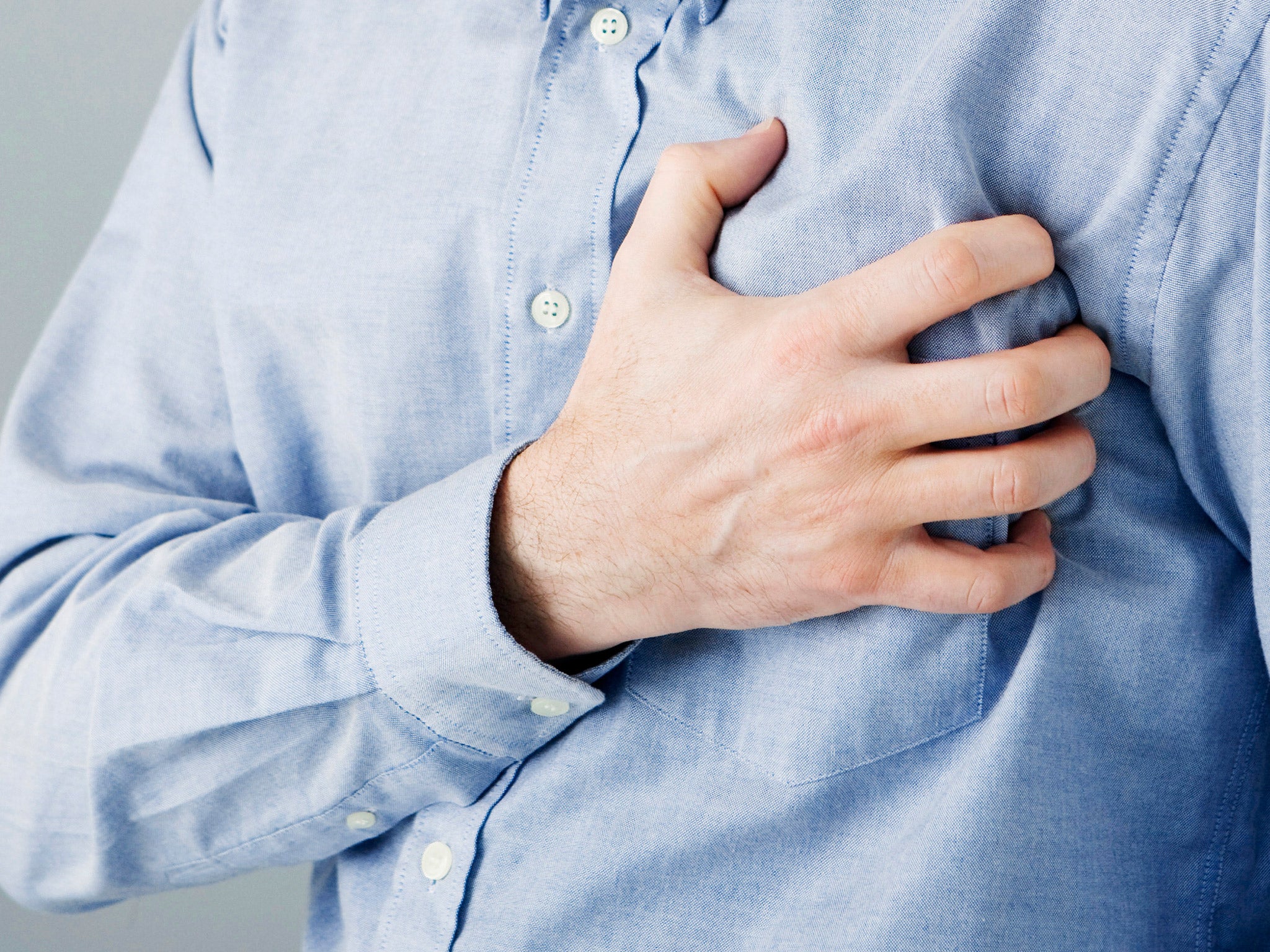
This is when stomach acid travels up towards the throat. If it keeps happening, it may be called gastro-oesophageal reflux disease (GORD).
The main symptoms of acid reflux are a burning sensation in the middle of your chest and an unpleasant sour taste in your mouth, caused by stomach acid.
You may also have a cough or hiccups that keep coming back, a hoarse voice, bad breath, or feel bloated or sick.
Symptoms are often worse after eating, when lying down and when bending over.
What causes heartburn?
The NHS says that while there’s no obvious reason behind heartburn, it can be made worse by certain food and drink.
This includes coffee, tomatoes, alcohol, chocolate and fatty or spicy foods.
Other factors include, being overweight, smoking, pregnancy, stress and anxiety and an increase in some types of hormones, such as progesterone and oestrogen.
Some medicines such as ibuprofen can also make heartburn worse.
Other reasons include a hiatus hernia, which is when part of your stomach moves up into your chest, a stomach ulcer or a bacterial infection in your stomach.

How to avoid heartburn
There are some simple ways to avoid heartburn, including which foods to eat and avoid and even which side to sleep on.
Speaking to Lorraine Kelly on Thursday, Dr Hilary Jones advised people to try to avoid too many fry ups, and to opt for a yoghurt bowl instead.
“All that grease, all that fat, means that your stomach stays fuller for longer with lots of acid in it,” he said.
His second piece of advice was to swap acidic bubbles such as Champagne for more stomach-friendly festive tipples, such as red wine or gin.
Eating earlier could also help with heartburn, Dr Jones said: “Your stomach takes two to three hours to empty, so best to go to sleep on an empty stomach rather than a full one.”
When you do go to bed, Dr Jones said it is best to sleep on your left side: “Using gravity and anatomy, you’re less likely to get heartburn on your left side because your stomach is more on your left side.”
The NHS says recommend medicines called antacids or alginates can help ease your symptoms. These are taken with food or soon after eating, as this is when you're most likely to get heartburn.
Join our commenting forum
Join thought-provoking conversations, follow other Independent readers and see their replies
Comments
Bookmark popover
Removed from bookmarks