UK hosepipe ban rules: What you can and cannot do
Other companies have warned they may have to follow Yorkshire Water and South East Water and introduce hosepipe bans if nothing significant changes to water supplies
Hosepipe bans have been introduced across parts of England as the country suffers drought conditions and water shortages following a prolonged spell of dry weather.
So far nearly seven million Britons face water restrictions, after South East Water announced on Friday that customers in Kent and Sussex have been placed under a hosepipe ban due to record levels of water consumption.
The South East ban was announced after a hosepipe ban came into effect across Yorkshire.
The ban comes as a third heatwave grips the country, with the UK expected to experience the hottest weekend of the year so far with forecasts of more than 34C for some parts.
Yorkshire Water said it brought in restrictions to protect supplies ahead of the ongoing dry weather, while South East Water said demand for drinking water had reached “record levels since May”. Other companies have warned they may have to take similar action if nothing significant changes to water supplies.
Police have asked residents not to contact them about hosepipe ban rulebreakers, and instead contact local water authorities.
According to the government’s Environment Agency, the official name for a hosepipe ban is a Temporary Use Ban (TUB). Here is what people can and cannot do, according to the TUB rules.
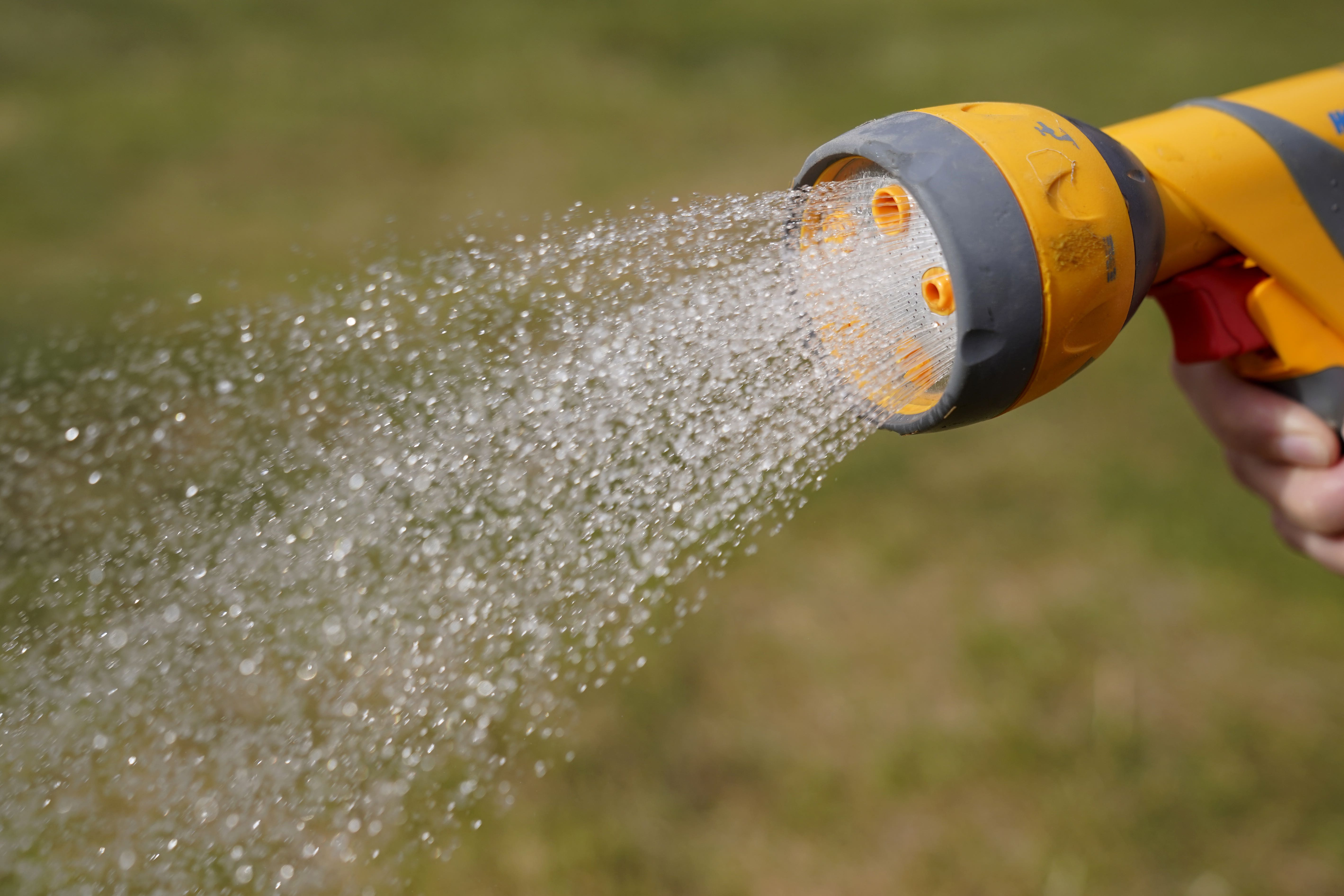
What can’t you do in a hosepipe ban?
- Water a garden using a hosepipe
- Water plants on non-commercial or domestic premises using a hosepipe
- Clean a private vehicle using a hosepipe
- Clean a private leisure boat with a hosepipe
- Fill or maintain a domestic swimming pool (including paddling pools) with a hosepipe
- Draw water with a hosepipe for domestic recreational use
- Fill or maintain a domestic pond using a hosepipe
- Fill or maintain an ornamental fountain using a hosepipe
The Environment Agency’s definition of a garden includes a park, gardens that are open to the public, grass verges, lawns, sports grounds, allotment gardens, any allotment area used for non-commercial purposes, and any other green spaces. The ban includes the use of sprinklers.
What can you do in a hosepipe ban?
Businesses can still use hosepipes if they are being used for commercial purposes.
Other people can still water plants or their garden, or wash their car, but these things instead must be done with a watering can or bucket to help conserve water.
The Environment Agency said there are actions people could take to save water, that even people who aren’t under a hosepipe ban could do.
Those include fixing leaking toilets, taking shorter showers, and installing a rain butt to collect rainwater.
Join our commenting forum
Join thought-provoking conversations, follow other Independent readers and see their replies
Comments
Bookmark popover
Removed from bookmarks