Daughters of forest recluse win £1m inheritance battle against ‘domineering’ aunt
Michael Gwilliam was suffering from ‘insane delusions’ when he drew up his will, judge rules
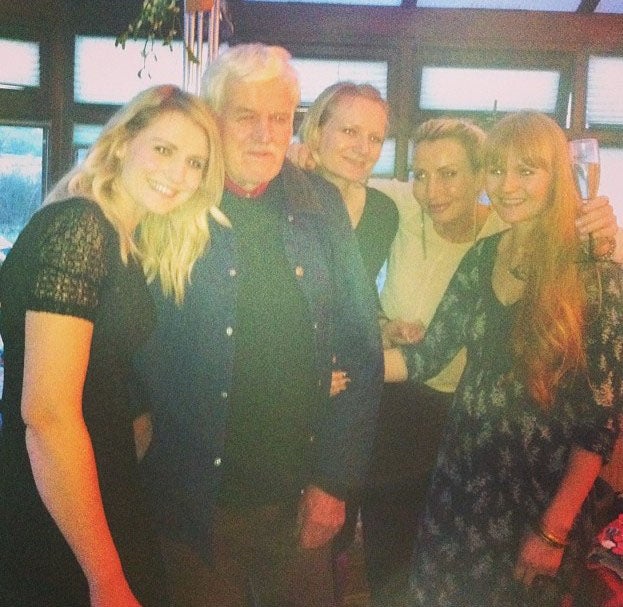
Four daughters have successfully challenged their "domineering" aunt in a court battle over the £1 million estate of their eccentric father, a man described as a "son of the Forest".
Michael Gwilliam, who passed away aged 79 in February 2022, spent almost his entire life in Gloucestershire’s "rural, ancient and somewhat secluded" Forest of Dean.
He was a farmer and antiques dealer, known for his passion for restoring classic cars. He was described in court as "a true son of the Forest of Dean", an eccentric yet popular local figure who "lived in his overalls and wellies".
His relationship with his daughters had been "harmonious" until 2013. However, after turning 71, Mr Gwilliam’s mental health rapidly deteriorated. He began to believe he was "under siege" in his rural home, developing irrational suspicions about neighbours and even his own four children.
He had never made a will, the court heard, understanding his substantial estate, estimated by lawyers at up to £1 million, would automatically pass to his daughters under intestacy rules.
But after his death, his four daughters – Helen Ginger, Georgina Charles, Emily Gwilliam and Caroline Gwilliam – were shocked to discover that he had made a will in 2014 which only left them 25 per cent of his estate between them.
Their aunt, vintage clothing shop owner Sheila Gwilliam, 81 – who was described as "domineering" by Caroline – had been handed 25 per cent in her own right, with 15 per cent going to her son Robert Mickleburgh, another 25 per cent going to Mr Gwilliam’s former partner and friend Joan Brooks, and the rest split between other relatives.
Attached to Mr Gwilliam’s 2014 will was a devastating “letter of wishes” spelling out his reasons for leaving his children just a fragment of his estate – claiming they had plotted to get him sectioned and “rifled my home, stealing prints, china and antiques”.
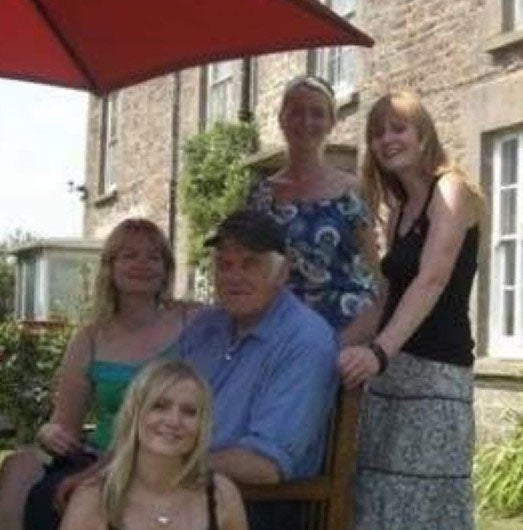
The daughters later went to court seeking to get the will overturned, arguing that their dad was not in his right mind and that their aunt Sheila along with Joan had tried to persuade their dad to disinherit them.
Now after a hearing at the High Court in Bristol, Judge Leslie Blohm KC has ruled in their favour, finding that Mr Gwilliam was suffering from "an insane delusion" probably caused by a stroke when the will was drawn up.
"Michael's medical records...indicate that he had suffered some defect in his brain, likely a stroke," said the judge.
"In the absence of a defect of the brain, it is difficult to explain such a complete volte-face towards his children.
"The cause of these delusions was late onset schizophrenia caused by organic disorder of the brain.
"I find that had Michael not been suffering from such insane delusions, he would have made no will at all, both because he wished to benefit all of his daughters equally and because he disliked the idea of making a will.
"I conclude that both Sheila and Joan intended to induce Michael to make a will that was less favourable to his children.
"I consider that it is likely that, but for the intervention of Sheila and Joan, Michael would not in fact have made a will at all.
"Michael's purported will is void for want of testamentary capacity."
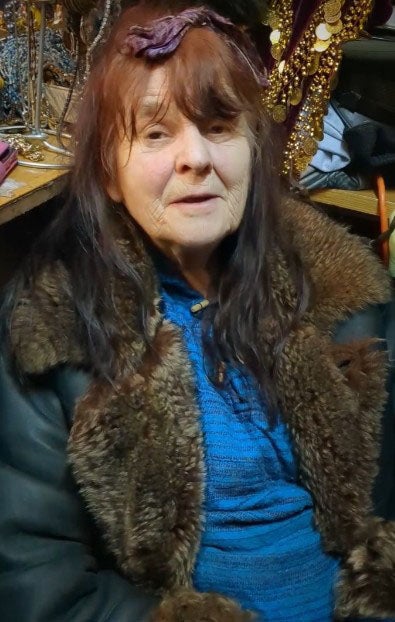
The court heard that until 2013 Mr Gwilliam’s relationship with his children was good, but after that point his mental health unravelled and he began harbouring suspicions about his daughters and some of his neighbours in the secluded Gloucestershire village of Awre, close to the banks of the River Severn.
When he was temporarily sectioned in February 2014 following concerns that he had produced an air rifle at home “to show that he could defend himself if necessary” and his apparent “persecutory and paranoid thoughts”, he accused his daughters of “locking him up for their own mercenary purposes”.
Joan had during this period told Mr Gwilliam that Helen, a senior nurse, was “evil”, the judge said, and that the daughters had wanted to sell his farm in the village “for their own gain”.
Sheila and Ms Brooks, however, denied that Michael was “at any time delusional” and claimed his will was valid, insisting he had solid grounds for his suspicions about his daughters.
The judge highlighted evidence from one witness who testified about Michael’s state of mind in the year he made his will and described him as having grown “shaking, frightened and timid”, complaining about a dead neighbour harassing him, his cars being vandalised and believing he was “under siege at home”.
For most of his life, Mr Gwilliam had enjoyed a “close and loving” relationship with his offspring, the court heard, and until 2014 he had consistently declined to make a will as he believed his four girls “would inherit anyway”, said the judge.
Judge Blohm found that both Sheila Gwilliam and Ms Brook had made a series of derogatory statements to Mr Gwilliam about his daughters, “intending to induce Michael to make a will that was less favourable to his daughters”.
Both were present when Mr Gwilliam’s will was drafted by solicitors, the judge noted, adding: “although I consider it likely that Sheila was the prime mover in causing Michael to make his will, it is evident that Joan was an associate in this regard”.
But the judge said that the women really believed that Mr Gwilliam “had a factual basis for the concerns that he had” about his daughters.
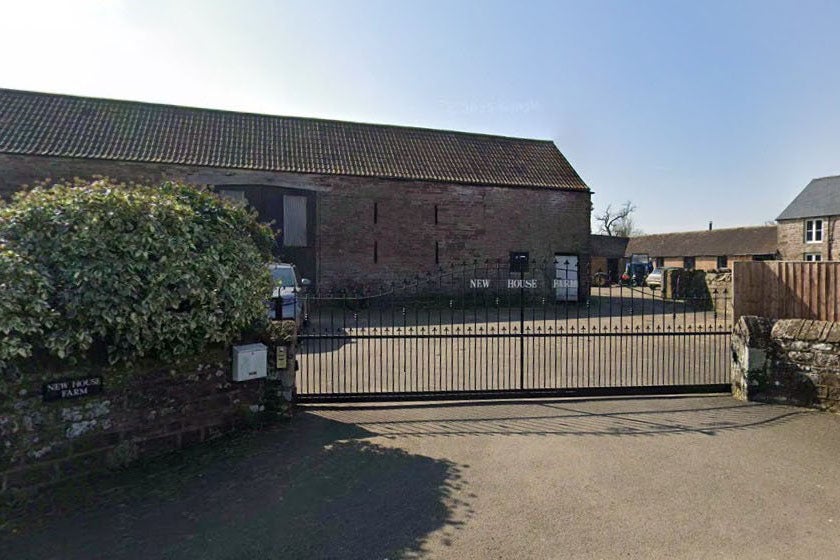
The two women claimed the sisters had "taken advantage of an opportunity to falsely present Michael to mental health professionals for the purpose of having him sectioned, so that they might obtain his property and control his life for their own avaricious financial advantage”.
Relations became so icy when Mr Gwilliam died that Sheila barred the daughters from attending their father’s funeral in Bath, near Sheila’s home, and the sisters instead held a memorial service for him locally.
The sisters alleged a case of “fraudulent calumny” against their aunt, focused on a series of knowingly false statements made by her, including claims that they had stolen items from their dad's home while he was locked up, that there was a plot against him to get him sectioned, and that Helen had her father locked up.
Sheila, who took Mr Gwilliam into her home in Bath after he could no longer cope on his own, admitted making those statements, but denied believing they were false.
Ms Brook was likewise accused of fraudulent calumny over a series of statements, including telling Mr Gwilliam that his daughter was evil.
The sisters’ barrister, Joss Knight, argued that Ms Brook “had sought to ostracise Michael from his daughters for the purpose of persuading him to execute a will”.
Judge Blohm found that Ms Brook had told Mr Gwilliam his daughters were “all bad news”, that she had told him Helen was evil, and that Helen “wanted all of his money”.
But although saying that Sheila particularly was motivated by a wish to thwart the four siblings from inheriting, he rejected the fraudulent calumny case against both her and Joan.
He did so on the basis that back in 2014 both women genuinely believed that the sisters were trying to have Mr Gwilliam sectioned “for their own financial gain”.
He concluded: “The statements were in my view made for the purpose of inducing Michael to make a will that disinherited his daughters.
“I have no doubt that Joan and in particular Sheila considered that the claimants did not deserve to inherit, and that part of the purpose of their making of these statements to Michael was to induce him to deal with his assets in a manner that prevented his children from benefiting from them.”
In his ruling, the judge found that Mr Gwilliam's daughters had not wanted him sectioned, but had considered it in his "best interests" that it happen and that he be "appropriately treated and assisted."
"Michael's daughters were acting in what they perceived to be Michael's best interests," he added. "That is the opposite of being evil, mercenary or bad news."
The judge's ruling that Mr Gwilliam died intestate – without a valid will – means that his four daughters as next of kin will inherit his wealth, which has been estimated by lawyers at up to £1 million.
Join our commenting forum
Join thought-provoking conversations, follow other Independent readers and see their replies
Comments
Bookmark popover
Removed from bookmarks