‘My ketamine addiction got me locked up in Japan – it isn’t the innocent party drug people think it is’
Izabel Rose said her five-month detention abroad was ‘traumatic’ but helped her overcome a dangerous ketamine addiction. She told Nicole Wootton-Cane she doesn’t want others to make the same mistakes she did
In the early hours of April 12 last year, nine Japanese police officers quietly gathered outside a hotel room in Osaka. Inside and oblivious, 26-year-old Briton Izabel Rose was suffering the effects of a nasty hangover following a night out. Eventually, in need of the communal bathroom, Ms Rose opened the door – and the officers descended.
Days prior, Ms Rose had messaged a friend in the UK asking them to send her the class B drug ketamine. She had left London at the start of the month in the depths of her addiction to the drug, and hoped her travels would be an opportunity for her to get away from her usual environment.
But almost as soon as she arrived, she found herself trying to source the illegal substance. Eventually, unable to find it elsewhere, she paid the friend £150 for 7g (0.25oz) of ketamine, which was sent to her in the post, concealed inside a birthday card. But the package was intercepted at the border, and shortly after, Ms Rose was arrested in her hotel room.
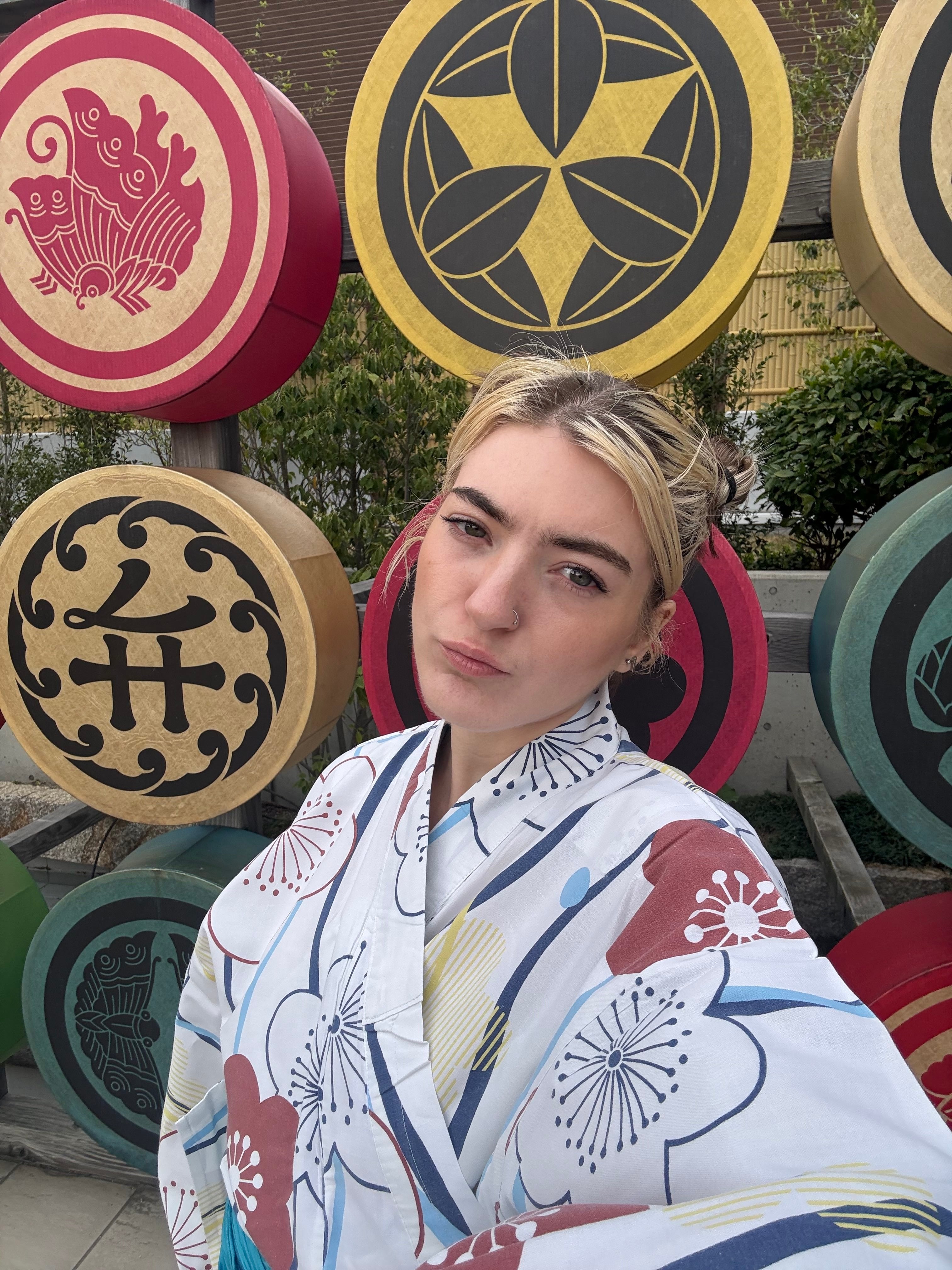
It was the start of what would become a five-month stint in a Japanese detention centre after she admitted to the importation of drugs.
Speaking to The Independent, she said the experience is “the most traumatic thing that ever happened to me”, but she is sharing her story in hopes of raising awareness of what she called a “crisis” of ketamine addiction.
‘A slippery slope’
Ms Rose first remembers being introduced to ketamine at university. She said she didn’t actually enjoy the drug the first time she took it, as it made her unwell, but it quickly became a frequent part of her life after moving in with a friend who was a “regular” user.
She said she went from using the drug occasionally as part of the London rave scene to daily within a matter of months, describing how, eventually, the housemates would often take ketamine while watching a film on weekday evenings.
“That turned into me buying my own, and then that turned into me using on my own,” she said.
“My usage went from partying to daily very quickly, and it was a very slippery slope.”
Her body also began to suffer the consequences of her ketamine use. She began to get abdominal cramps known as “K cramps”, which even drove her to visit A&E.
She had begun to recognise she was going down a “dark path” but said she was “in denial” over her addiction.
“I wanted to stop, and I couldn't stop,” she said.
In April 2025, she decided to take a trip to Japan – somewhere she had always wanted to travel – in the hope that time away from London would also help her get away from the temptation of taking the drug.
‘My intention was never to import’
But before she had even passed through customs in Japan, Ms Rose said she was on her phone trying to source drugs.
“Addiction doesn't understand geography, and the voice in my head took over, and within half an hour of landing,” she confessed.
She messaged a friend who she believed may be able to find her a dealer on the ground, saying her “intention was never to import”. Instead, the friend suggested they mail her the ketamine in the post.
“Right there and then, I decided to send them the money,” she said. “The next day, they had gone to the post office and put the ketamine in a birthday card and sent it to me in the post.”
A week later, Ms Rose was arrested at her hotel in Osaka.
‘My life flashed in front of my eyes’
Ms Rose said she initially “naively” believed she might be able to talk her way out of trouble.

Despite Japan’s strict drug laws, she had also purchased marijuana while in the country and decided to hand this over to investigators in the hopes it would placate them.
“They very quickly said, well, that's not why we're here – my stomach dropped and my life flashed before my eyes.”
Over the next few days, she was questioned by investigators, who had seized her phone. After meeting with a lawyer, she decided to admit to importing ketamine into the country.
Ms Rose was then taken to Osaka Detention Centre, where she stayed for five months.
‘It’s the most traumatic thing that ever happened to me’
She described the first two months of her detention as the hardest as she grappled with withdrawing from ketamine alongside coming to terms with her situation.
“There were moments where I was crying and so emotional,” she said. “Ketamine numbs your feelings so much that when you come off it, they all come rushing back.”
She added that the experience was “very lonely and isolated”, with most of her days spent alone with her thoughts.
But despite these challenges, Ms Rose said she was able to use the experience to form a routine of exercise, meditation, reading about addiction, and journaling.
“At first it was hard, it was a shock to the system, but having no phone and just time to reflect and journal really was beneficial for me,” she said.
After five isolated months spent almost exclusively in her small cell, Ms Rose was given a suspended sentence, meaning she could go free but would be locked up again if she committed any offence in Japan.
‘This is a crisis’

Ms Rose is now back in the UK and in recovery.
She is bravely sharing her story on TikTok on her account to raise awareness of the dangers of ketamine addiction.
“I think there's such a stigma on what an addict looks like, but they are just normal people,” she said. “Ketamine addiction is a real crisis and we need to look at helping people in the best way possible.”
Recent government data published in December 2025 found the number of children aged 17 and under reporting problems with ketamine had doubled between 2021 and 2024. For under 17s in treatment, ketamine is the fourth most-used drug after cannabis, alcohol and nicotine.
Grace Willsher, head of young people’s services in the north at drug and alcohol support charity WithYou, said the number of young people being supported for ketamine use across its services has more than doubled in the past five years.
She told The Independent the charity is “concerned that the risks associated with ketamine aren’t well understood”, adding its easy availability and low cost mean many see it as a “party drug” and an alternative to alcohol.
But she warned that in a “very short period of time”, ketamine can cause “permanent damage” to the body.
“This includes really horrible effects like bladder problems, changes in mental health, and memory, and damage to your nose, liver and kidneys,” she said.
WithYou aims to encourage young people to seek early advice and support around drug and alcohol use, helping to prevent harm before problems escalate.
Ms Willsher encouraged anyone worried about themselves or someone they know to reach out for support.
If you’re worried about yourself or someone you know - whether that’s a family member, a friend, a child, a work colleague, or a student - contact WithYou for support.
Services are free and non-judgemental, and the website webchat - staffed by trained recovery workers, not AI -is available at wearewithyou.org.uk 9am-9pm on weekdays and 10am-4pm on the weekend.
Join our commenting forum
Join thought-provoking conversations, follow other Independent readers and see their replies
Comments
Bookmark popover
Removed from bookmarks