Bachelor’s £2.7m fortune sparks High Court DNA battle over heirs
McDonald Noel died in 2018, leaving a substantial fortune unclaimed
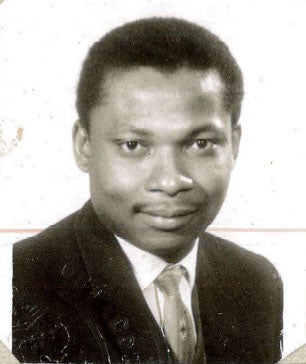
The £2m-plus fortune of a bachelor multimillionaire has become the subject of a High Court dispute, involving heir hunters, DNA testing, and an inquiry into his father's "romantic life".
McDonald Noel, who emigrated from Trinidad to London in 1960, died a wealthy man in 2018 at 84.
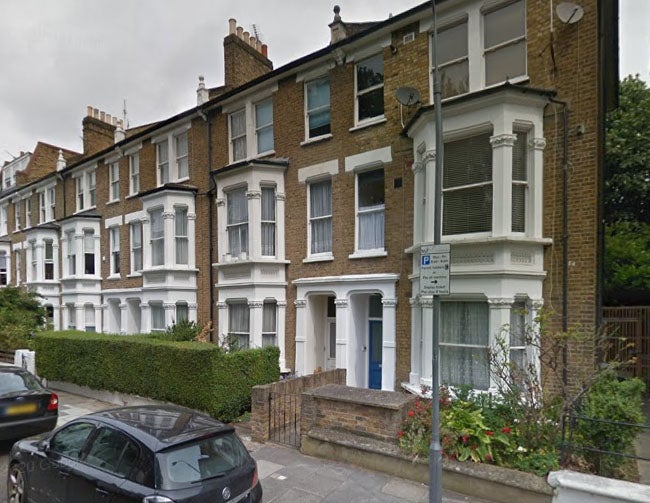
He left behind a gross estate valued at £2.7m, including a £1.5m Kensington home.
With no children, no spouse and no will, his millions were destined for government coffers until heir hunters intervened.
They located potential relatives across the UK and Caribbean, but a bitter disagreement has since erupted over who among them is a genuine blood relative of the deceased.
Now, armed with the results of DNA tests, a High Court judge is being asked to carry out a rare legal "kin enquiry" and rule on who should inherit.
The judge, Master Katherine McQuail, heard that McDonald Noel – a shopkeeper and property tycoon – died in London in April 2018 intestate.
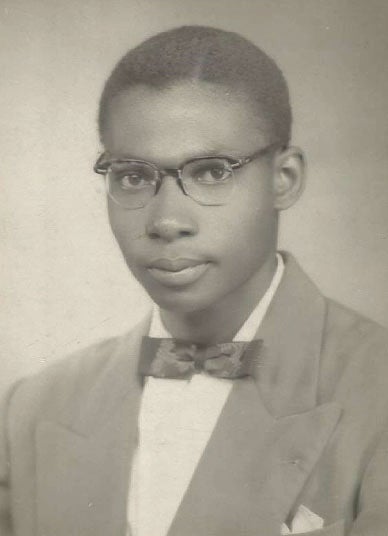
The potential size of his estate attracted the interest of heir hunters, who delved into Mr Noel's family tree in the UK and the Caribbean, looking for his nearest living relatives, but found a tangled genealogical web.
Mr Noel had been born in 1934 in Trinidad to dad Stanley Dorant and mum Neutrice Dorant, with Neutrice already having had one other child, Stella born the previous year.
Stanley, originally from Barbados, then went on to father another son, Francis, with Barbadian Clementina Forde whom he married in 1939, after she joined him in Trinidad following the death of Neutrice in 1938.
Clementina already had two sons, Clyde and St Clair, when she moved and married Stanley, and their descendants are now claiming that Stanley was their father too, having sired them during visits to Barbados or before he left.
Francis's son Shaka is now laying claim to a share of the millions, as is Stella's son Gerard Burton, who says he should potentially get the lot, should the court be satisfied that his mum Stella was also Stanley's child, making her McDonald's full sister rather than half-sister.
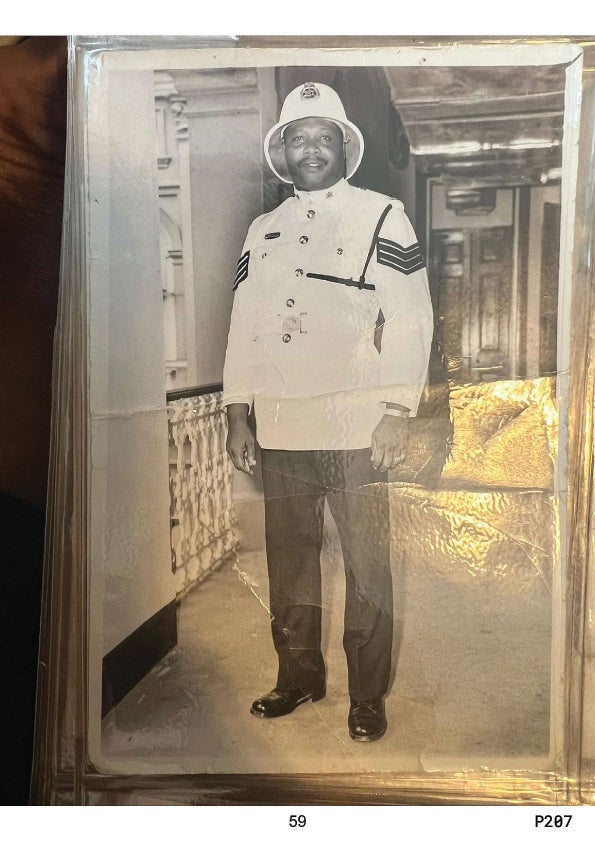
But St Clair's children, represented by his daughter Desiree Dorant, and Clyde's grandchildren, represented by his grandson Tyler Dorant, are insisting that they too are descended from Stanley and should share McDonald's wealth.
Daniel Burton, for Desiree and her siblings, told the judge: "It is the romantic life of McDonald's father Stanley which is central to the genealogical questions which arise in this case."
Stanley was born in Barbados in 1906 and died in Trinidad in 1968.
The documentary records show that he travelled between Trinidad and Barbados and fathered children on each island.
"The questions before this court in this trial are how many children Stanley fathered, with whom, and who they were."
It was a firm of heir hunters, Hoopers, who started to identify possible beneficiaries of McDonald's estate.
"The outcome will determine whether Gerard is the sole beneficiary of McDonald's estate or whether other branches of the family - those of Shaka, Desiree and Tyler - take as beneficiaries under the rules of intestacy alongside Gerard."
He told the judge that documentary evidence suggested Stanley and Clementina were from the same area and knew each other before he left Barbados for Trinidad.
"The court is invited to conclude that Clementina's initial liaison with Stanley in Barbados resulted in the birth of Clyde," he said, adding that a historical ship manifest showed Stanley had visited Barbados seven months before the birth of St Clair.
"There is compelling evidence that Stanley was St Clair's father. This is documentary evidence, witness evidence and DNA evidence," he added, claiming that together that evidence "refutes Shaka's insinuation that (Clementina) would have had two children with a different partner or partners, then immediately marry Stanley, thereby passing off the children as his."
He told the judge: "Put simply, Clementina was not that kind of person and strove to be a good role model for her children. She had one relationship and married that man, Stanley, after bearing his first two children."
“There is no other credible hypothesis that St Clair's father is anyone other than Stanley."
“The court is invited to make findings of fact or direct that McDonald's estate be distributed on the basis that Stanley fathered McDonald, Clyde, St Clair and Francis," he concluded.
Aidan Briggs, for Francis' son Shaka, urged the judge to take a different view.
“There are only two children on whose birth certificate Stanley Dorant is named as the father; McDonald and Francis," he said.
"Although it is possible that Stanley fathered other children, the evidence which has been produced is equally consistent with him being treated as ‘father’ after his marriage to Clementina, or being ‘claimed’ as father by Stella.
"He said the judge should be wary of accepting evidence about the beliefs of Clyde and St Clair as to their parentage from their descendants, saying: "A child self-evidently has no knowledge about their own conception".
He told the judge that even if Stanley had acted as a father to all of the children, it shouldn't be assumed they were his.
He said Stanley had lived in a society in which relationships outside of marriage were common and there was a trend for "mothers attributing paternity to men particularly for financial reasons - what is referred to in the British Caribbean as 'giving a man a jacket'."
"It's important not to apply middle-class English norms to a Caribbean setting," he said.
“The court shouldn't be drawn into the trap of assuming that a person would act in a particular way because in the same period there would be a stigma attached to a child out of wedlock in England."
He added: "The DNA evidence supports Stella and Francis’ claims, and should encourage the court against the claims of Clyde and St Clair.
"The court must be satisfied on the balance of probabilities that Stanley had any other children. The claimant’s (Shaka's) submission is that the court cannot be so satisfied on the evidence presented."
The judge will give her ruling on the case at a later date.
Join our commenting forum
Join thought-provoking conversations, follow other Independent readers and see their replies
Comments
Bookmark popover
Removed from bookmarks