‘I own nine monkeys – new laws could mean they’ll be killed’
Primate owners now have to prove they can house them to ‘zoo-level standards’
A monkey owner says she and others like her fear their animals could be seized and killed under new government rules set to take effect on 6 April.
Lisa-Marie Bearman keeps nine marmosets at the home she shares in Rochester with partner Matt French.
The new laws require owners to obtain a licence, demonstrating they can house their primates to “zoo-level standards”. Failure to meet these criteria could result in confiscation.
The government, estimating up to 5,000 pet primates nationwide, says that the measures aim to improve animal welfare.
But Ms Bearman, a clinical hypnotherapist, said that while she welcomes the new licences, some of the new criteria put monkeys at risk.
She said that there are no places at zoos and rescue centres to accommodate seized monkeys and so they could be euthanised.
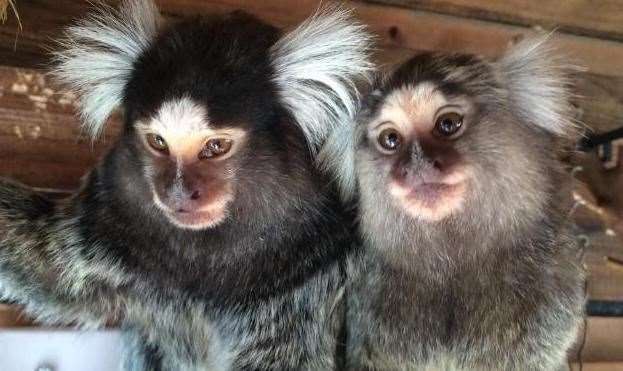
The couple, who have been together for 15 years, have owned marmosets since 2014 and run Marmosetdiets – an online feed shop for primates, reptiles, birds and exotic animals.
They also design and build animal enclosures for the business.
Ms Bearman backed the RSPCA’s call for licences in 2021.
Now, with the law just weeks away from implementation, she says there are “many” people contacting them, “worried” that they will not be able to get a licence.
“Some of the new criteria is not doable for private keepers, who are doing all they can to give their pets a good life,” she said.
“In particular, increasing the size of the enclosure. Even some zoos don’t have the right size of enclosure for them.
“Matt and I try to give our monkeys a model habitat, but under the new laws, we would lose them.”

Ms Bearman said that owners see their monkeys as part of the family, and are deeply worried about them being taken.
“It will be distressing for both the owners and the monkeys as well.
“There is no room for monkeys because centres are full. So they could be euthanised if there’s nowhere for them to go.
"I am hoping that when the inspections take place, the care the monkeys do receive is taken into account.
“I am telling people not to worry too much.”
However, international wildlife charity Born Free says the new legislation does not go far enough and is calling for a complete ban on keeping monkeys as pets.
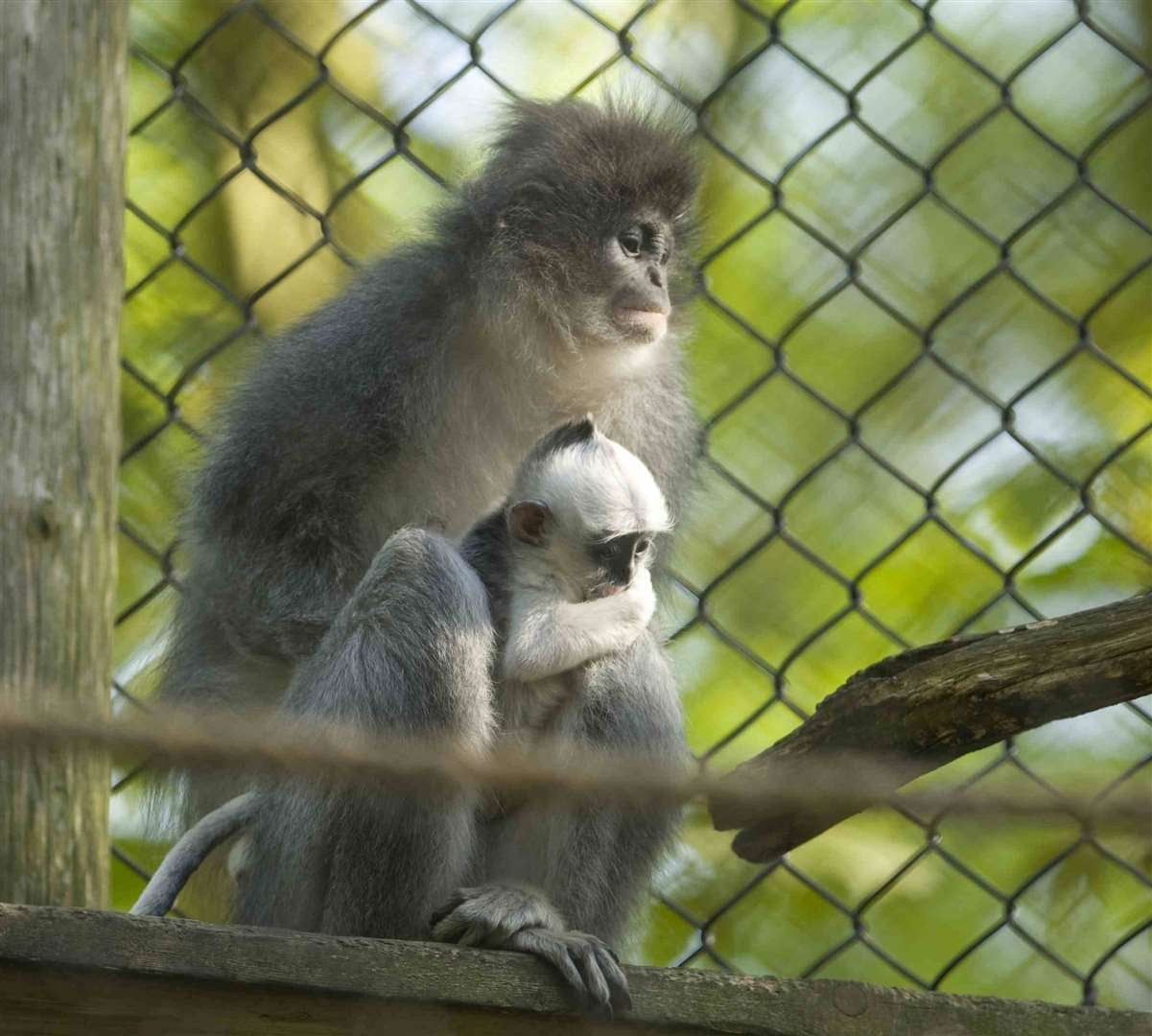
Just three applications for the new licences have been made over a year across the country, it said, according to 294 Freedom of Information requests it had submitted to local authorities.
The charity added that this means “many hundreds of animals” will remain in potentially unsuitable or harmful conditions.
“Primates are complex, intelligent animals whose needs cannot be met when kept as a pet,” Chris Lewis, Born Free’s captivity research and policy manager, said.
“Although not the complete ban which experts and primatologists advocated for, the introduction of the regulations represented an important step towards protecting privately kept primates, but their success depends on effective implementation and strict enforcement.
“We urge local authorities and the government to ensure primate keepers and the wider public are made aware of the regulations and that their associated protections are implemented robustly so that every primate in England receives the high standard of care they deserve.”
Animal Welfare Minister Lord Douglas-Miller said: “We are proud to have some of the highest animal welfare standards in the world, including these new restrictions which will help tackle the inadequate conditions that some of these inquisitive creatures are kept in.
“Anyone who fails to provide the same welfare standards as found in a zoo faces a fine and having the primate removed from their care.”
Join our commenting forum
Join thought-provoking conversations, follow other Independent readers and see their replies
Comments
Bookmark popover
Removed from bookmarks