Secrets of royal sculpture uncovered 160 years on
The sculpture has been displayed at Windsor Castle since 1864
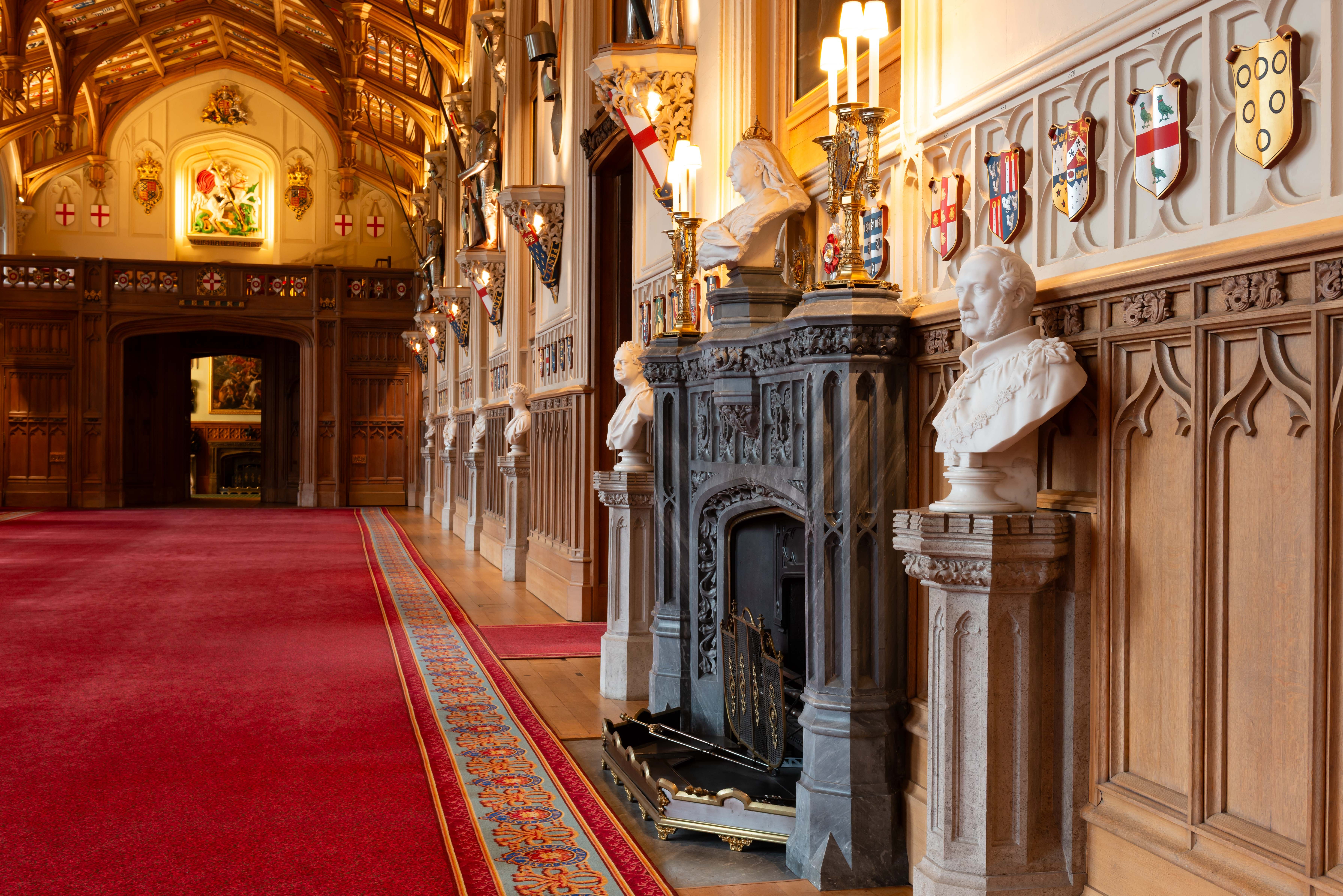
A sculpture of Prince Albert, displayed at Windsor Castle for 160 years, has been revealed as the work of his daughter, Princess Victoria.
She crafted the posthumous bust with her tutor, Hugo Hagen, having taken sculpting lessons like her sisters, revealed during research for European sculpture">Sculpture in the Collection of His Majesty The King, a catalogue published Tuesday by Modern Art Press in association with Royal Collection Trust.
From Berlin, Princess Victoria wrote to her mother Queen Victoria: "It is a work which completely engrosses me… I feel very nervous… I hope you will like it. How I wish you were here to give advice!"
The Queen’s reply came days later: "I like it extremely", adding only that the nose was a touch too thick.
The princess gave the sculpture to Queen Victoria for Christmas in 1864.
The bust of Prince Albert has been on display in St George’s Hall at Windsor Castle for more than 100 years, now seen by over a million visitors each year.
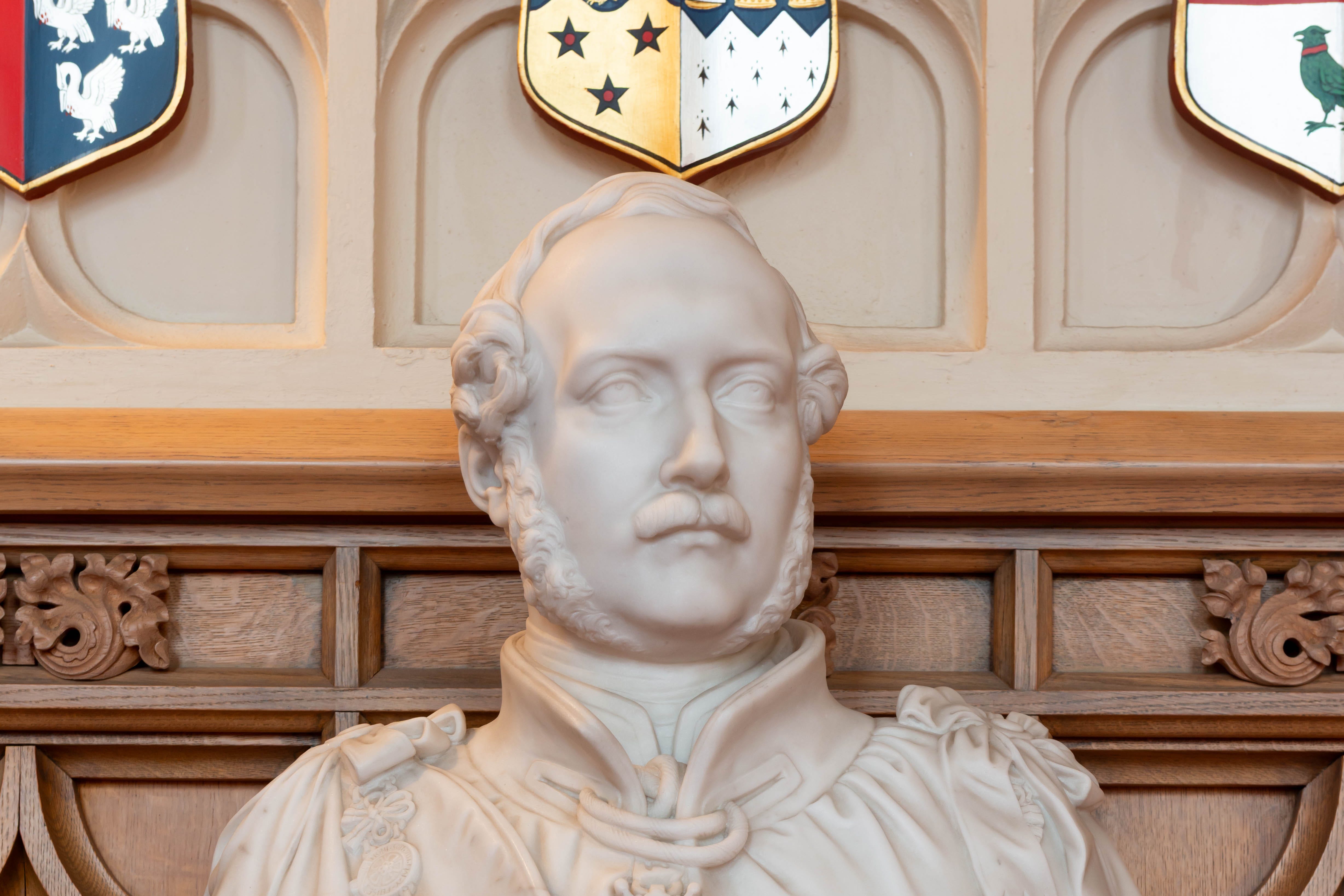
It was long believed to be the work of the sculptor Robert William Sievier. During research, the catalogue’s author Jonathan Marsden, former director of the Royal Collection, determined that the bust could not be Sievier’s, which was known to depict Albert at the age of 23.
By examining archival correspondence between the Queen and her daughter, he identified the sculpture as the lost bust created by Princess Victoria to commemorate her father.
The discovery is among a number of revelations and new research published for the first time in the catalogue.
The catalogue covers all work in the Royal Collection by sculptors active in Europe, across all materials, from the late 15th to late 20th centuries.
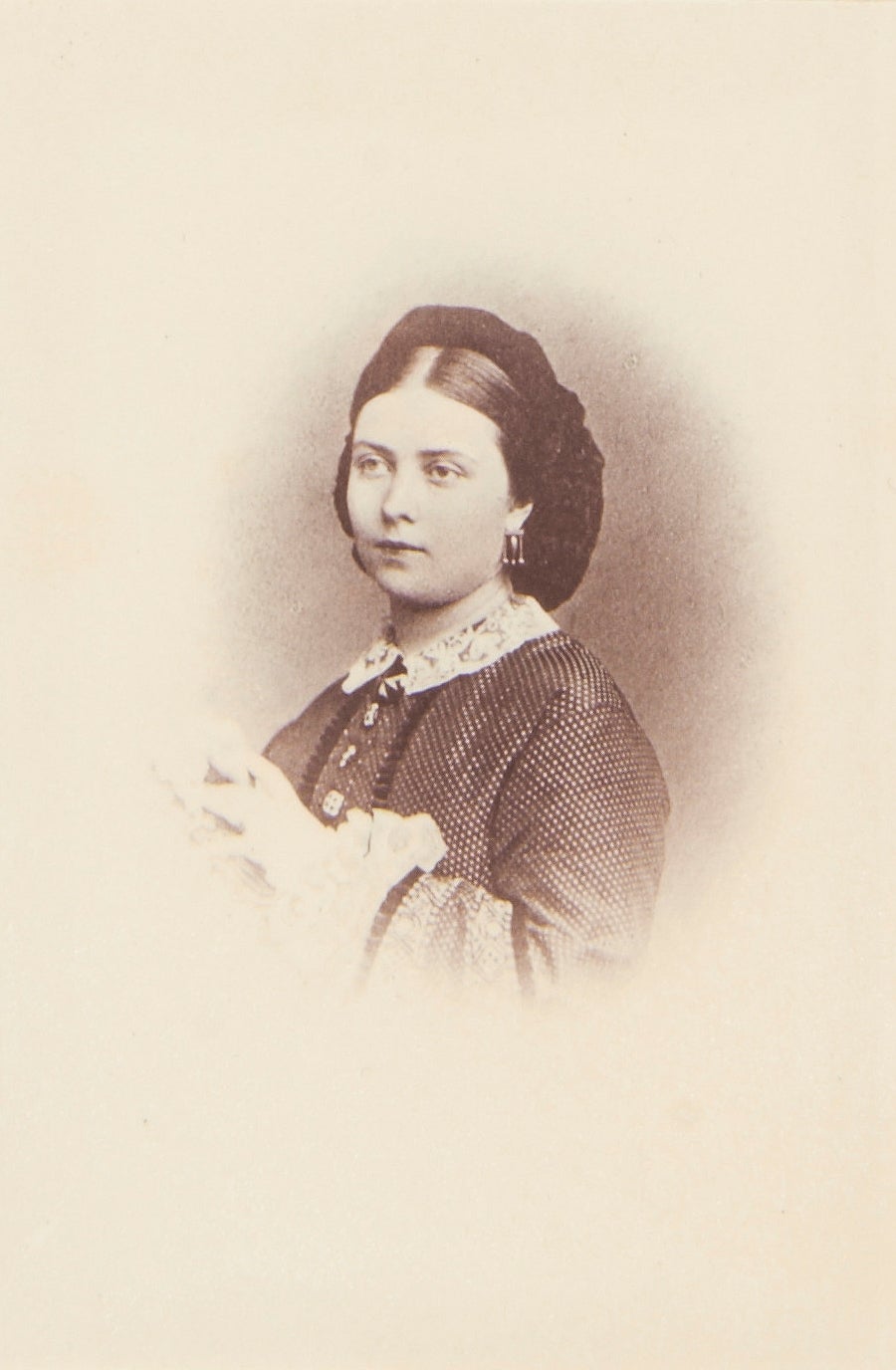
Jonathan Marsden, author and former director of the Royal Collection, said: “The publication of the catalogue raisonne marks the completion of one of the largest cataloguing projects undertaken by Royal Collection Trust, recording almost 2,000 works of art and bringing this part of the Royal Collection into the light.
“Sculpture can easily fade into the background, yet closer examination can reveal works of art of quality and significance with their own stories to tell.
“By sharing our discoveries, both through the catalogue and online, we hope visitors to the palaces will have a renewed appreciation of these beautiful works of art and pieces of history.
“For researchers and specialists, the catalogue represents an important new body of evidence, the foundation for future scholarship.”
Bookmark popover
Removed from bookmarks