Scientists invent ‘superfood’ they hope will save honeybees and boost global food security
Yeast strain offers complete diet that beekeepers cannot give without flower pollen, say Oxford experts
Scientists have devised a food supplement for bees that they say will have a wide-reaching effect on global food security.
The experts say the yeast strain will help honeybees live longer as intensive farming and the climate crisis rob the insects of flowers and pollen.
It is hoped the breakthrough will stem the decline in populations of wild bees, which are important pollinators. They help contribute to the production of at least 70 per cent of major global crops such as almonds, apples and cherries.
But severe declines – caused by nutrient deficiencies, climate change, mite infestations, viral diseases and pesticides – pose a significant threat to food security and biodiversity.
The scientists in Oxford genetically engineered a strain of yeast called Yarrowia lipolytica to produce vital nutrients called sterols that are absent in the artificial pollen substitutes that beekeepers use.
Commercial supplements, made of protein flour, sugars and oils, lack the right sterol compounds.

After a three-month trial, the scientists found the colonies fed with the sterol-enriched yeast had reared up to 15 times more larvae to the viable pupal stage, compared with colonies fed controlled diets, and reared brood for significantly longer.
“The use of this method to incorporate sterol supplements into pollen substitutes will enable honeybee colonies to produce brood in the absence of floral pollen,” they wrote in the journal Nature.
“Optimised diets created using this yeast strain could also reduce competition between bee species for access to natural floral resources and stem the decline in wild bee populations.”
The yeast diet provides honeybees with all the nutrients, in six sterols, that they need to survive, the researchers concluded.
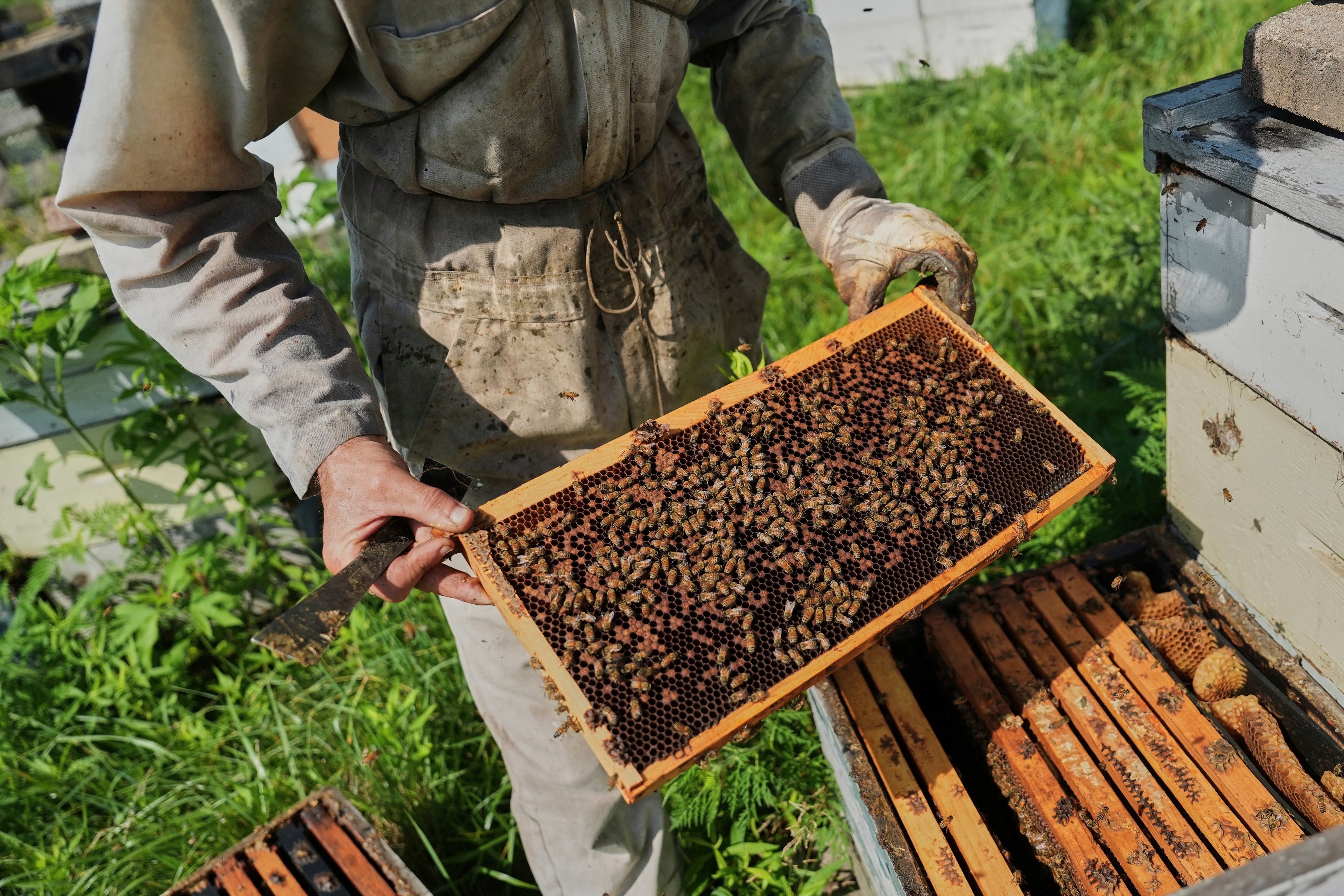
Lead author Elynor Moore said: “For bees, the difference between the sterol-enriched diet and conventional bee feeds would be comparable to the difference for humans between eating balanced, nutritionally complete meals and eating meals missing essential nutrients like essential fatty acids.
“Using precision fermentation, we are now able to provide bees with a tailor-made feed that is nutritionally complete at the molecular level.”
Sterols are hard to reproduce, so the experts who spent 15 years developing them said the success of the trials was a huge accomplishment.
They say further large-scale field trials are needed to assess long-term effects on colony health and pollination efficacy, but that potentially the supplement could be available to farmers within two years.
Join our commenting forum
Join thought-provoking conversations, follow other Independent readers and see their replies
Comments
Bookmark popover
Removed from bookmarks