Founder of £20m Sherlock Holmes Museum in latest ‘cataclysmic’ family court fight
The dispute in its various incarnations has appeared in the High Court more than 100 times
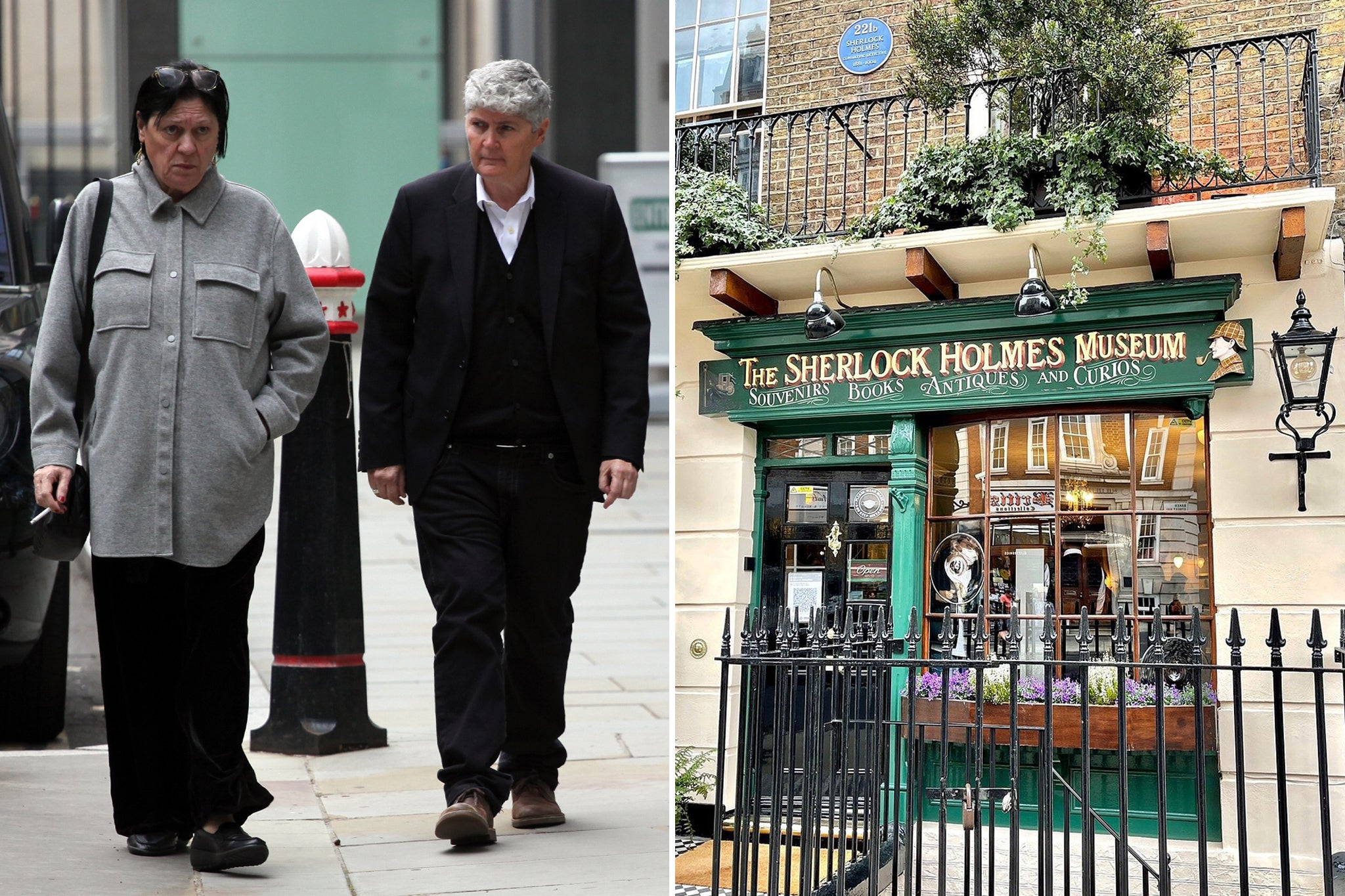
The founder of London's Sherlock Holmes museum is locked in a "cataclysmic" court fight over claims he gave the £20m business to his wife to dodge paying debts to his sister.
John Aidiniantz, the businessman behind the Baker Street museum, has been fighting a "cataclysmic" battle with his family, including sister Linda Riley, for more than 13 years in a row sparked over ownership of the "goldmine" tourist attraction.
The dispute - which in its various incarnations has appeared in the High Court more than 100 times and racked up at least a dozen judgments - has also raged over family-owned properties and the care of their mum.
Now in a new offshoot of the mammoth litigation, Mr Aidiniantz has been accused of giving away the business - which he says is worth £20m - to his wife to deliberately thwart his sister's bid to get him to pay a debt of almost £500,000 she says he owes her.
However, Mr Aidiniantz - who has described the family court fight as "cataclysmic" - disputes that he owes so much and denies that gifts of company shares to his wife, Andrea von Ehrenstein, were motivated by a desire to thwart court claims against him.
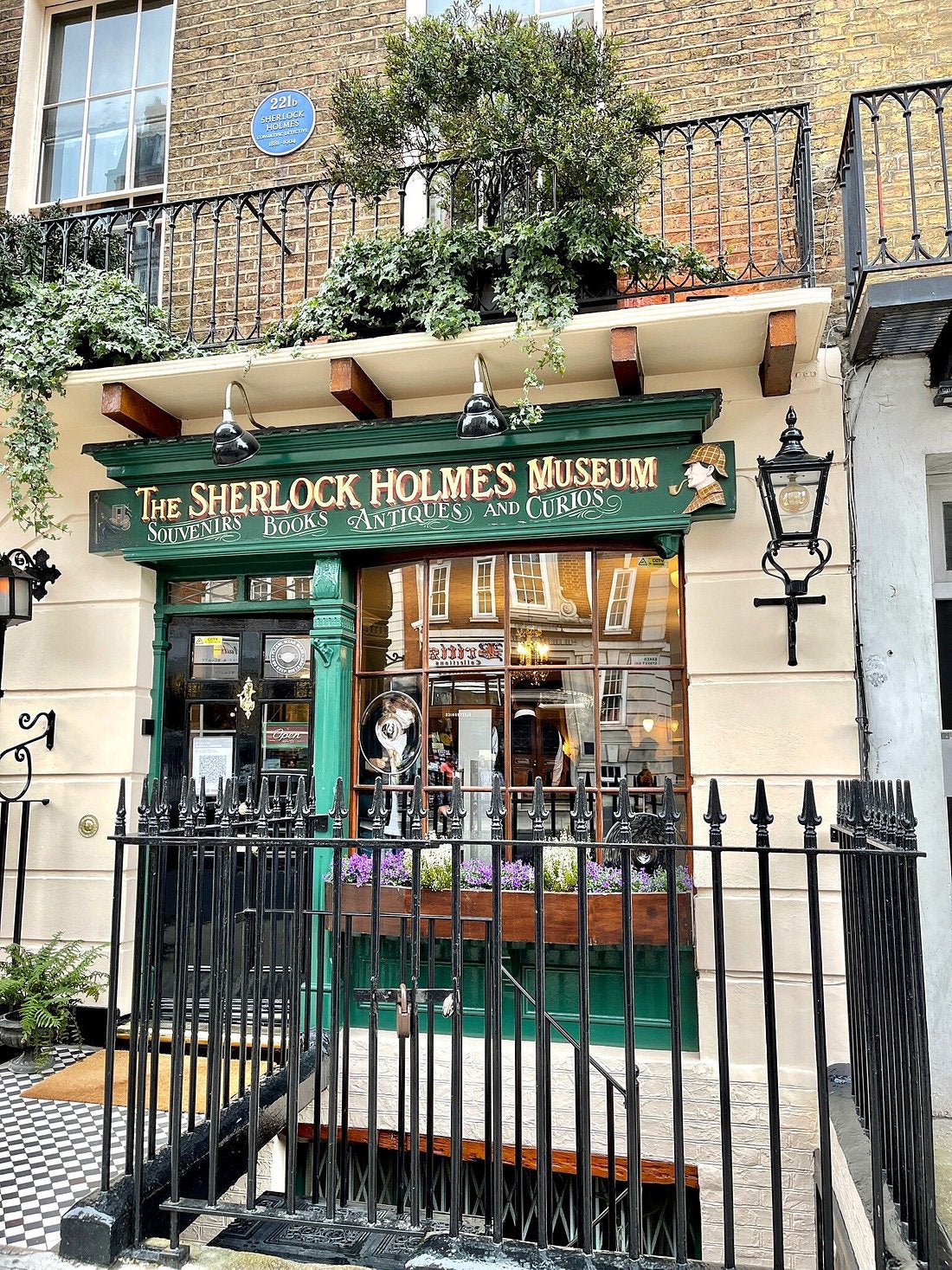
The Sherlock Holmes Museum was set up in Baker Street, close to Marylebone Station, in 1989, with Mr Aidiniantz, 69, claiming it as his brainchild.
It proved highly successful, with the court being told by lawyers during one hearing in 2022 that it is "a goldmine," taking a fortune in ticket sales.
But the family was torn apart in 2012 when the relationship between Mr Aidiniantz, his mum and siblings collapsed, resulting in a deluge of legal strife, with the family arguing over £1.8m worth of takings from the museum, ownership and occupancy of various properties and the care of their elderly mum.

The fight has variously been described by judges who have dealt with it as "poisonous," "lamentable" and "sad" - with "bitterness and contempt" between various members of the family.
The initial row over the museum's ownership was settled in 2013, with Mr Aidiniantz accepted to be the sole owner of the museum shares, with his sisters Mrs Riley and Jenny Decoteau getting £1m each.
But they have since returned to court on dozens of occasions in further disputes following the family falling out.
In his judgment last week, Master Bowles said both Mr Aidiniantz and Ms Riley have had "successes and failures" during the prolonged litigation.
"Although...each had the benefit of costs orders in their favour, the net result, as advanced by Ms Riley, is that Mr Aidiniantz owes Ms Riley £493,828.21 in costs, together with interest on that amount and that monies, in their entirety, have been owed since January 2023 and remain entirely unpaid," he said.
"While that figure is not agreed, or acknowledged by Mr Aidiniantz, it appears to be accepted that, at the least, there are unpaid costs totalling £300,625.24."
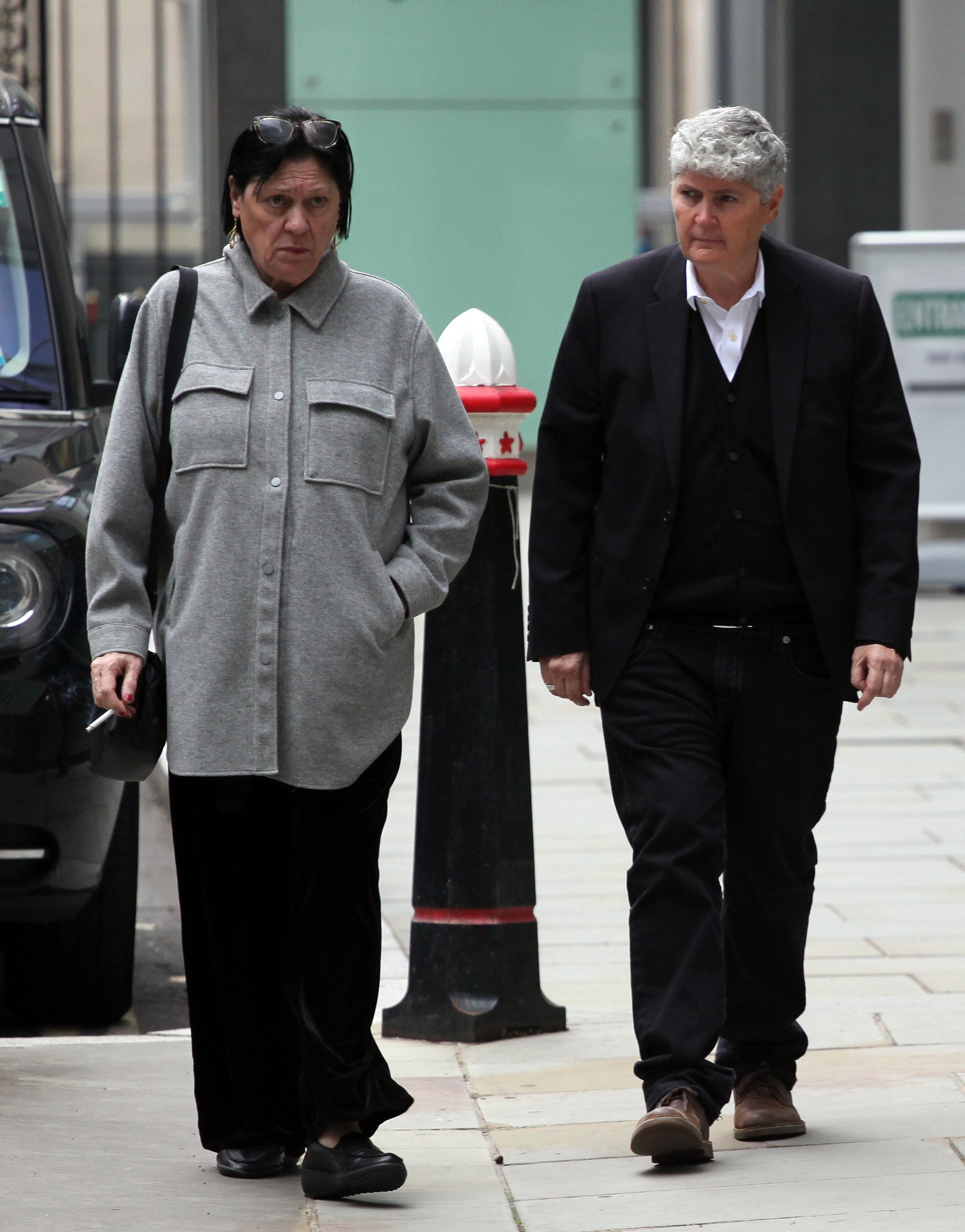
He said the case was brought back to court after Ms Riley sued her brother again, claiming that his decision to transfer the museum to his wife was an attempt to dodge paying his bills.
"It is Ms Riley’s claim that the transfer and subsequent re-transfer of the Rollerteam shares to Ms von Ehrenstein...were transactions at an undervalue and were undertaken by Mr Aidiniantz for the purpose of putting his shares in Rollerteam out of the reach of Ms Riley, or such other persons as might be making, or might at some time be making, a claim against him," said the judge.
However, Mr Aidiniantz tried to have the claim thrown out before getting to trial, arguing that it had been brought too late after the transfers were made.
He also insisted that in transferring all his shares to his wife in 2014 then, after half were transferred back, again handing them to her in 2016 he had been acting legitimately.
The transfers were because he had just got married, he claimed, and was planning to retire and wanted the business left in safe hands.
"The purpose of the gift was, as he put it, ‘for posterity’, to allow the Sherlock Holmes Museum to continue after his death and, at age 58, to allow him to retire, knowing...that the museum would be in the safe hands of his wife and his step-daughter, Laura, and in the expectation...that his wife would, as she had allegedly promised, place the shares in trust for their son," said the judge.
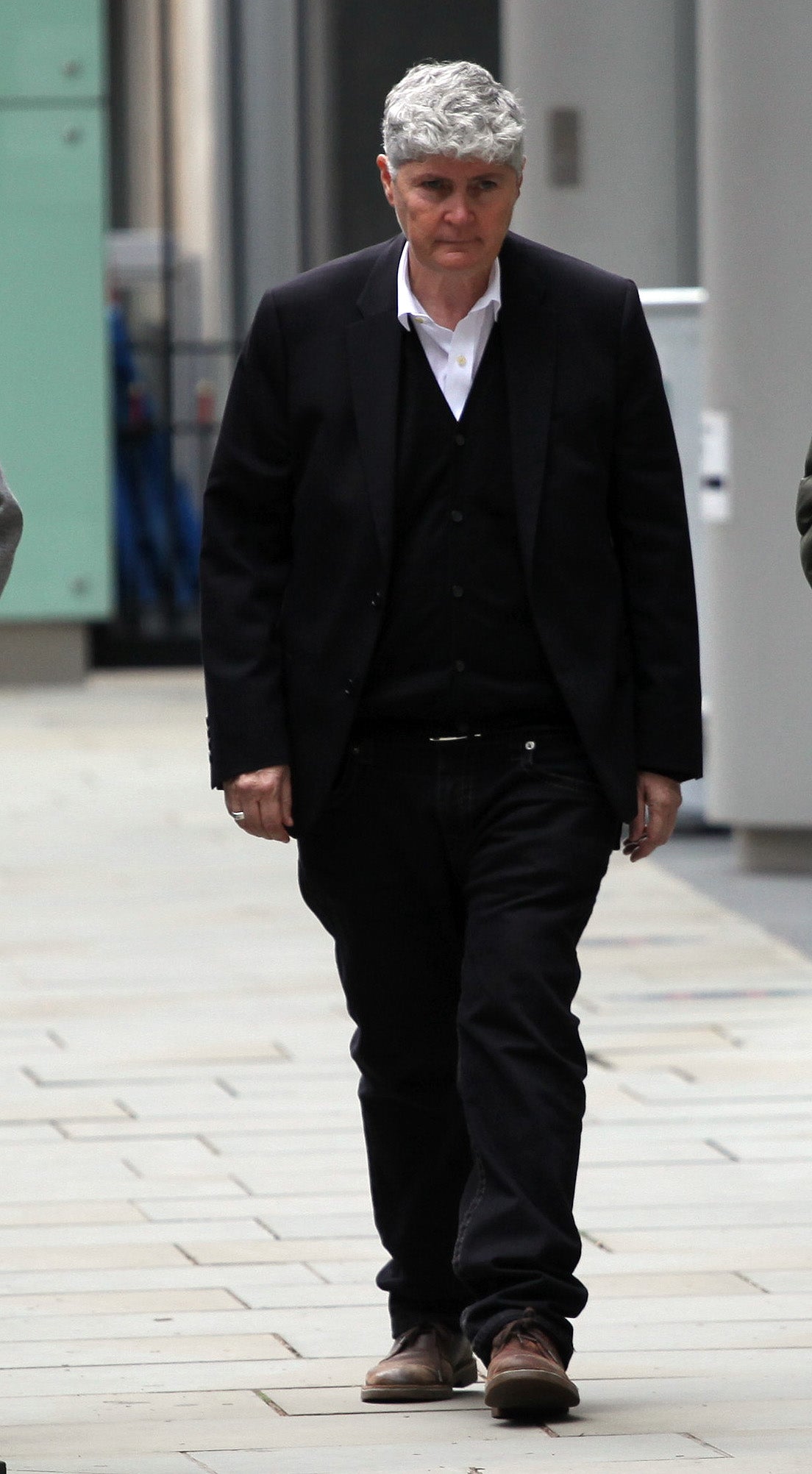
But for Ms Riley, barrister Mark James insisted that she has a good case to argue that the shares were not transferred for that reason, but to thwart claims against him.
Alternatively, the shares were transferred, but only on paper, with Mr Aidiniantz remaining the beneficial owner of them, he argued.
The judge said: "Mr James’ overall submission is that, given that it is Mr Aidiniantz’s own proud assertion that it was he who, via Rollerteam, developed the Sherlock Holmes museum into a hugely successful business, it is highly unlikely that he should have given it all away, even to his wife, and left himself to live entirely on her benevolence.
"It is much more likely that, in reality and despite the share transfers, he continues to control Rollerteam as the beneficial owner of its shares.
"Additionally, Mr James points to the fact that, in March 2017...Mr Aidiniantz and Ms von Ahrenstein moved out of the jurisdiction, to Germany, where they now permanently reside, and did so notwithstanding that they had only recently renewed their tenancy of a four bedroomed family home in Highgate.
"He submits that the move to Germany was part of a broad pattern of behaviour, of which the share transfers were a part, whereby Mr Aidiniantz sought to make himself ‘judgment proof’, or, at the least to place serious difficulties in respect of the enforcement of any judgment."
However, Mr Aidiniantz pointed to the fact that he had made payments of sums he owed since moving to Germany as evidence that that move and the share transfers were nothing to do with making himself "judgment proof."
Rejecting Mr Aidiniantz's bid to throw out his sister's claims about the shares, the judge said: "While I do not regard Ms Riley’s claims as being of the strongest, I do not regard them as unrealistic, or fanciful, such as to entitle Mr Aidiniantz to summary judgment.
"Although, at trial, the burden will be upon Ms Riley to make out her case, at this stage the burden is upon Mr Aidiniantz to persuade the court that those claims have no realistic, or serious, prospect of success. Mr Aidiniantz has not met that burden."
He added: "There is, I think, force in Mr James’ point that it is unlikely that Mr Aidiniantz, having built up Rollerteam’s business should, in truth, divest himself of any interest, or share, in that business, such as, now, to be entirely reliant, in leading his life, upon the goodwill of his wife."
However, he said it would be for a judge at a full trial to decide what Mr Aidiniantz's true intention was in transferring the company to his wife.
He concluded: "I am not seeking in any way to second guess the potential result of the necessary investigation of Mr Aidiniantz’s intentions in respect of the transfers and the beneficial ownership of the Rollerteam shares, which will take place at trial."
The case will return to court for a full trial at a later date.
Bookmark popover
Removed from bookmarks