Long hot summer has made our booze stronger, say Britain’s cider makers
After record-high temperatures, sweeter fruit was harvested in the orchards and vineyards during summer
For orchards and vineyards across the UK, the record-hot summer has impacted their alcohol products, which could hit the shelves a little stronger next year.
The long, hot and dry summer period has meant that fruit like apples, grapes and berries were much sweeter when harvested.
As a result, drinks like cider and wine will have a higher alcohol content when first made.
Susan Vaughan, the director of Celtic Marches, which makes cider on a family farm in Herefordshire, said: “It's too early to say how this will affect the taste of our ciders, but early pressing is showing richer, bolder flavours than in previous years, with more warmth.
“The sugar levels in the apples are really high, which certainly leads to higher alcohol content.”
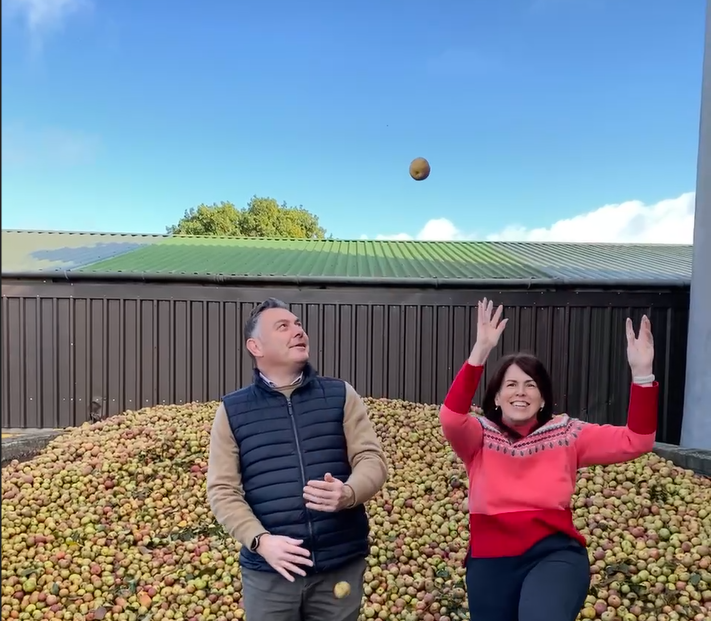
Ms Vaughan said that, due to the warmer weather, they decided to harvest their apples at least a week in advance. She said this year's crops were unlike any they have seen in recent times, with record levels of sugar in the apples and grapes.
But the alcohol content in next summer’s product won’t be affected, she says, as they plan on mitigating the ABV levels to ensure consistency across their ciders.
This summer was the UK’s hottest on record, with back-to-back heatwaves, and a mean temperature of 16.10C – 1.51C above the long-term average.
Andrew Paterson, from Lallemand Brewing, said the conditions meant there was more photosynthesis, the process in which plants create sugar using the sunlight’s energy to convert carbon dioxide and water into glucose.
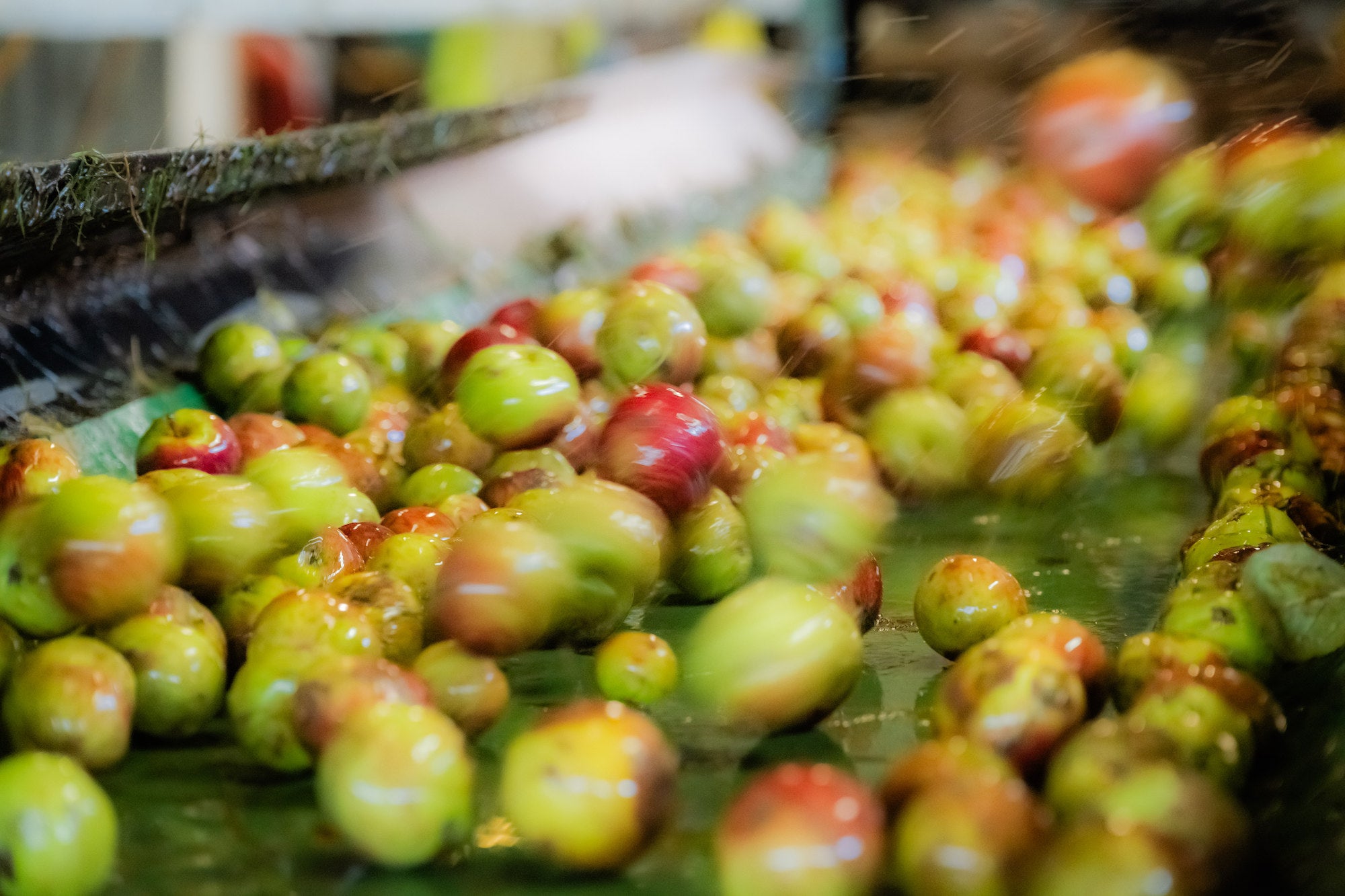
He said that the lack of rain also helped produce sweeter fruit, as less water in the berries, grapes, and apples meant there was a stronger sugar content. “When you have high levels of sugar in apples, that is the food source for fermentation…The yeast will consume sugar, and in doing so, it will create alcohol.
“So if you have more sugar there at the start of the fermentation process, the yeast will naturally create more alcohol during the fermentation process.”
He said the bigger producers will always be standardising the product to a specific alcohol concentration, which is often around 5 per cent.
However, on the other end of the market, smaller craft producers may choose to allow for a natural variation in the alcohol concentration, he added.
Mr Paterson said the fermentation of this summer’s fruit has just begun, and the earliest the customer might see an impact in cider will be around spring or summer next year, and likely even later for wine.
“Interesting, because it was a dry summer, you’ll get stronger wines or ciders, but you’ll actually get less of it as well because there's less liquid in the berries or in the apples.”
Darryl Hinksman, head of business development at Westons Cider, which is made in the Herefordshire countryside, said: “Due to the long hot summer, apples that we have received so far have been high in sugar, and this does help with fermentation.
“(Because of) the lack of rain, however, the actual weight of the fruit, so far, is slightly down versus last year, meaning the apples, although very sweet, haven’t really bulked up.”
Mr Hinksman said there will be virtually no difference in their finished products, as they blend their juices to ensure consistency across their ciders.
Join our commenting forum
Join thought-provoking conversations, follow other Independent readers and see their replies
Comments
Bookmark popover
Removed from bookmarks