Age mystery of felled Sycamore Gap tree finally solved
Researchers have been able to study the tree’s characteristics after it was felled illegally two years ago
The Sycamore Gap tree was at least 100 years old when it was felled in a “devastating” act of vandalism, say a team of researchers.
Never-done-before analysis of a sample of the beloved tree has proved it was part of the iconic landscape next to Hadrian’s Wall in Northumberland for between 100 and 120 years, before it was cut down in 2023.
Former friends Daniel Graham and Adam Carruthers took down the iconic tree with a chainsaw in less than three minutes – and were each jailed for four years and three months for, what a court heard, was a “moronic mission”.
While the tree was widely believed to be planted by Newcastle philanthropist and lawyer John Clayton in the late 1800s, the latest study is the most accurate estimate yet of the tree’s age, according to researchers at Historic England.
They said the new findings will help to tell the story of “an important and long-standing” part of the area’s history.
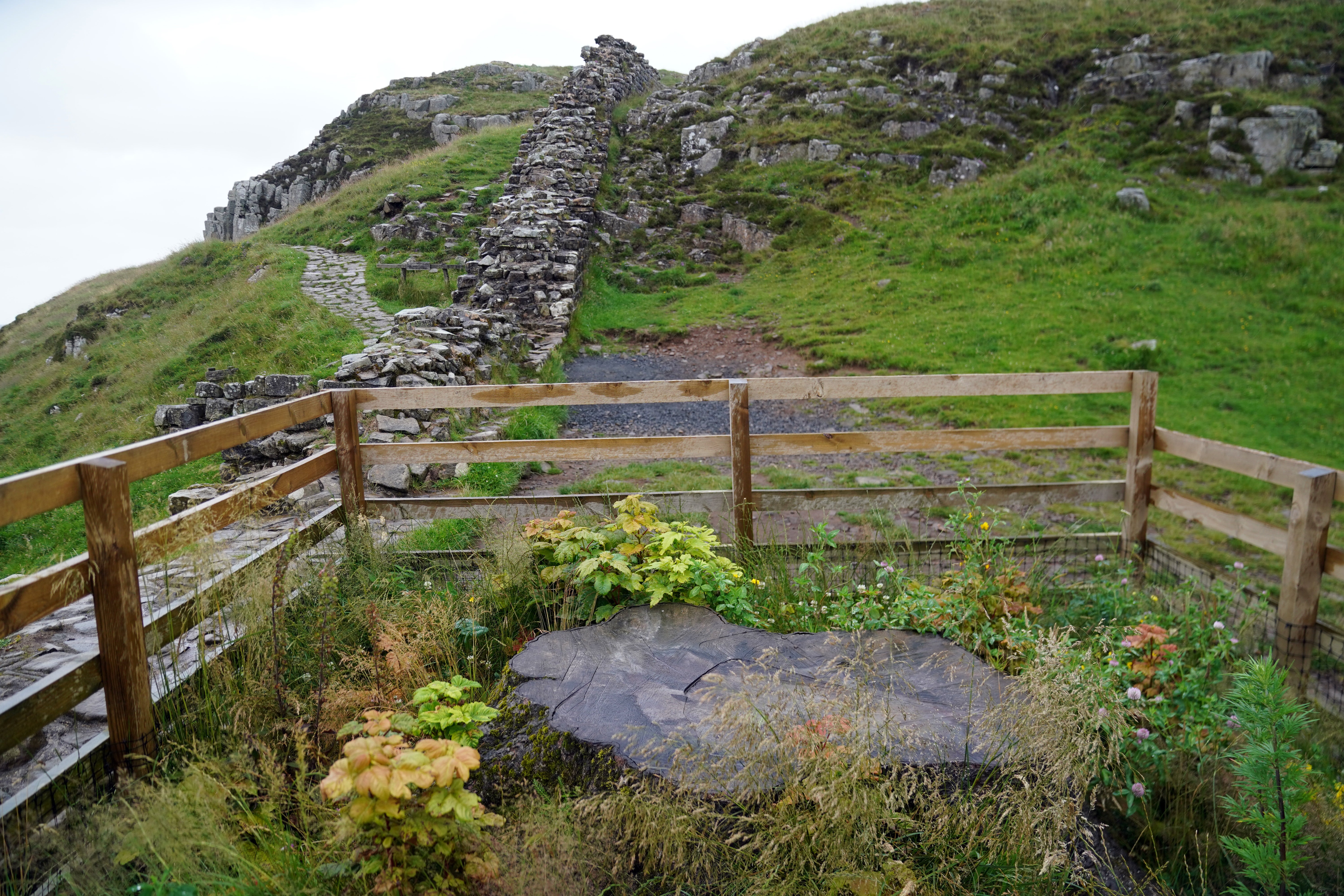
“People had a sense of it being standing watch over the landscape for a long time,” the organisation’s North East and Yorkshire regional director, Tom Frater, told The Independent. “That combination of human nature and history is part of why it really appealed to people. But we didn’t actually know when it was planted.”
The felling of the tree presented researchers with a unique opportunity to carefully study a sample in a bid to uncover some of the tree’s mysteries. Counting the rings taken from a cross-section of the felled part under lab conditions, researchers identified between 100 and 120 rings, each of which is believed to show approximately one year of growth.
Their analysis, in partnership with landowners the National Trust, also revealed the tree had once upon a time been two different trunks that had fused after around 30 years.
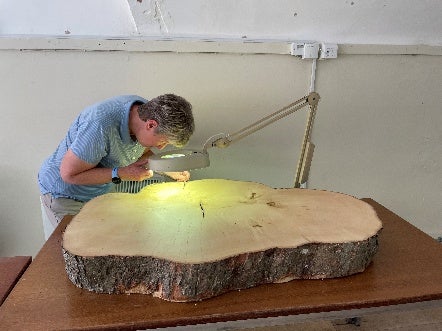
Mr Frater said “nobody would have wished” for the tree to be felled, but that the research had allowed them to answer questions people had been interested in for a long time.
“This really sad illegal felling that occurred has brought positive things,” he said. “It has allowed people to really remember why they value these places, nature, the historic environment, and how they come together.
“It’s relationship to the wall, the view, the landscape over time, and people’s engagement with it, that’s what really matters,” he said. “But what this does tell us is that it is old. It confirms what we felt in our bones about it being an important and long-standing part of the history. It’s really nice to have that confirmed.”
One of the most photographed trees in the UK, the Sycamore Gap tree gained popularity and became a well-loved spot for walkers, as well as photoshoots and sentimental occasions.

But it attracted national headlines after it was illegally cut down in what prosecutors described as an act of “mindless thuggery” overnight on 28 September 2023. A rigorous forensic investigation was launched as police hunted for the suspects amid widespread public outrage.
Graham and Carruthers were jailed earlier this year after they were convicted of criminal damage to the tree and criminal damage to Hadrian’s Wall.
The stump of the tree remains in the ground and is now memorialised, which means it retains some of its secrets.
“What we were able to find was a minimum age that we know the tree was, but about a metre of the stump was still in the ground and we don’t know for sure how many years over that 100 to 120 year range it was,” Mr Frater explained.
Join our commenting forum
Join thought-provoking conversations, follow other Independent readers and see their replies
Comments
Bookmark popover
Removed from bookmarks