Hundreds of endangered species seized by Border Force in illegal wildlife smuggling crackdown
Border Force officers seized more than 2,000 live tarantulas in one month, 302 of which were protected endangered species

More than 250 endangered species, including snakes and lovebirds, have been seized at the UK border in a single month, new figures have revealed.
The crackdown was part of an annual international operation to combat illegal wildlife smuggling called Operation Thunder, led by Interpol and the World Customs Organization to smash criminal smuggling networks.
In just one month this year, Border Force officers seized more than 2,000 live tarantulas at once, 302 of which were protected endangered species. The creatures, from Europe, were worth an estimated £70,000.
Last year, there were two seizures of tarantulas, totalling 536 spiders, and in 2023, 61 creatures were found. Before 2023, almost no tarantulas were found being trafficked into the country.
Border Force officials say the smuggling of spiders into the country has shot up since 2023, and experts say it’s driven by growth in online marketplaces and social media influencers, who have made owning exotic pets fashionable.
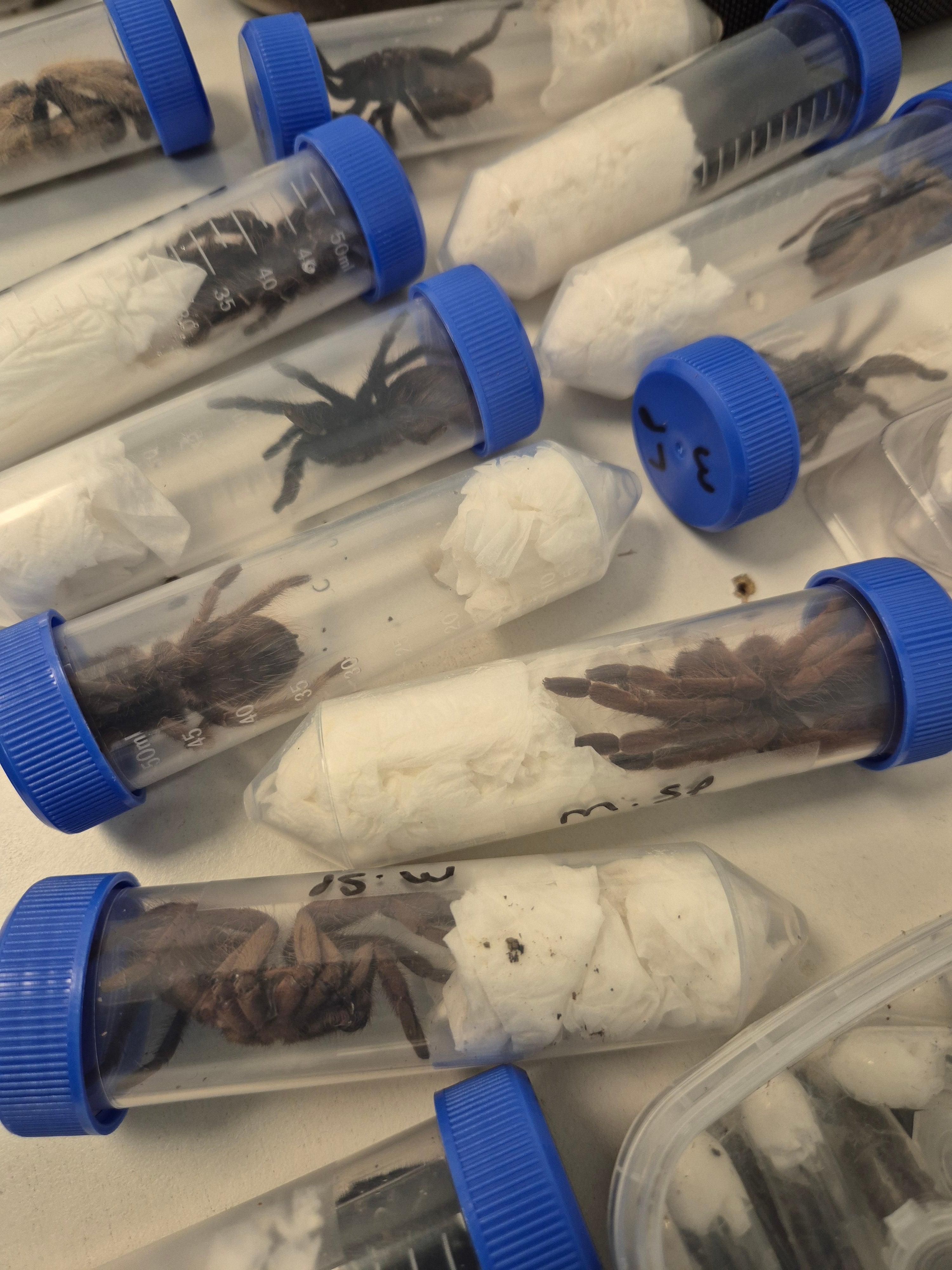
Adult tarantulas can sell for up to £500, depending on the species. One UK website is selling a rare Argentinian spider for £450, while others are priced at up to £120.
Smuggled spiders suffer high death rates caused by inadequate packaging, lack of ventilation and unsuitable temperature control during journeys.
Border Force says that to evade detection, underhand traders and hobbyists often use false paperwork, mislabel shipments and hide spiders in luggage.
The tarantulas were among hundreds of endangered species and illegal wildlife products that officials discovered being smuggled into the UK at airports, ports and postal centres.
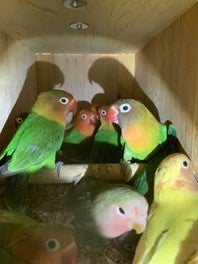
Officials also discovered more than 100 endangered birds, including scarlet ibis, green-cheeked conures and lovebirds, crammed into a car. Some had died and the rest were in filthy conditions, which it was feared risked the spread of disease.
Two rainbow boa constrictors uncovered under blankets in a car at Dover. The driver had bought them at a German reptile show without a licence.
The seizures, from mid-September to mid-October, which were part of an annual international crackdown on illegal wildlife smuggling, represented a 73 per cent increase on the previous year.
Wildlife crime is worth up to £17bn a year globally, making it the fourth largest international crime behind firearms, drugs and human trafficking.
An elephant hair ring from the United States, king cobra balm from Thailand and a blacktip shark jaw from Australia were also seized by officials and blocked from reaching the black market.
Where sellers could not provide paperwork, officers seized items including shark and crocodile meat, ivory carvings and a tiger claw bottle.
The intercepted items are protected by the Convention on International Trade in Endangered Species (Cites).
Wildlife smuggling poses significant risks to animal welfare, biosecurity and conservation and undermines legitimate breeders, conservationists warn.
Home Office minister Mike Tapp said: “Wildlife smuggling is serious organised crime. It fuels corruption, drives species to extinction and undermines our border security.”
He said the seizures had cut off a major source of funding for dangerous gangs.
Mary Creagh, minister for the environment, said: “By tackling wildlife crime we’re sending a clear message to the criminal gangs that this government will strain every sinew to bring those involved to justice.’
The Home Office says that seized live animals are handed to accredited zoos and conservation organisations.
Bookmark popover
Removed from bookmarks