The UK faces a deadly threat. It needs a new Home Guard – and fast
Mentioning the need for home defence is too often met with sniggering about ‘Dad’s Army’, writes Francis Tusa. But with threats from hostile nations growing, Britain has no option but to invest in a new fighting force to keep its citizens safe


The government has set out what the UK needs to protect itself from direct attacks in an increasingly hostile and dangerous world. In short, the assessment is that we need to be ready to go to war – and fast. State powers – Russia today, maybe China tomorrow – have the capability to cause major damage to the UK, its economy and its way of life, and we currently have no viable plans or forces to protect the country.
The strategic defence review recognised the threats, but did not address crucial facts – for instance, that if faced with drone attacks of the type that Ukraine suffers almost nightly, the UK would have absolutely no means of stopping them.
The National Security Strategy, whose publication last week followed that of the review earlier in June, also talked about the need to bolster what it calls home defence. “The UK is directly threatened by hostile activities including assassination, intimidation, espionage, sabotage, cyber attacks, and other forms of democratic interference,” it noted.
“Meanwhile, critical national infrastructure – including undersea cables, energy pipelines, transportation and logistics hubs – will continue to be a target.”
But neither of these documents addressed, directly, the fact that the army cannot be deploying divisions into Europe while also defending the UK homeland – the two missions are contradictory. And neither acknowledged that the country is naked against any missile attack, so needs to actually buy something quickly.


The police force in the UK is not large enough, or trained to undertake home defence outside of a very small range of missions. Protecting critical national infrastructure requires troops on the ground, patrolling, to provide physical protection as well as deterrence.
During the Cold War, there were more than 35,000 Territorial Army troops tasked with home defence, backed up by regular army units, as well as Royal Navy and RAF units. In 1982, to increase numbers in the face of a growing Soviet threat, the Home Service Force (HSF) was established, recruiting former Service personnel who were considered too old to be in the TA but still had decades of experience.
I know of one HSF company in East Anglia that had a corporal who had served as a captain in the Korean war, where he had won the Military Cross – this was not uncommon. Priceless experience and knowledge, despite possibly creaky joints.
Overall, in the 1980s, more than 60,000 service personnel were tasked with defending the UK, and the US Air Force added thousands more to this mix. To put this in perspective, the total strength, today, of the UK police forces is 170,000. So, military home defence forces would need to be at least a third of the size of the police to begin to be effective. And one has to recall that, compared with the days of the Cold War, the number of vital infrastructure sites that need to be defended has grown – the internet and 5G didn’t exist in the 1980s.
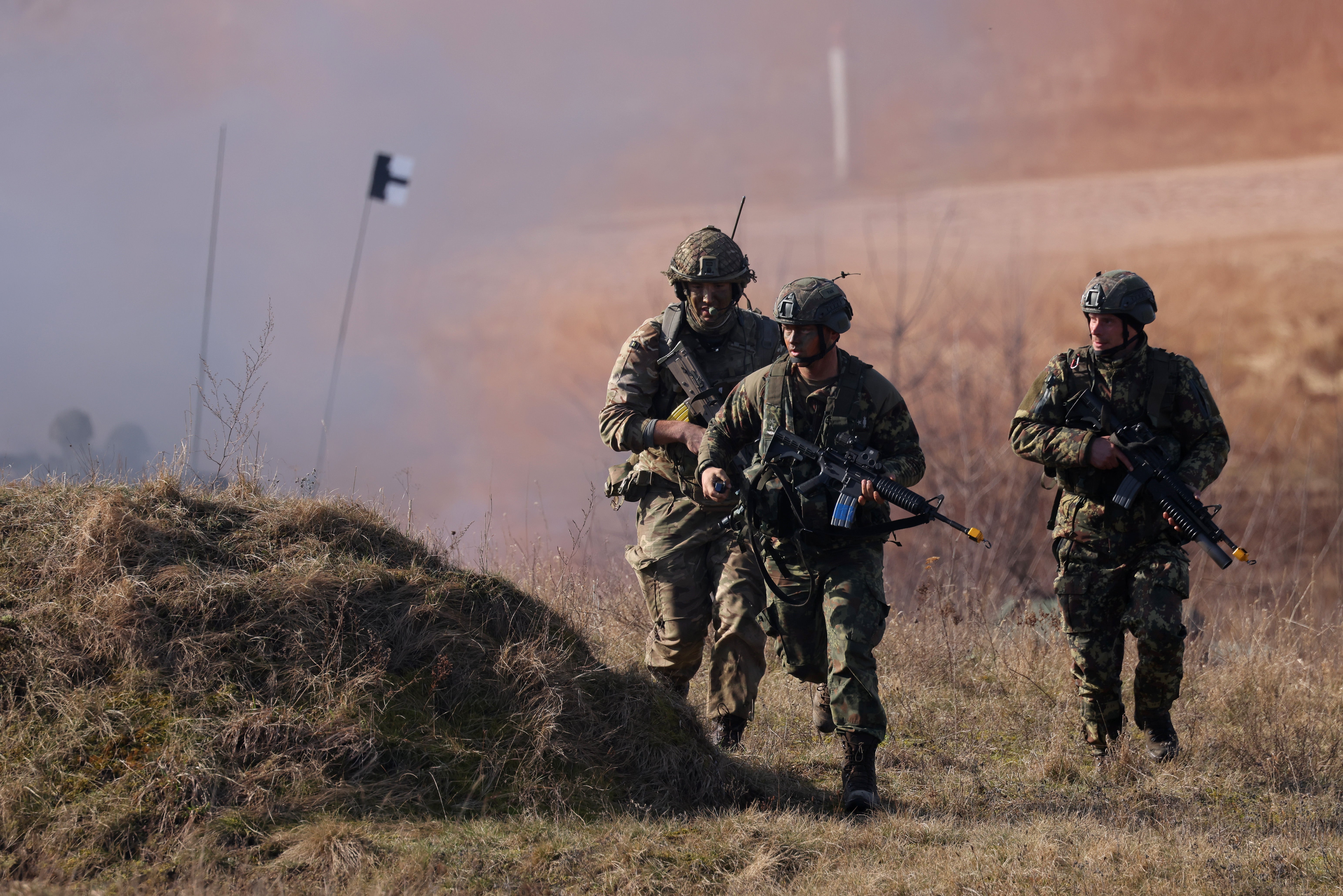
Although the National Security Strategy suggests that the Army Reserve (the old TA) could be the centre of home defence, it is worth noting that in the late 1980s, the TA had 73,000 members – today it has just over 20,000, a shadow of its former self.
Elsewhere in Europe, home defence is better provisioned. In France and Italy respectively, the Gendarmerie is over 100,000 strong and the Carabinieri number around 110,000. Each force has a range of automatic weapons, as well as some light armoured vehicles and many helicopters.
Home defence in the Nordic and Baltic states is not just an adjunct to the “real” military – it is the core of their defence policies. Finland has tested plans to mobilise up to 1 million troops, most for home defence, in time of war, and the aim is that this would be achieved in a week.
The risks to the UK homeland and its infrastructure are accepted as real – but there is no real appetite to implement the measures required to get close to protecting these
Sweden doubled its home defence/resilience budget this year to £6bn by 2028 (aspects of military home defence are in the core defence budget, which has been rising as well) – the equivalent spend in the UK would be £15bn this financial year and £30bn in 2028.
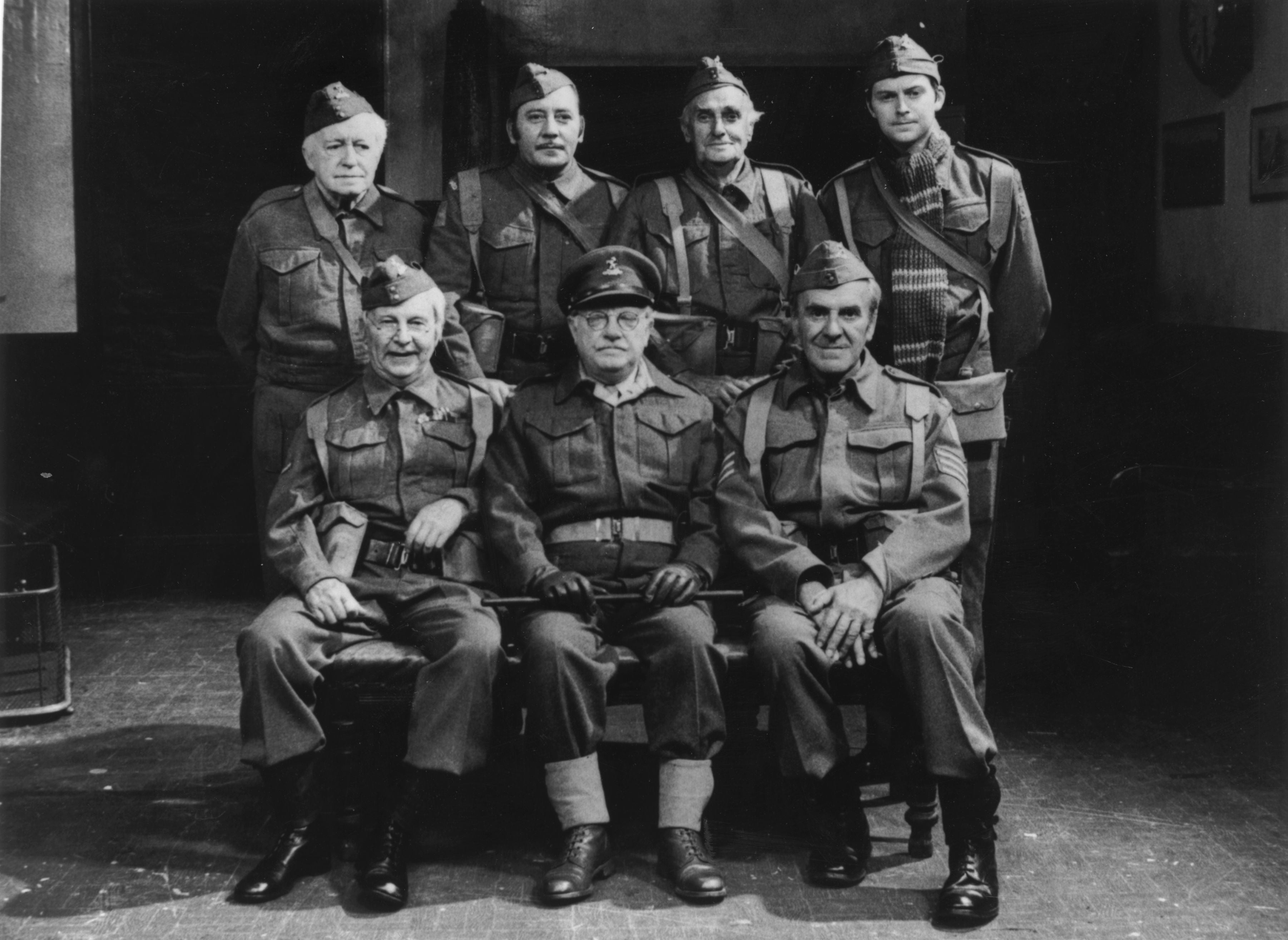
What has hampered adult discussion of UK home defence is that as soon as anyone raises the idea, the first response is “Dad’s Army”, with accompanying sniggering. But the HSF was actually a success in the 1980s, getting thousands to come back into uniform, bringing their skills to the mix, in a very short number of months. They didn’t need to be as fit as regulars, and didn’t have to have the full range of skills – this should be a model for the future, much as it is in the Nordic/Baltic states.
The risks to the UK homeland and its infrastructure, bridges and internet, are accepted as real – but there is no real appetite to implement the measures required to get close to protecting these.
An anti-missile system to defend just part of the UK would cost £10-15bn up front. To get an Israeli-style anti-missile system would cost over £30bn. A home defence force of, say, 30,000 would cost close to £3bn in equipment, pay, infrastructure, and training every year – a fraction of what the Nordics spend on this.
The heavyweight boxer Mike Tyson famously said: “Everyone has a plan until they get punched in the mouth.”
The “punch in the mouth” for the UK, in the case of an attack on its homeland, would mean lights blacking out, the internet being brought down, and food not getting to the supermarkets. It could also be a ballistic missile attack, causing levels of casualties not seen since the Second World War.
Unthinkable? Look to Kyiv, Kherson – this is what “normal life” is like there. Home defence is not Dad’s Army: it is about enhancing the protection of the UK’s infrastructure and the lives of its inhabitants. But it comes at a cost, and the need for a portion of the UK’s population to think very differently.
Tough choices needed? Yes. Leadership required? Yes. Money essential? Yes. Getting these three through in the current climate will be very hard – but the failure to do so will leave us all vulnerable.
Join our commenting forum
Join thought-provoking conversations, follow other Independent readers and see their replies
Comments
Bookmark popover
Removed from bookmarks