London’s infamous ‘Wet Wipe Island’ finally cleared of 5 million wipes
Some 114 tonnes of material, including towels, scarves, trousers and even a set of false teeth, have now been removed
Approximately 5 million wet wipes have finally been removed from the infamous “Wet Wipe Island” on the River Thames.
The three-week project was the country’s first mass wet wipe removal project of its kind, which scooped up everything from towels, scarves, trousers, a car’s engine timing belt and even a set of false teeth.
The Port of London Authority, in collaboration with Thames Water and Thames21, removed around 114 tonnes of waste which had congealed into a 250m island on the foreshore of the river near Hammersmith Bridge.
Wet wipes and other non-biodegradable items are harmful to the environment because they can pollute rivers, harm wildlife and leave an unsightly mess.
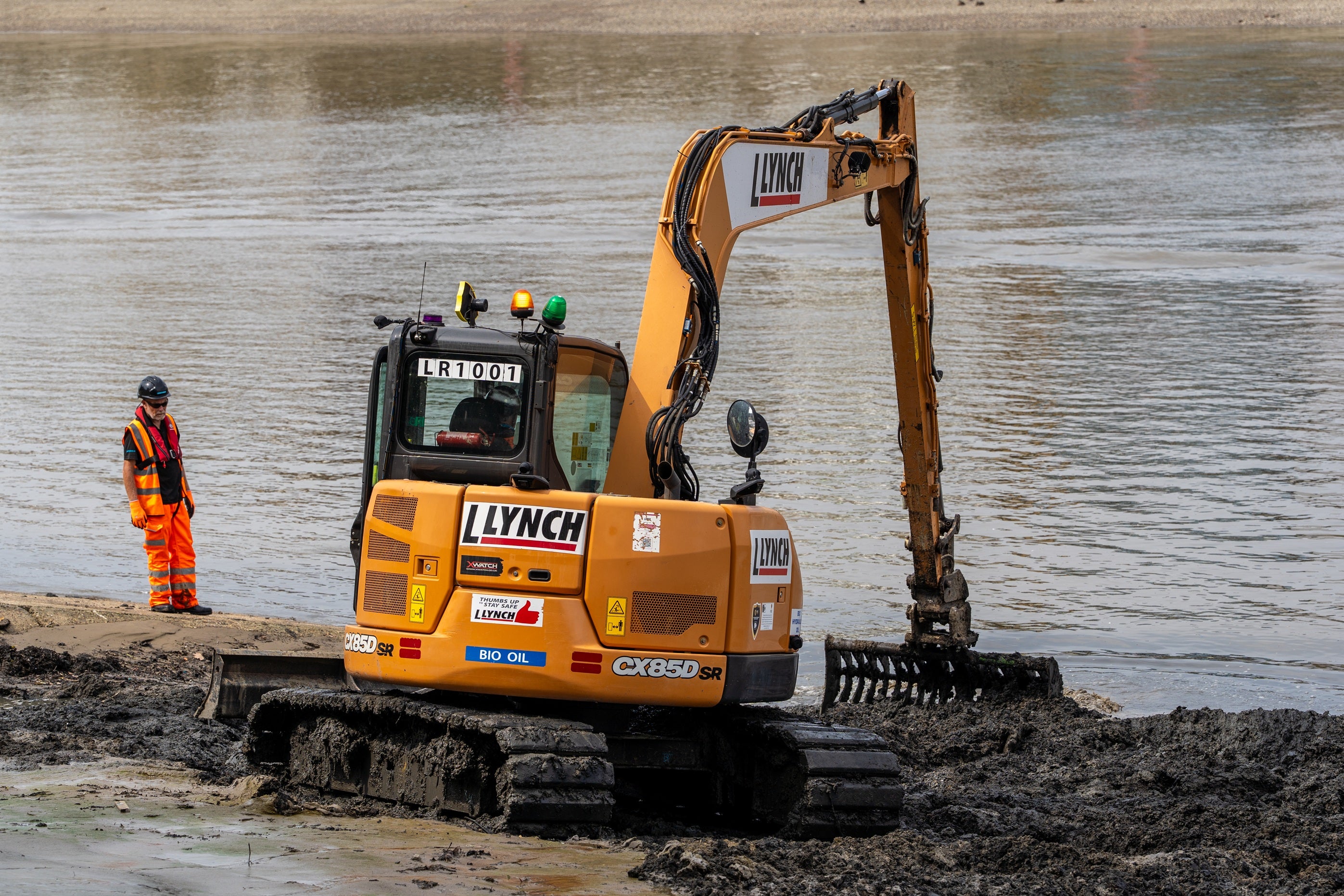
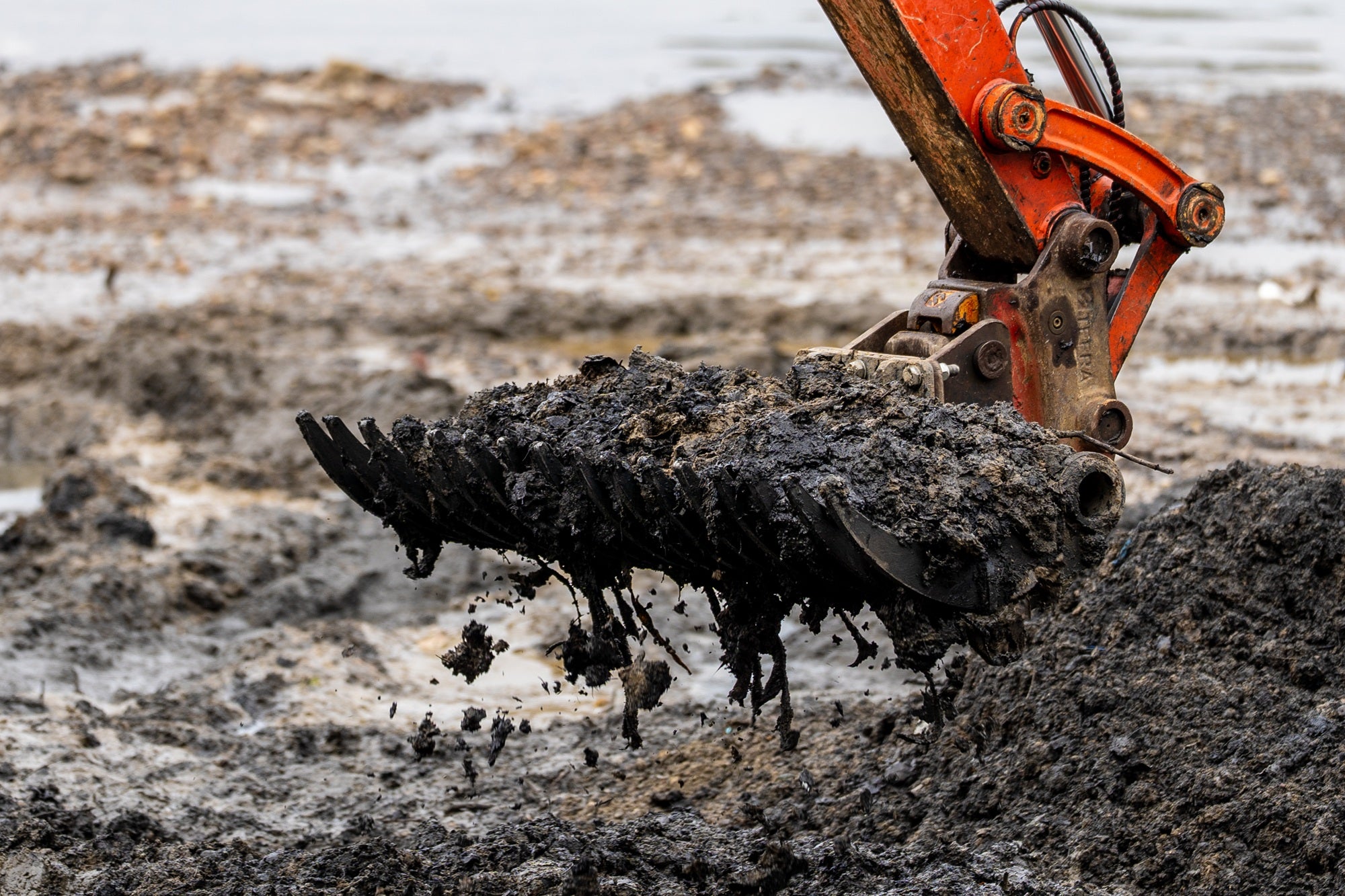
In order to remove the harmful waste, the workers used an efficient “rake and shake” method. This involved two eight-tonne excavators sifting through the island, separating wet wipes and waste from the natural sediment and riverbed in order to minimise the environmental impact.
In total, almost 200 cubic metres of wet wipes containing plastic were taken away in 15 skips and disposed of responsibly.
The island, which was about the size of two tennis courts and up to 1m high in places, had changed the course of the river and potentially harmed the aquatic wildlife and ecology in the area.
Grace Rawnsley, the director of sustainability at the Port of London Authority, said that “while at times the work was pretty gross, it was well worth it to help clean the river”.
“The reaction of local communities – and of people across the country and beyond – has been really encouraging but also slightly incredulous that this work was needed in the first place,” she added.
John Sullivan from Thames Water explained: “This ‘island’ was a direct result of people flushing away wet wipes containing plastic and shows the damage that is caused by putting the wrong things down your toilet.
“Flushing a wet wipe and other non-biodegradable items away does not make them magically disappear. Blockages caused by wipes are a leading cause of pollution, and we remove an estimated 3.8 billion wipes from our network each year.”
He welcomed the government’s proposed ban on wet wipes containing plastics, and hopes it will prevent a wet wipe wasteland from ever forming again.
Organisations like Thames21 are also calling for producers to “get serious about alternatives to wet wipes” and for water companies to increase their investment in screening of plastics entering the environment.
Every year, Thames Water clears 3.8 billion wipes from its network, which it said costs £18m a year.
Thames Water recently announced a further £1.8bn investment to improve river health across London, and last year connected its £4.6bn Thames Tideway Tunnel to support the reduction of sewage discharges into the tidal Thames by 95 per cent.
Join our commenting forum
Join thought-provoking conversations, follow other Independent readers and see their replies
Comments
Bookmark popover
Removed from bookmarks