Homes being built in the wrong place contributing to housing shortage, study finds
Areas with the fastest expected growth tend to be getting even fewer homes than the rest of the country
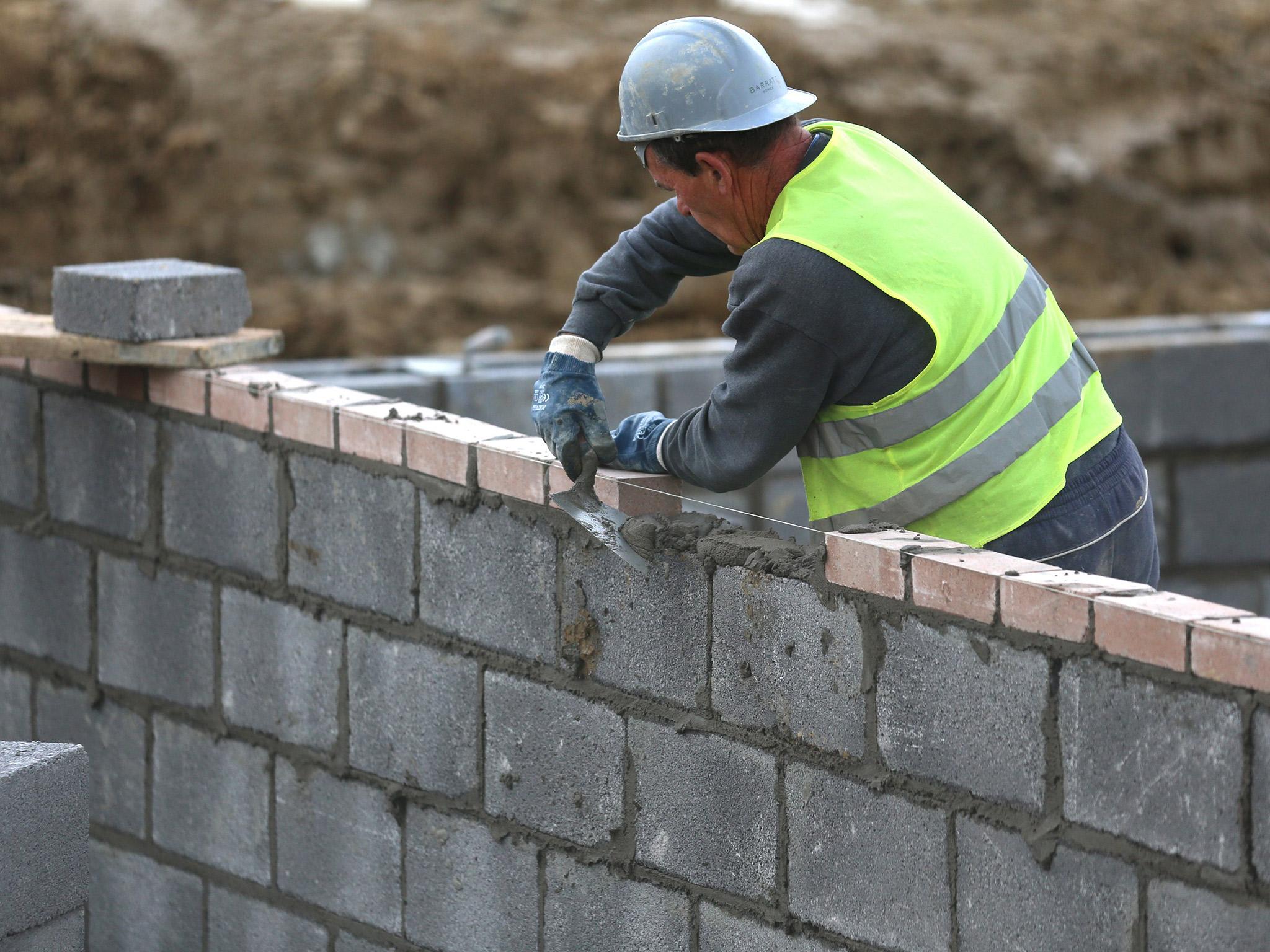
Britain’s housing shortage is being exacerbated by homes being built in the wrong place, according to a new study.
An analysis of local housebuilding figures by the Civitas think tank found that construction rates were particularly low in areas that were set to experience the highest growth in the coming years.
Of the 30 fastest growing council areas outside London, 21 were lumbered with housebuilding output below the national average – despite the national average being inadequate anyway.
Areas like Watford, Thanet, Canterbury and Epping are among those where housebuilding is well under half the required rate to even meet current expected demand, the figures suggested.
The problem is even more acute in the capital. Of the 32 London boroughs, only three – the City of London, Kensington and Chelsea, and Wandsworth – are currently increasing their housing supply by more than their expected population growth over the coming decades.
Overall in the capital housing is only expected to cover 55 per cent of population growth – meaning further rising costs and even more cramped living conditions across the metropolitan area.
The findings follow a calculation by the Office for Budget Responsibility that show that the Government’s new policies in the Autumn Statement will in fact slow housebuilding.
Daniel Bentley, editorial director at Civitas, said: “Nationally, the supply of new homes is currently running at about four-fifths of what it would need to be just to keep up with the needs of current rates of population growth.
“This shortfall is not only pushing up prices but stymying the household growth we would otherwise expect to see – as more youngsters live with their parents or enter house-share arrangements – and creating homelessness.
“But the picture is unevenly spread across the country, with those areas that are expected to grow fastest over the coming years already falling further behind on average than the rest of the country. The national figures therefore disguise the scale of the housebuilding challenge, which is not only to get enough homes built, but to get them built in the right places.
“High growth areas, in particular London and the South-east, are being starved of the homes they need by an array of factors, including greenbelt restrictions, ultra-high land values and the dysfunctionality of the current housebuilding model. All of these issues need to be addressed in the forthcoming housing white paper.”
A DCLG spokesman said: “The truth is we’ve got the country building again with nearly 900,000 homes delivered since the end of 2009, and housebuilding at its highest level for eight years.
“We’re determined to build homes in the places people want to live, which is why we’re investing more than £25bn in housing - the largest housing programme of any government since the 1970s.
“Our housing White Paper, due to be published next month, will also set out further plans to build even more homes, more quickly.”
Join our commenting forum
Join thought-provoking conversations, follow other Independent readers and see their replies
Comments
Bookmark popover
Removed from bookmarks