Warning over ‘dangerous brain drain’ as number of Britons leaving UK revealed
UK net migration reached a record high, new figures show, as Labour home secretary Shabana Mahmood comes under fire over asylum crackdown
Sir Keir Starmer has been urged to tackle a “dangerous brain drain” that is harming the UK economy, just days before next week’s make-or-break Budget, after official figures showed that the number of Britons leaving the UK is far higher than was previously thought.
A total of 257,000 British nationals are now thought to have left the country last year – 180,000 more than the initial estimate of just 77,000, according to the statistics, which also revealed that net migration had reached a new record high.
In the three years between the end of 2021 and the end of 2024, 344,000 more Britons are believed to have emigrated than the original estimate indicated, after the Office for National Statistics (ONS) updated its methodology.
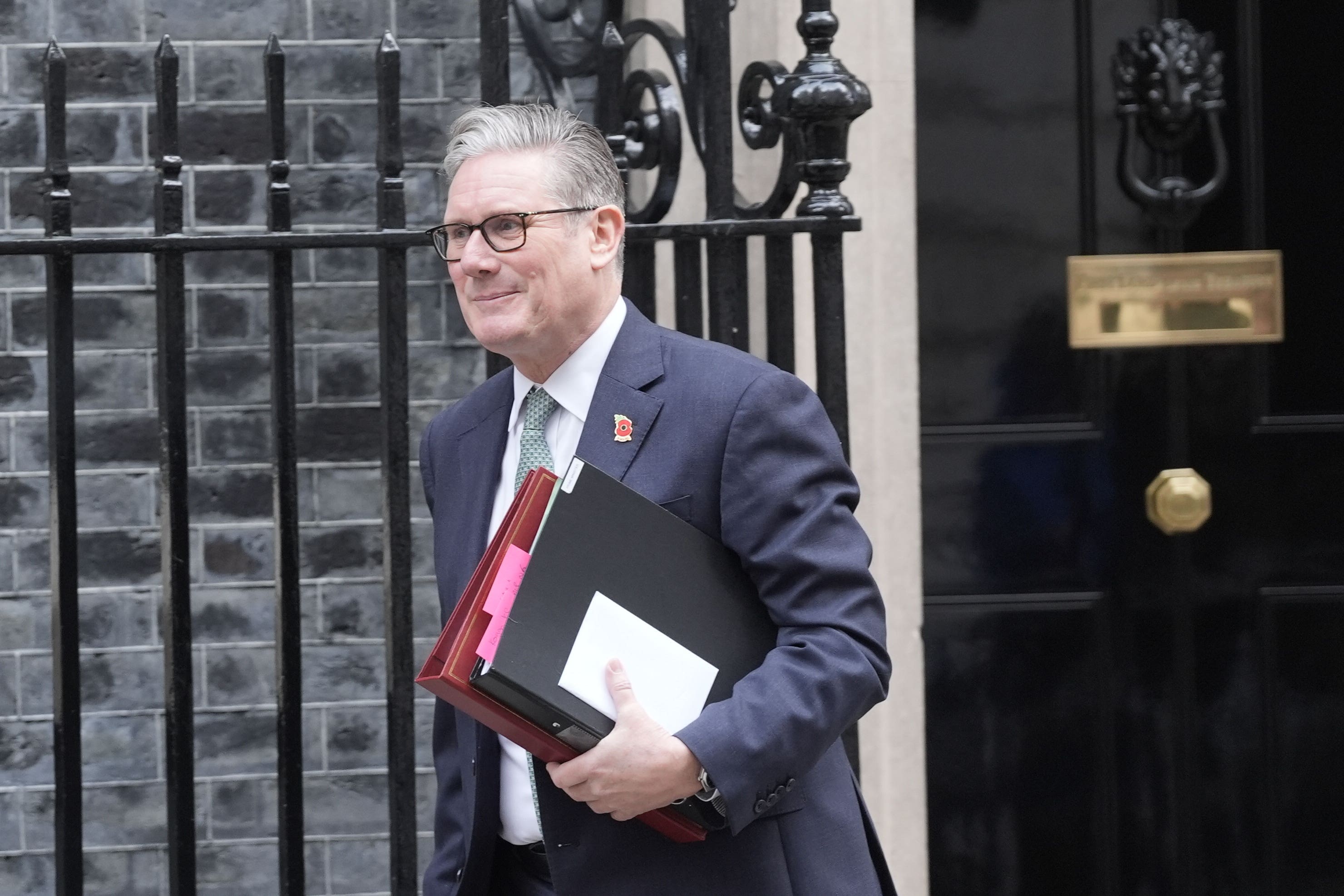
The extent of migration away from the UK comes as a blow to Sir Keir just a week before his government’s crucial Budget, amid claims that Downing Street is panicking about how to save his premiership.

Karl Williams, research director at think tank the Centre for Policy Studies, told The Independent that the figures point to “an alarming brain drain, with net emigration of British nationals both much higher than previously thought, and accelerating”.
He added: “This new data supports the mountain of anecdotal evidence about young people increasingly moving abroad to places like Dubai and Australia, for better wages, lower taxes and cheaper housing. Britain urgently needs to stop penalising wealth creators, start building houses, and take action to bear down on the cost of living, otherwise the loss of some of our most productive workers – and highest taxpayers – will only continue.”
Shadow chancellor Sir Mel Stride said: “Britain is now confronting a dangerous brain drain. Many of our brightest young people, teachers, doctors and innovators, are looking abroad – and many wealth creators have already left.”
The Conservative frontbencher said they were being driven out by “Labour’s punishing taxes and policies that suffocate ambition. These are the people who power growth and fund our public services, and once they go, they take opportunity with them. Labour must reverse course now, before the talent Britain relies on is lost for good.”
Meanwhile, the British Medical Association told The Independent it was “very concerned” about the UK’s ability to keep doctors in the country. It pointed to a report by the General Medical Council that suggested that more than 4,000 doctors left the UK to practise abroad last year.
The figures follow claims that as many as 16,500 millionaires could leave the UK this year in response to tax changes and a lack of confidence in the faltering economy. The Henley Private Wealth Migration Report forecast that the UK would lose twice as many as China, and 10 times as many as Russia.
A poll carried out for the British Council last year found that nearly three-quarters (72 per cent) of UK-based 18- to 30-year-olds would consider living and working in another country in the short or long term, moving mainly for better job opportunities and quality of life. The most popular destinations were Australia, the US, Canada and Italy.
Estimates were previously based on the International Passenger Survey, but this had a very small sample size and had been “stretched beyond its original purpose” so was no longer considered reliable, according to the ONS.
The estimates are now produced using more comprehensive data from the Department for Work and Pensions, which holds basic information on everyone with a national insurance number. This can be used to determine people’s likely migration status.

Ben Brindle, from the Migration Observatory at the University of Oxford, said: “Older research suggests that Brits tend to migrate to other high-income countries, especially English-speaking ones, and that most are working age. However, this is one of the areas of migration where we have the least data on people’s characteristics.”
The ONS also announced that net migration was 944,000 in the year ending March 2023, 38,000 more than estimated, as it reached a higher peak than previously thought and then fell faster in 2024 following the tightening of visa rules. Net migration is the number of people moving long-term to the UK minus the number leaving.
The new statistics emerged as the Labour home secretary Shabana Mahmood came under fire on Monday after unveiling a raft of controversial hardline measures designed to discourage asylum seekers and make it easier to remove those who have no right to remain in the country.
But there was good news for Ms Mahmood, as the figures also showed that, more recently, net migration fell further than was previously thought. In the year ending December 2024, the figure was 345,000, lower than the previous estimate of 431,000.
Earlier, Labour peer Alf Dubs accused Ms Mahmood of using “children as a weapon” in her asylum system proposals.
Lord Dubs, asked about the argument that asylum seekers are using their children to “thwart removal”, told BBC Radio 4’s Today programme: “I think that’s a theoretical statement – I just don’t accept that.”
He added: “To use children as a weapon, as the home secretary is doing, I think is a shabby thing. I’m lost for words, frankly, because my concern was that if we remove people who come here, what happens if they’ve had children in the meantime? What are we supposed to do with children who are born here, who’ve been to school here, who are part of our community, our society? We can’t just say, ‘Oh well, out you go, because your parents don’t [have a] claim to be here.’”
Join our commenting forum
Join thought-provoking conversations, follow other Independent readers and see their replies
Comments
Bookmark popover
Removed from bookmarks