Is the local government shake-up going to cost taxpayers more?
Sean O’Grady takes stock of the latest complications in Labour’s plan to reorganise England’s local authorities

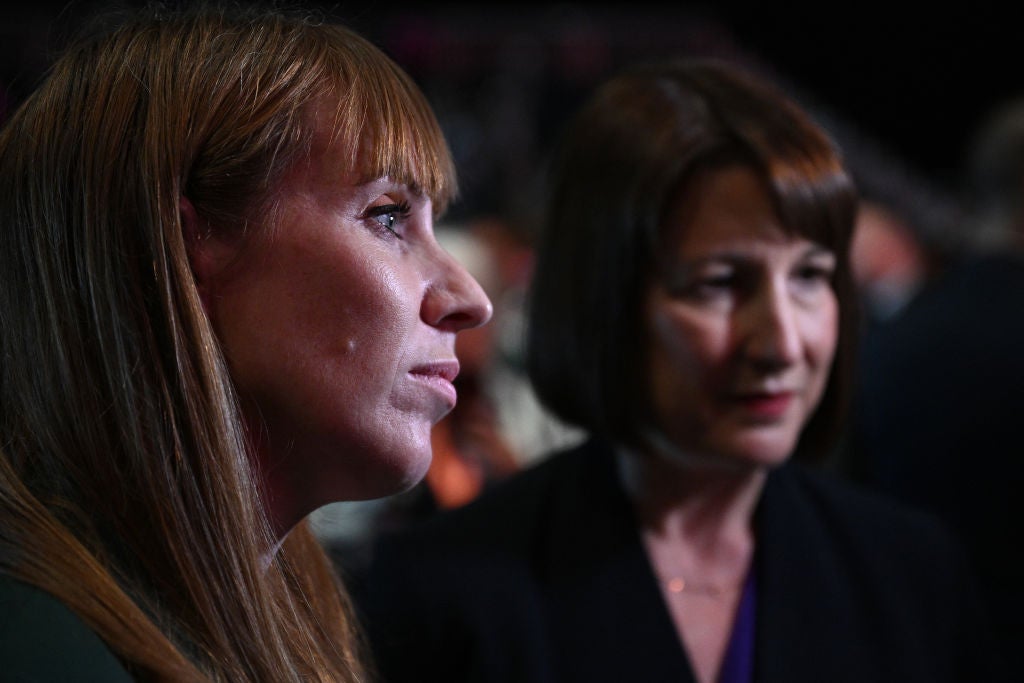
Much discussion is being had, once again, about the deputy prime minister’s personal finances and her private life, but of rather more consequence is surely the way she has been handling the much less interesting topic of local government reorganisation. Astonishingly, it seems that her department has failed to do its own cost-benefit analysis of the current quiet revolution in England’s local authorities.
The upshot is that, instead of delivering the expected efficiency savings, the reorganisation – the fifth major shake-up in the past half-century or so – will actually cost the taxpayer more than leaving things alone.
What went wrong?
They trusted the experts a little too much. Rayner’s Ministry of Housing, Communities and Local Government (MHCLG) relied on figures produced by the County Councils Network (CCN) that suggested that a handy £2.9bn could be saved over five years. However, the CCN, a pressure group representing county and district councils, has since revised its figures. The unhappy conclusion is that the much-vaunted reorganisation could result in negligible savings, or even in a net cost relative to the benefits.
Admirable though the CCN is, it’s odd that the MHCLG, and possibly the Treasury, didn’t ask colleagues in government to audit the details.


How did this happen?
It’s not clear, but the MHCLG says: “Councils across the country have also told us that bringing services together under one roof means residents get joined-up support when they need it most, while clearer structures mean people know exactly who’s responsible for delivering their services. Councils will also develop their own proposals for how reorganisation works best in their areas, as we fix the foundations of local government through our Plan for Change.”
What will happen to the reorganisation?
Quite a few councils have merged into larger units, such as “Greater Lincolnshire”, while others are still wrestling with how best to rationalise various unitary authorities and (usually) “multi-tier” county councils (which run things like social care and schools) with district councils (who look after planning and bins, for example).
Some counties and districts are being abolished and split into smaller unitary authorities, and some might also (or instead) join neighbouring areas to create bigger units, such as Derbyshire, Derby, Nottinghamshire and Nottingham, which will carry on but are also being subsumed into the new East Midlands mayoralty. Such changes worry people and can cut across ancient traditional borders and local loyalties (as in the case of Rutland, a district council masquerading as a county council, which has an uncertain future).
The CCN warns against creating lots of small unitary authorities.
What does it mean for bills?
If the reforms do work, they could be lower. If the reforms fail, then council tax bills will be higher, other things being equal, and Rayner will have to look elsewhere for the efficiency savings she’s promised her colleague Rachel Reeves.


What about reforming the council tax system?
An even more challenging task, both politically and administratively. Might be best to let the new authorities settle in before presenting them with that mammoth, and unpopular, job.
Join our commenting forum
Join thought-provoking conversations, follow other Independent readers and see their replies
Comments
Bookmark popover
Removed from bookmarks