Sharper than expected fall in net migration ‘will add £3bn to UK’s borrowing’
Chancellor Rachel Reeves is due to use her spring statement to give an update on the UK economy within weeks
The UK’s plummeting net migration numbers will add billions of pounds to the nation’s borrowing, Rachel Reeves has been warned.
Successive governments have announced crackdowns on migration since the figures hit nearly a million in just 12 months in 2023.
But these attempts have proved so successful – with numbers dropping by two-thirds in a single year, driven by a huge fall in people coming for work or study –that they now risk affecting the exchequer, a leading think tank has warned.
Lower migration, especially of people of working age, can cut the amount of tax the government takes in without necessarily reducing the cost of public services.
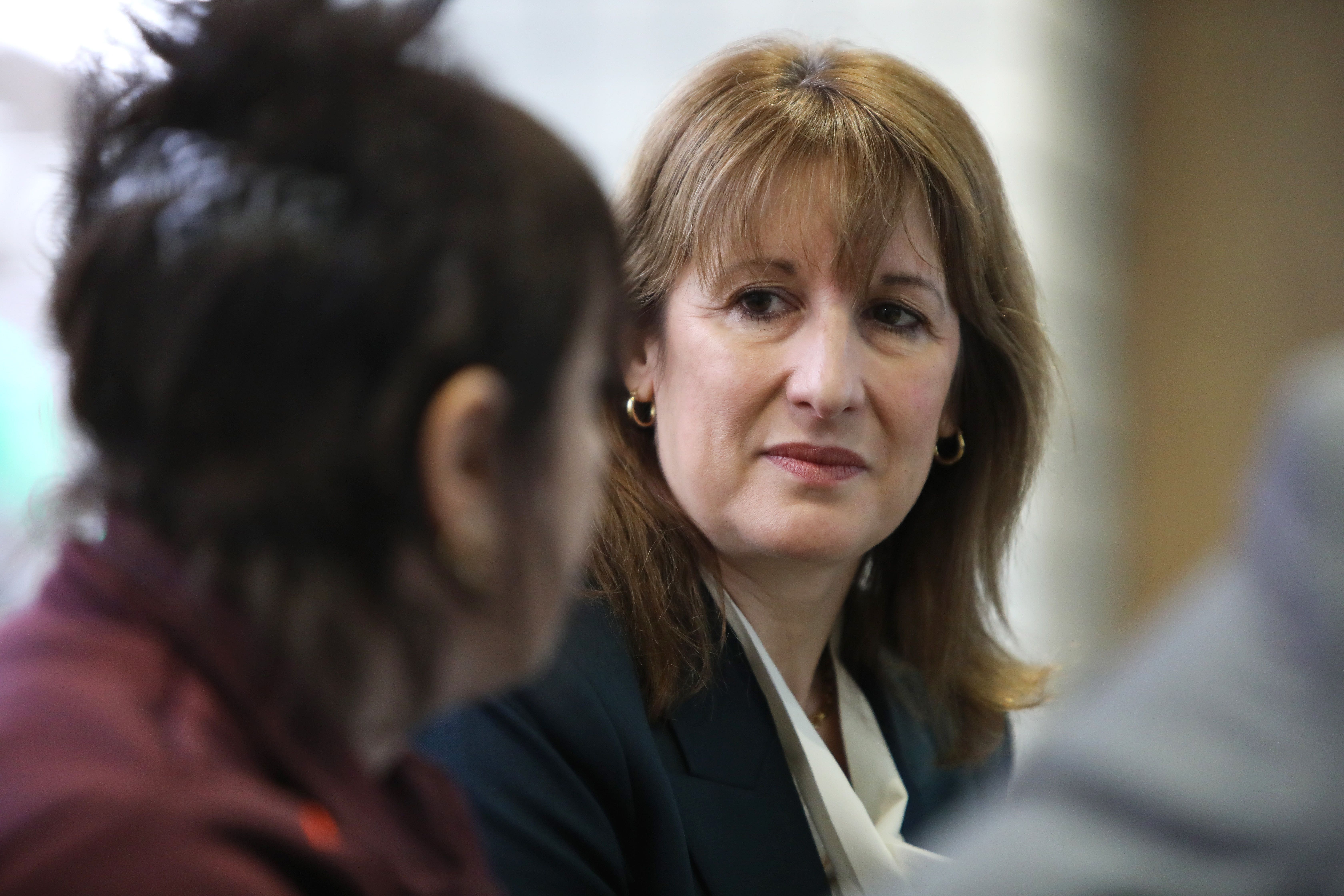
James Smith, chief economist at the Resolution Foundation, warned “migration really matters” as he said that recent statistics pointed to a “much sharper fall” in net migration than economic forecasts had predicted.
The drop will add around £3bn in government borrowing, he told an event in London looking ahead to Ms Reeves’ spring statement at the start of March.
The warning comes after the chancellor was told she should scrap her self-imposed rules on debt and borrowing in order to halt the “dysfunctional” policymaking behind Britain’s economic uncertainty.
Mr Smith said the migration figures “have pointed to a much sharper fall in net migration than the OBR (Office for Budget Responsibility had built into their forecast”. This would “add about £3bn to borrowing”, he added.
The Resolution Foundation estimates that lower growth, higher wages and unemployment, combined with falling net migration, will increase the UK’s borrowing by £6bn by the end of the decade. However, lower interest rates on the cost of that debt will offset the extra costs somewhat, leaving borrowing only around £1bn higher than at Ms Reeves’ Budget.
In November, Office for National Statistics (ONS) figures showed that, in the 12 months to June, net migration was an estimated 204,000 – down from 649,000 a year earlier, and the lowest annual figure since 2021.
Net migration – the difference between the number of people moving long-term to the country and the number of people leaving – peaked at 944,000 in 2023.
At the event, organised by the think tank, Ms Reeves was also warned the UK economy cannot afford another year of speculation about potential tax rises.
Karen Ward, managing director at JPMorgan Asset Management, said: “If we go through yet another year where we are speculating on which taxes are going to go up through the course of the year, we're going to have another year of economically debilitating paralysis.”
The warnings come despite Wednesday’s news of a surprise drop in inflation, and less than a fortnight before the chancellor delivers her spring statement setting out the latest forecasts for the UK economy.
Since they entered Downing Street, Labour has failed to achieve the growth promised by Ms Reeves and Sir Keir Starmer when Labour came to power. The economy stuttered to a near halt at the end of last year, following Budget uncertainty in November, rising by a meagre 0.1 per cent in the final three months, while figures released on Tuesday, showed that the unemployment rate had hit its highest level for five years.
Join our commenting forum
Join thought-provoking conversations, follow other Independent readers and see their replies
Comments
Bookmark popover
Removed from bookmarks