As the threat from Russia looms, is conscription really the answer that France thinks it is?
As France announces a new national military service plan to bolster the nation’s armed forces amid concerns over Russia’s threat to European stability, Lucy Denyer looks at how other European countries are ensuring they have a population fully motivated to fight for their homeland
When Emmy Vilander turned 18, she, like everyone her age in Sweden, was sent an official email by the Swedish government. It asked her whether she’d consider conscription into the country’s military under Sweden’s “total defence” service and asked her how fit she was, if she had any health issues and what her motivation would be.
“I thought it might be a good thing [to do],” recalls Vilander – and so she duly filled in the form. Not long after that, she found herself in Sweden’s far north learning how to strip down a rifle, shoot a gun and build a shelter (as well as the “basic stuff like how to keep a tidy locker and how to make your bed”. By the end of her 10-month military service, Vilander could also drive a tank in a variety of terrains. “You learn a lot about yourself – that you can do more than you think you can do,” she tells me. “I thought it was going to be so hard – and it was – but it was also fun.”
Vilander is now studying political science at university in her native Stockholm. But she could be called up any time to serve her country. As could anyone in Sweden aged between 16 and 70. Sweden implemented its total defence strategy in 2017, which means everyone’s details are kept on file for service from their 18th birthday, and anyone can be called up at any time if they are needed.
That doesn’t mean all have to serve in the military – people can also enrol in civilian service, for example, in the emergency services. However, should the country find itself in a state of heightened alert, people up to the age of 70 may be called upon in some form, if only to assist with necessary societal tasks, like water transport, childcare or food preparation. “During a state of heightened alert, all of society must work together to ensure essential functions,” states official Swedish guidance. If your military service is asked for, you must report for duty immediately.
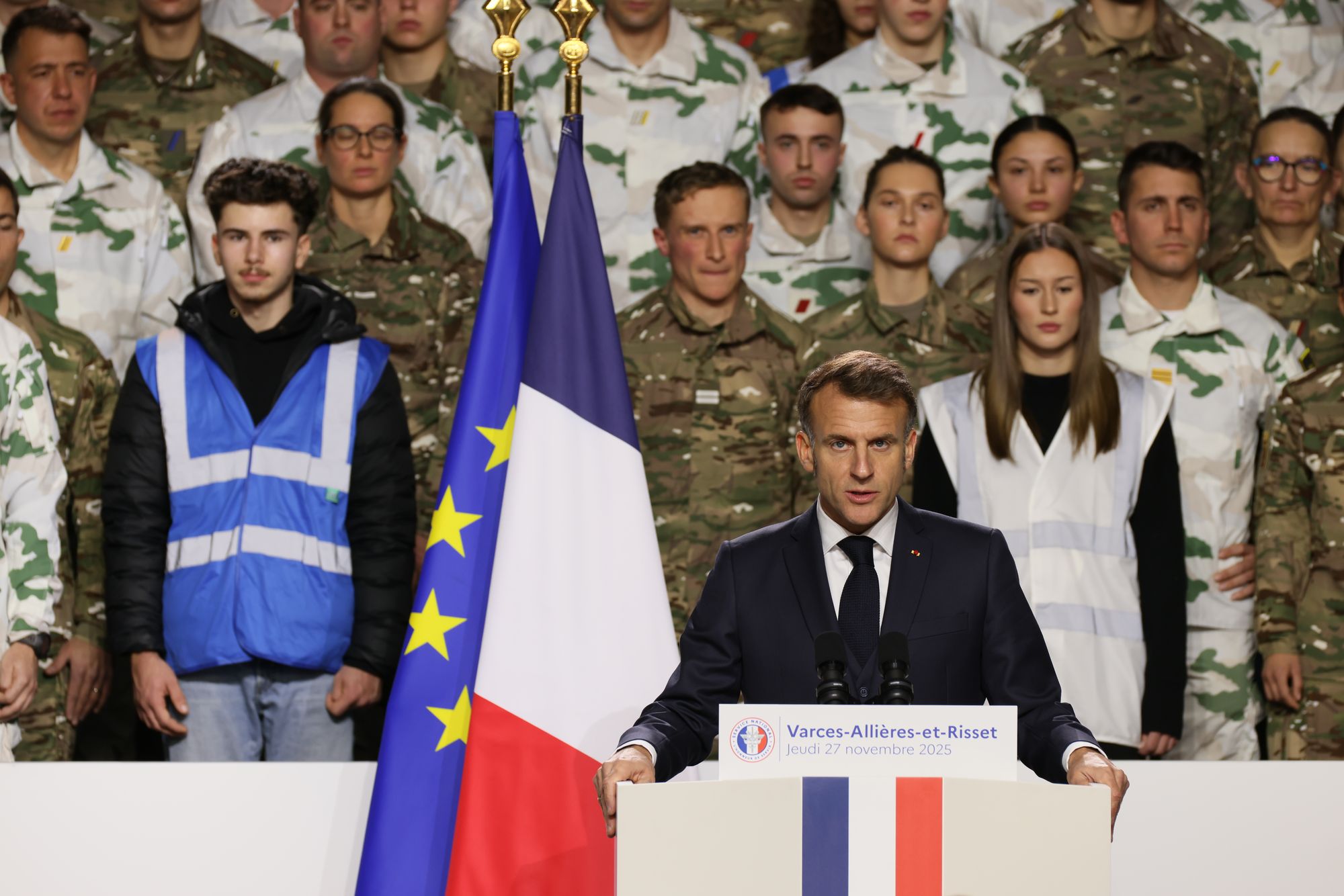
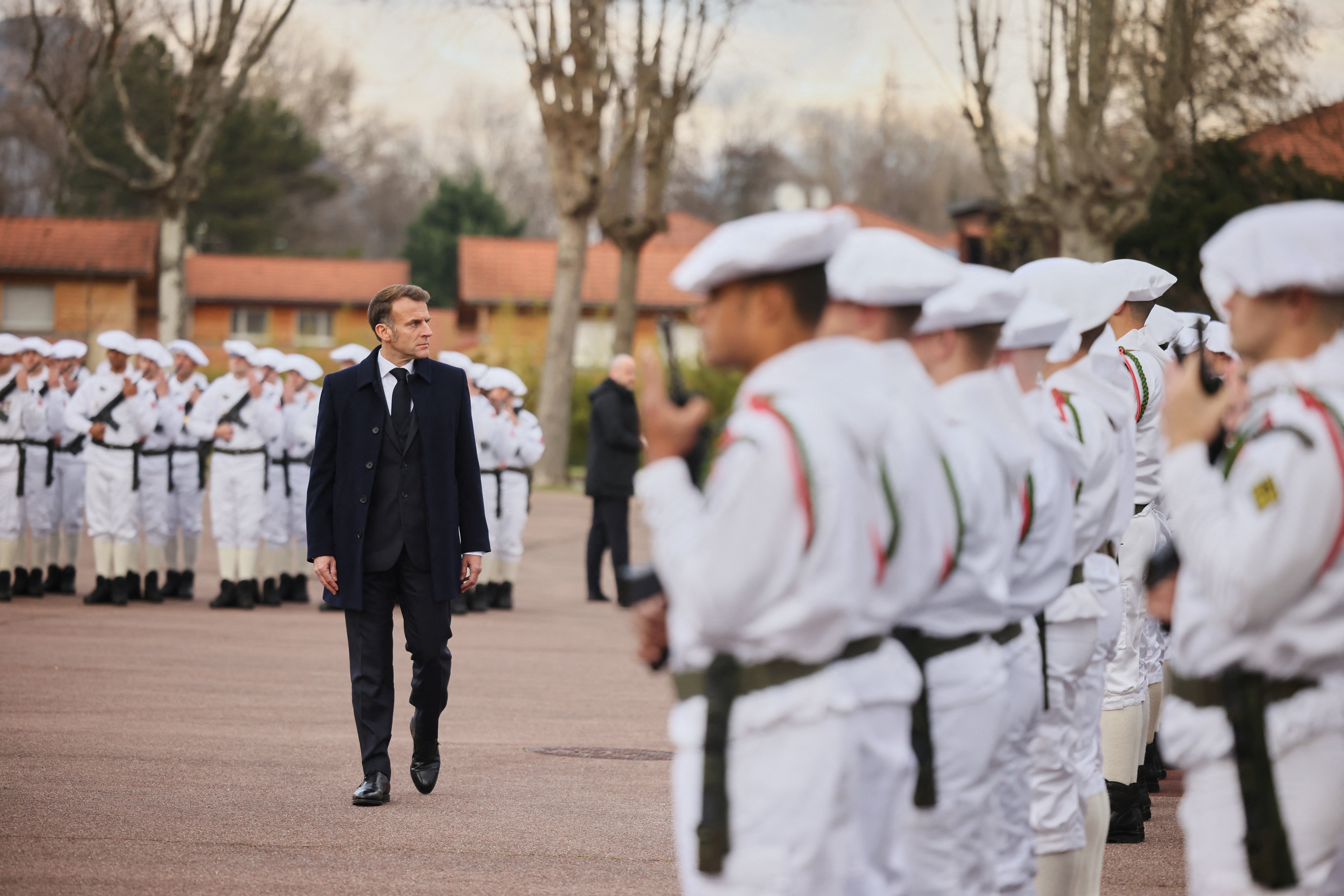
Today, president Emmanuel Macron is unveiling a new national military service plan, aiming to bolster the nation’s armed forces amid escalating concerns over Russia’s threat to European stability beyond the war in Ukraine. His office confirmed Macron would emphasise the “need to prepare the nation for growing threats” during his visit to the Varces military base in the French Alps.
This initiative builds on an earlier announcement to provide French youth with a voluntary military service option, explicitly ruling out a return to conscription, which France ended in 1996. France is seeking to boost its defences as Russia’s war in Ukraine puts the European continent at “great risk”, Macron stated. Meanwhile, Germany will require all men to register for potential military service from 1 January 2026, with compulsory service to be reintroduced if volunteer numbers fall short of targets set to meet Nato commitments.
Should we all be following these leads? It’s a hot topic right now, after comments made last year by the head of the army, General Sir Patrick Sanders. “As the pre-war generation, we must similarly prepare,” said Gen Sanders. “That is a whole-of-nation undertaking.” And, in words that have sent flurries of anxiety up and down the land, he also referred to the need for an army “designed to expand rapidly… to train and equip the citizen army that must follow”. But what would a citizen army entail? Would we all be called up to fight? Would our daughters, our sons?

I must admit, I’m not totally immune to the kerfuffle. I have three sons. They’re all too young to don uniforms at the moment, but it’s scary to think they could be made to once they come of age. My generation of millennials have grown complacent about the prospect of war in this country in the past couple of decades. But having such a long period of peace is the anomaly, not the norm. And while we may not officially be engaged in conflict at the moment, we would do well to remember that since 1945, there have only been three years – 1968, 2016 and 2024 – where a British soldier, sailor or airman has not died as a result of military operations.
Since Russia invaded Ukraine – and arguably since it annexed Crimea in 2014 – the threat has been pulled into sharp focus. As Gen Sanders explained: “Ukraine really matters. It is the principal pressure point on a fragile world order that our enemies wish to dismantle.” The shadowy, but enormous influence of China and Iran makes it feel like the battlelines are indeed being drawn – and it is not overstating the situation to say that we are, indeed, a pre-war generation, living in a pre-war world.
Other nations, particularly our European neighbours, appear to be much more alive to this fact and are readying themselves accordingly. Norway and Finland have even more stringent rules when it comes to national service. In 2013, the Norwegian parliament voted to extend conscription to include women, making it the first Nato member and the first European country to introduce compulsory military service for both sexes.
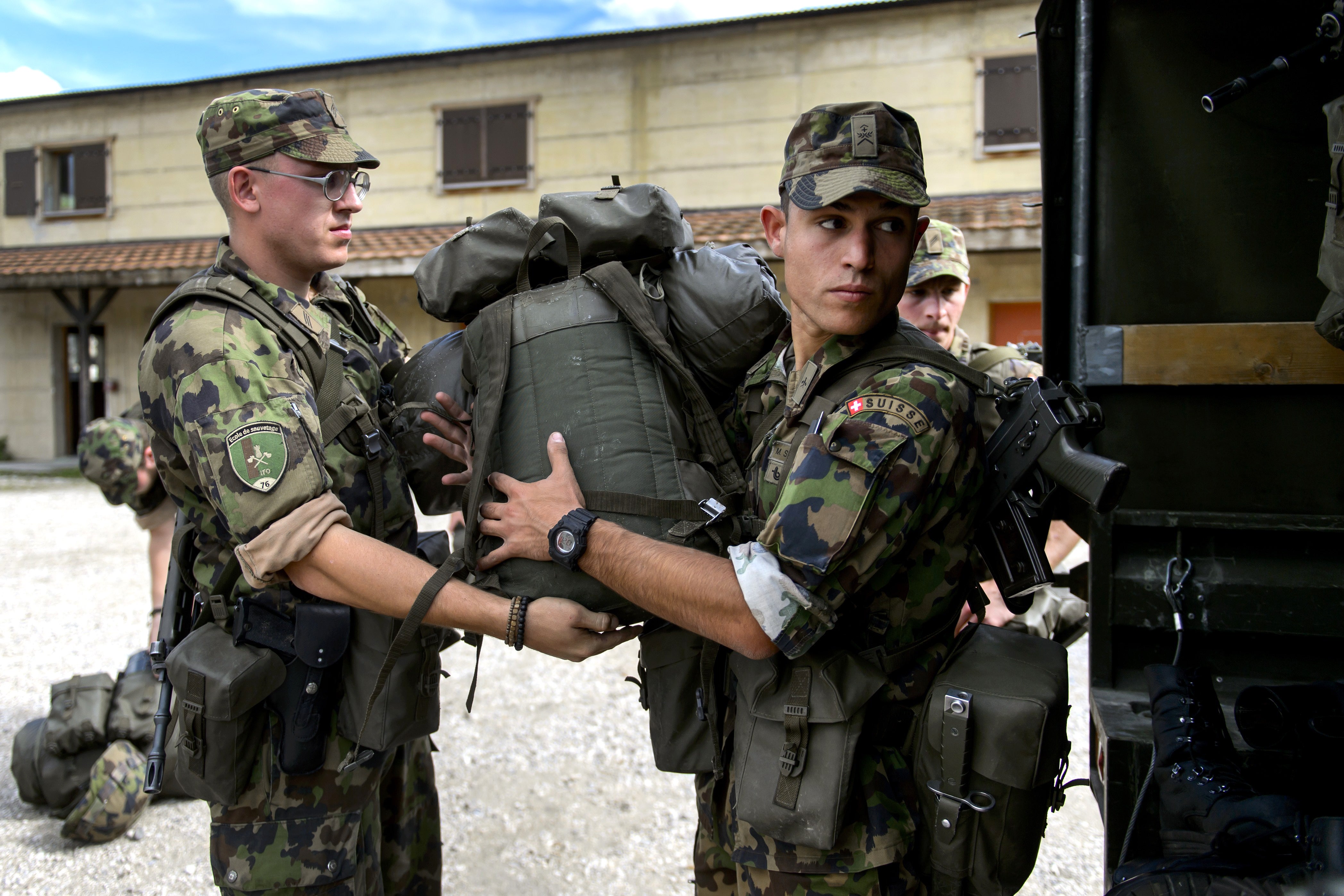
Finland, which joined Nato last year, has always been alert to the threat posed by its neighbour, Russia, and every male Finnish citizen between 18 and 60 is required to do military service (although there is also an option to perform non-military service). After this, they become a part of the Finnish Defence Forces Reserve, which, at 870,000, is now one of the largest in the world. It’s the same in Denmark, Estonia, Switzerland and Austria, all of which mandate military service for men – although in Austria it’s army or air force only: the landlocked country does not have a navy.
It’s telling, too, that in those countries that have held votes on whether to retain the draft, the answer has generally been a yes: Switzerland voted 73 per cent in favour of conscription in 2013, and Austria’s referendum in the same year resulted in a 59.8 per cent vote in favour. Support for Finnish mandatory military service stands at a record high of 82 per cent. “The leadership lessons, the sense of responsibility and the skills needed to act in a wartime setting endure,” wrote Finnish engineer Antti Ruokonen in an article in 2023, reflecting on his military service. “Finns retain working knowledge of what it means to be a small but valuable cog in a large machine. All of this fortifies… the high will to defend one’s country.”
It’s not quite the same story here in Britain. A YouGov poll in September 2023 asked what sort of national service – if any – Britons would support; the results were lacklustre, to say the least. No compulsory scheme received overall public support; the most popular was a one-month, community-only scheme, but even that proposal only got 45 per cent support. Support for any kind of national service was lowest among 18-24-year-olds – the age group that would have to do it.
However, there was a 19 per cent increase in people joining the UK regular forces from 1 April 2024 to 31 March 2025. That equates to 13,450 people joining Britain's regular armed forces, an increase of 2,150 compared with the previous 12-month period.
So, should we be forcing people to sign up to swell those numbers even further? And if so, to do what, exactly?
The general consensus among military types seems to be “no”. “Armies are not easy to create,” says Major General Chip Chapman, a former paratrooper and senior British military adviser. “You need motivated people who will join because they see it as vital for the UK’s interest. The worst thing you could have is people being coerced to join – they’ll end up demotivated, and you’ll spend more time on them than the ones who actually want to do things.” Alfie Usher, a former paratrooper who runs the @MilitaryBanter Twitter/X account, laughs at the idea. “We’d end up using the current entire army as a training team for it to grow – and we’re already undermanned and overcommitted.”
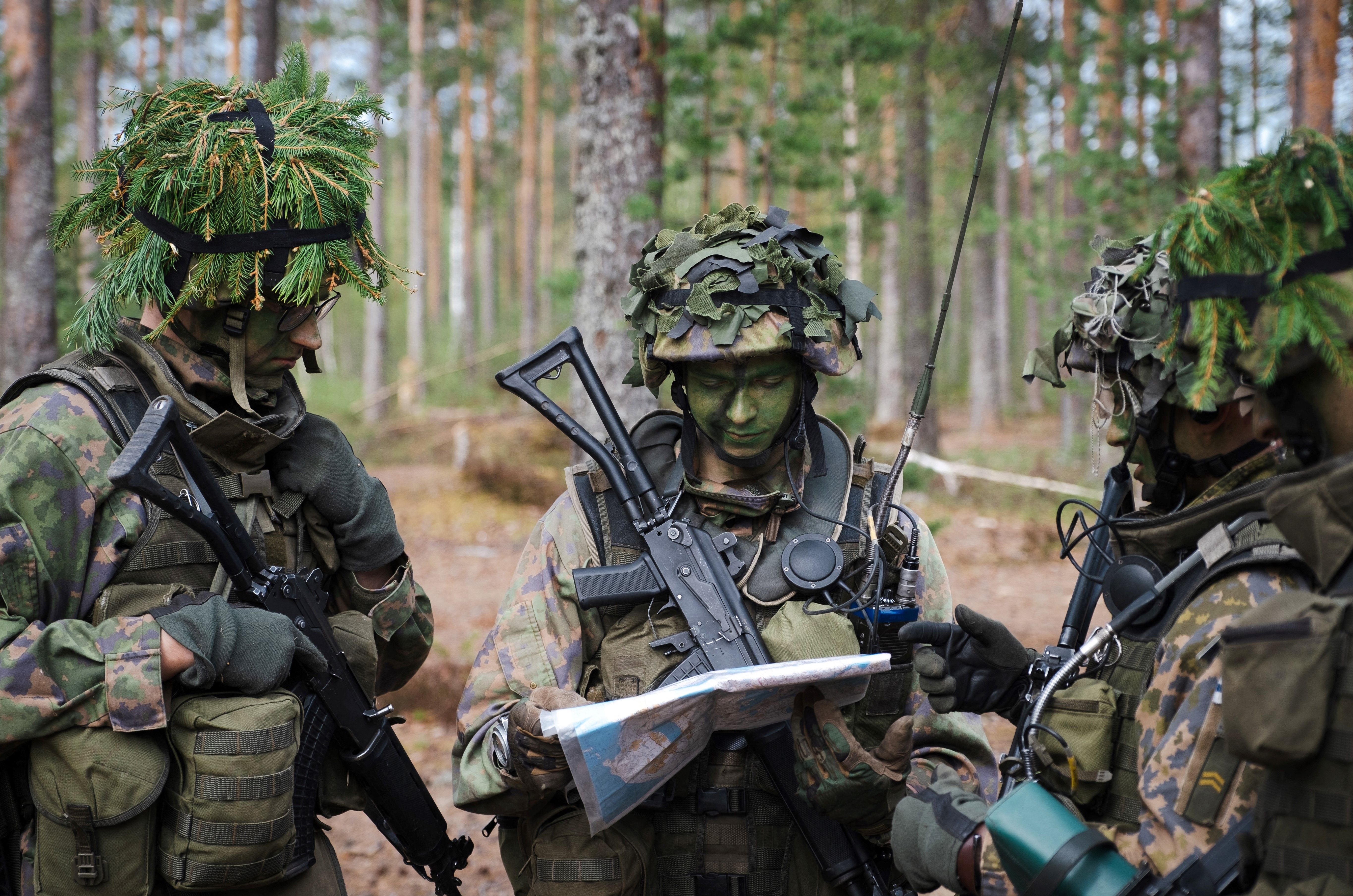
This is not a problem Sweden, Finland and other Eastern European countries appear to have; young people there, even if they don’t want to pick up a gun, seem generally more motivated to want to do something for the greater good of their country. In Britain, by contrast, whether it’s lingering post-colonial guilt, the rise of hyper-individualism or the fact that we basically lost the last two – long and unpopular – major conflicts we fought in Afghanistan and Iraq, when it comes to signing up for king and country, we have an “unwilling society”, says Chapman.
“I personally believe that if Gen Z knew what their vital interests really were – that, for example, the Russians could pound to bits the subsurface gas, energy and internet cables that power the digital economy in the life of every TikToker – they’d probably want to take some action”, he says.
There are also the limitations of what you’d do with the troops if you had them. “It’s not the raw figure which is really the issue; it’s what capability you have,” Chapman points out. Whether that’s a permanent fighting force or an army of reservists on standby, you need the right kit for them to use, and for them to be well-trained and ready for action. “You can have all the high-tech expensive equipment you want, but it’s no use if it’s not manned by well-motivated, well-trained people organised into units,” points out Ben Barry, former army officer and senior fellow for land warfare at the International Institute for Strategic Studies (IISS).
He cites Israel, which has a relatively small standing army but a large number of reservists thanks to its compulsory military service, as a good example. “They can mobilise hundreds of thousands of reserves very quickly – we saw it on 7 October. But they hold all the necessary equipment.” Britain, to put it bluntly, does not.
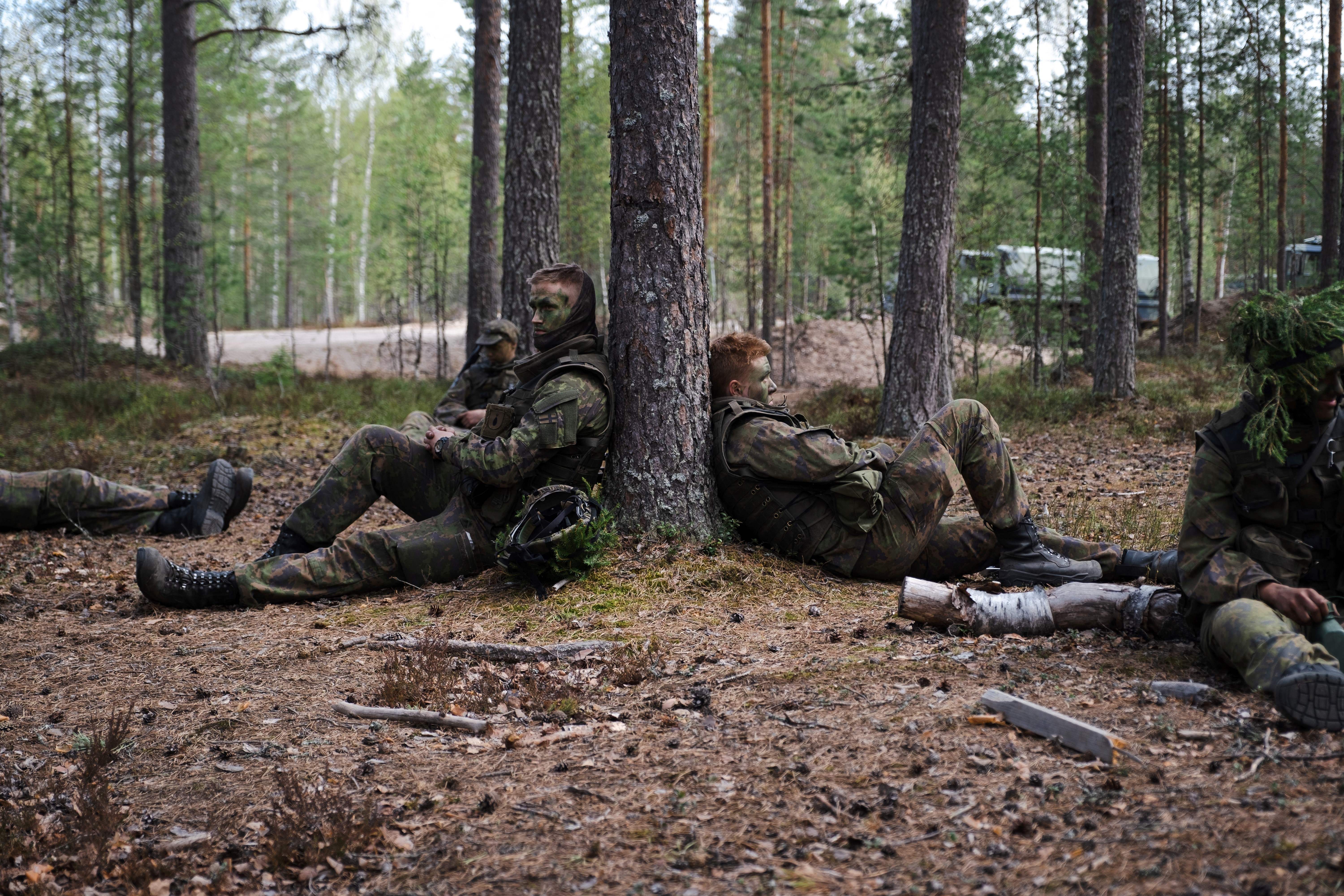
But it’s not just about military force either. As one unnamed senior army officer puts it, wryly, “this is not the army’s problem to solve”. “The lesson of Ukraine, and other recent wars, is that war isn’t just a military effort, it has to be a whole country effort,” says Barry. Preparing people for how to deal with emergencies should be part of the education system, he says. “Why isn’t first aid a compulsory part of the national curriculum? And, given the degree of cyber threat to our ever-more digital way of life, why isn’t cyber security?”
And if we are in our pre-war era, there are other things the country could be doing to increase our preparedness. Denmark and Sweden both maintain a siren warning system, which is tested regularly each year. Sweden’s outdoor signal horn is popularly known as “Hesa Fredrik” (Hoarse Fredrik) and is tested four times a year, on the first Monday that is not a public holiday in March, June, September and December. If citizens hear the siren outside of those times, they will know it is not a test.
In Switzerland, all housing is required to have its own nuclear shelter – it is one of the only countries in Europe to have enough bunkers to shelter its population from a nuclear blast. Finland has 50,500 civil defence shelters, capable of housing 4.8 million people, and in 2022, after the Ukraine invasion, there was a run on iodine pills after the government recommended households stockpile doses.
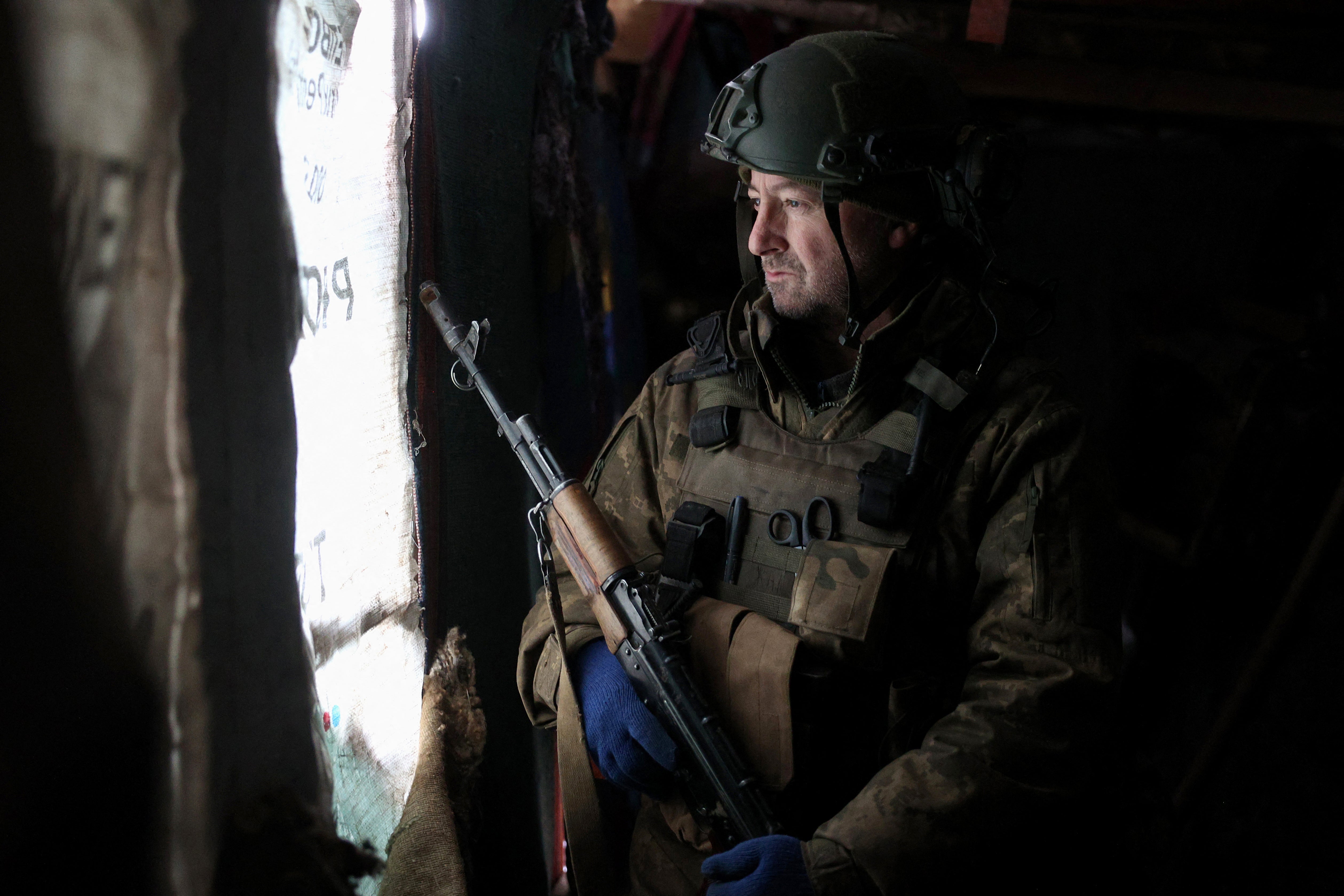
So are we in trouble? Might that citizen army that Gen Sanders referred to have to be mobilised by force after all? And – given the nature of warfare today – does it really matter if you can’t shoot a gun or drive a tank if you can fly a drone, or hack into an adversary’s cyber system? Surely these are the skills the conflicts of the future require – and the ones that Gen Z, if all accounts are to be believed – could be perfectly placed for.
Don’t be so sure, says Chapman. “Cyber and info ops are important, but if the enemy shows up in a tank, you’ve got to have a tank,” he says. Or at least, perhaps, know how to drive one. Something that Emmy Vilander, at least, knows how to do. Perhaps we Brits should be following her example.
Join our commenting forum
Join thought-provoking conversations, follow other Independent readers and see their replies
Comments
Bookmark popover
Removed from bookmarks