‘We walked over corpses’: Mother reveals journey out of hell in northern Ethiopia during Tigray war
Exclusive: Shushay and her six children were among three million people displaced from their homes during the conflict between 2020 and 2022
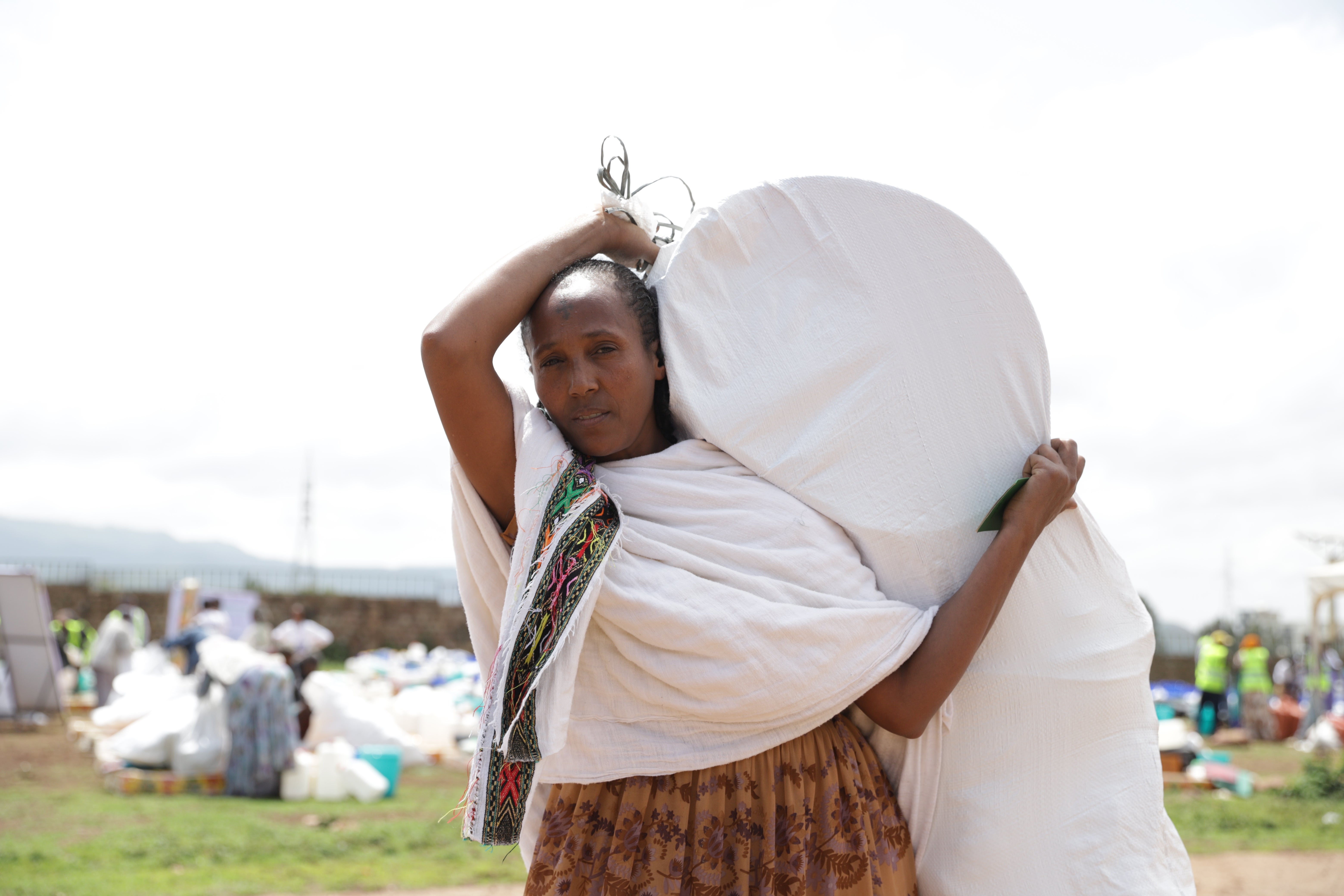
“When the enemy entered, we fled. Those who escaped, escaped; those who died, died. We walked over corpses. We were lucky to escape.”
Shushay and her six children were among the three million people displaced from their homes during the Tigray conflict between 2020-2022. Thousands of people were killed in the war that pitted local fighters against federal troops allied with fighters from other regions.
Three years later, she still remembers the “good life” they left behind in northern Ethiopia. She remembers the brothers and sisters who were unable to escape, her house with three rooms and a television, and the security of work and school for her children.
“Those who stayed behind were slaughtered and killed; we left them behind,” she reflected.
When the fighting spread to the Amhara and Afar regions, Shushay and her family fled on foot, sleeping in the bush without cover for “almost a month”.
During the military advance, she says, some people were “taken”. Others were “beaten and sent back”. “Those who were to be killed were killed.”
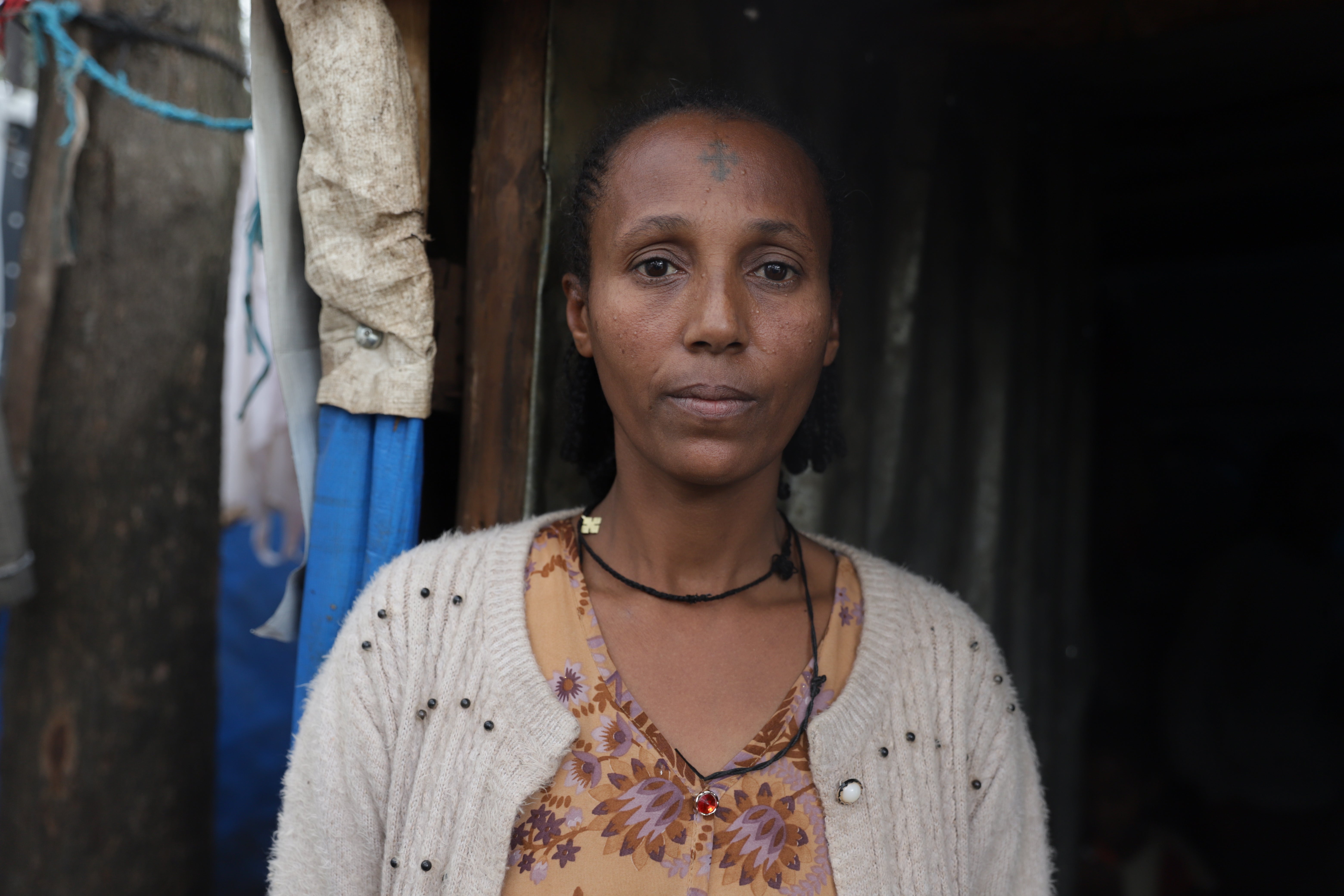
Shushay, now 40, and her children eventually settled at a camp for internally displaced persons, where they still live. She is today among tens of thousands of people living in the grounds of a school in Shire City.
“There is no work. I wake up in the morning, and there is no breakfast. They eat once a day. I stay and play with my children until that one meal. We need everything,” she says.
British charity ShelterBox and PAD were able to help Shushay and her family with blankets, a mosquito net, a kitchen set and a dignity kit with sanitary pads among other essentials.
Their work is ever more vital as cuts to international aid continue to hamper the plight of people building back their lives, even years after conflicts have ended.
Funding shortfalls have seen aid agencies globally cut emergency relief supplies by 70 per cent this year.
Ethiopia, still with its own crisis of internally displaced people, is now the second-largest refugee-hosting country in Africa, with many arriving due to conflicts in Sudan and South Sudan, and drought in Somalia.
Shushay says their hope for the future “is to return to our homeland”.
“We wonder if they will return us to the land where we can work and eat. We used to celebrate holidays like Christmas (Lidet) well. We'd make popcorn and coffee and spend the day. But here, we don't know Christmas; we don't know the holidays. We spend them in the mud.”
Ceasefire was the watchword of 2025 as diplomats attempted to settle the world’s major conflicts. But around the world, deepening crises of war and natural disaster forced a record number of people from their homes.
More than 123 million people fled last year, compounding a 15-year upward trend, according to UN data on refugees and internally displaced people.
Insecurity plagues Ethiopia even three years after the conflict formally ended. The humanitarian crisis affecting 21 million people is exacerbated by the worst drought in 40 years, as well as seasonal floods and earthquakes. Those who were able to flee across the border into Sudan were soon swept up in the civil war, ongoing since 2023.
Kadir, 41, and his five children have been displaced within Ethiopia three times as a result of both violence and the climate crisis.
“We have been displaced twice before, and this is the third time,” he said. “After we arrived here, we faced harsh weather with intense sun and heavy rain. It was horrifying.”
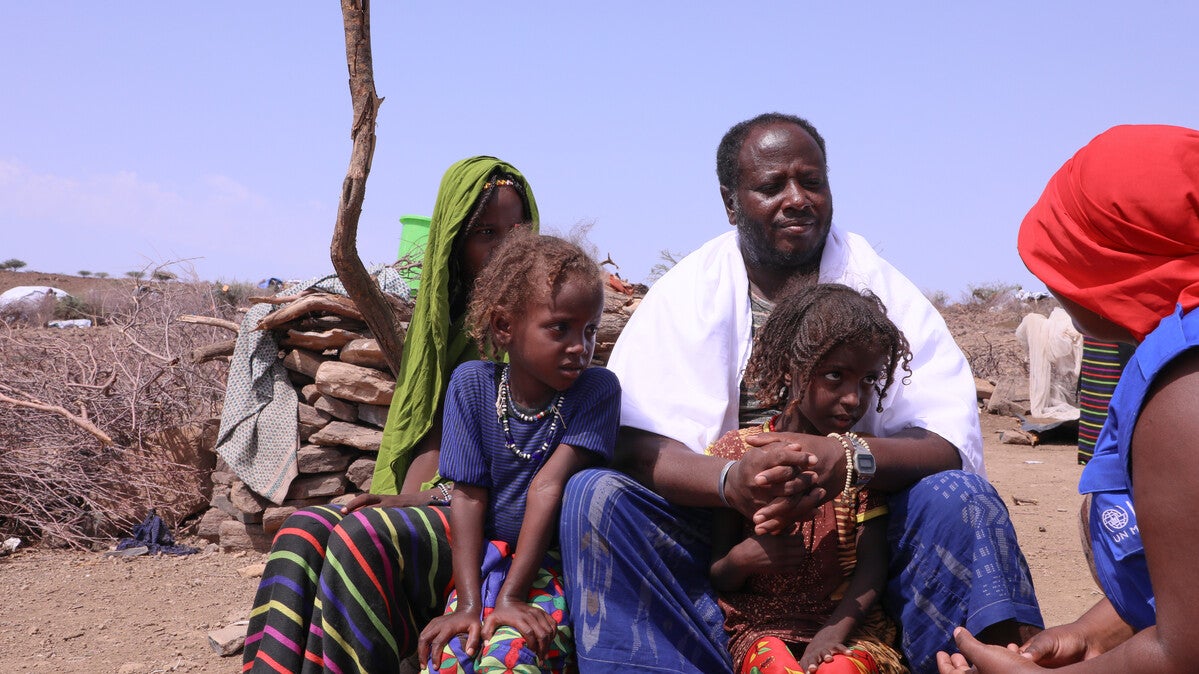
A long illness affecting his back and legs has stopped Kadir from being able to move on when conditions worsen.
“While others typically take two to three days to reach here, I require five days due to my condition.”
He relies on the kindness of the community to bring him flour and sell what’s left of his livestock. People like Kadir, with disabilities, benefited greatly from mattresses provided by ShelterBox this year.
Around the world, neglected crises continue to destroy livelihoods, leaving families without the tools to rebuild.
Still, a survey of Britons found that three quarters were doubtful of the impact of their donations on communities on the other side of the world.
A majority of people also say they are “not very knowledgeable” about displacement as it doesn't typically impact the UK.
And only 27 per cent believed climate change was one of the main causes of displacement.
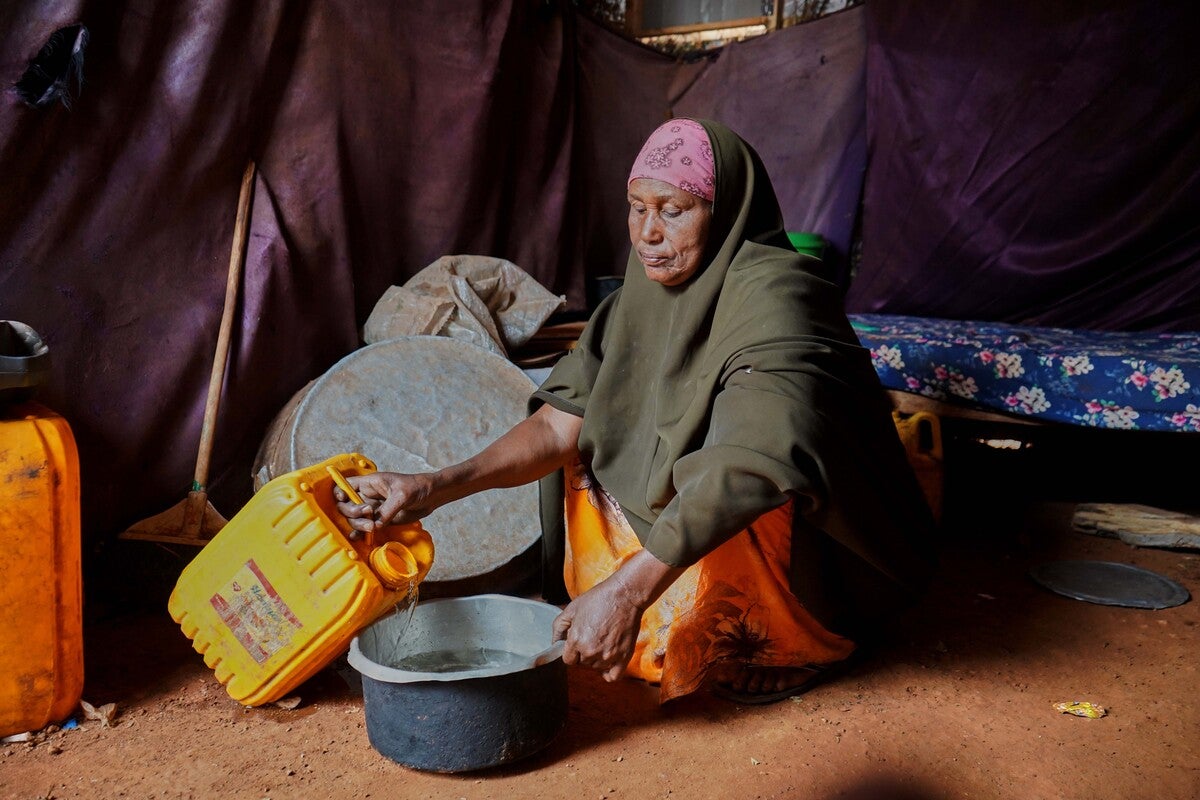
Nuria, from Somalia, told how drought had forced her to leave her village with her 10 biological and adopted children, away from the relative safety of her home and on a perilous journey through intense heat and heavy rains.
She had provided for her family by selling charcoal and wood until a fire destroyed her livelihood and the drought closed in.
“Agonising” regional violence then pushed them from place to place in “scorching heat”, as they begged for food, often going hungry.
Nuria, 58, and her children now live in a camp for internally displaced people in Baidoa. Since her husband died, she takes care of her children on her own.
Still, with help from Juba Foundation and ShelterBox she has managed to make a temporary home.
“We've settled in this residence, and no one is pressuring us to leave, which is a source of pride,” she says.
“I find contentment in my daily struggle for survival, rather than focusing on constructing elaborate houses. I have a strong desire to ensure a good life and proper education for my children.”
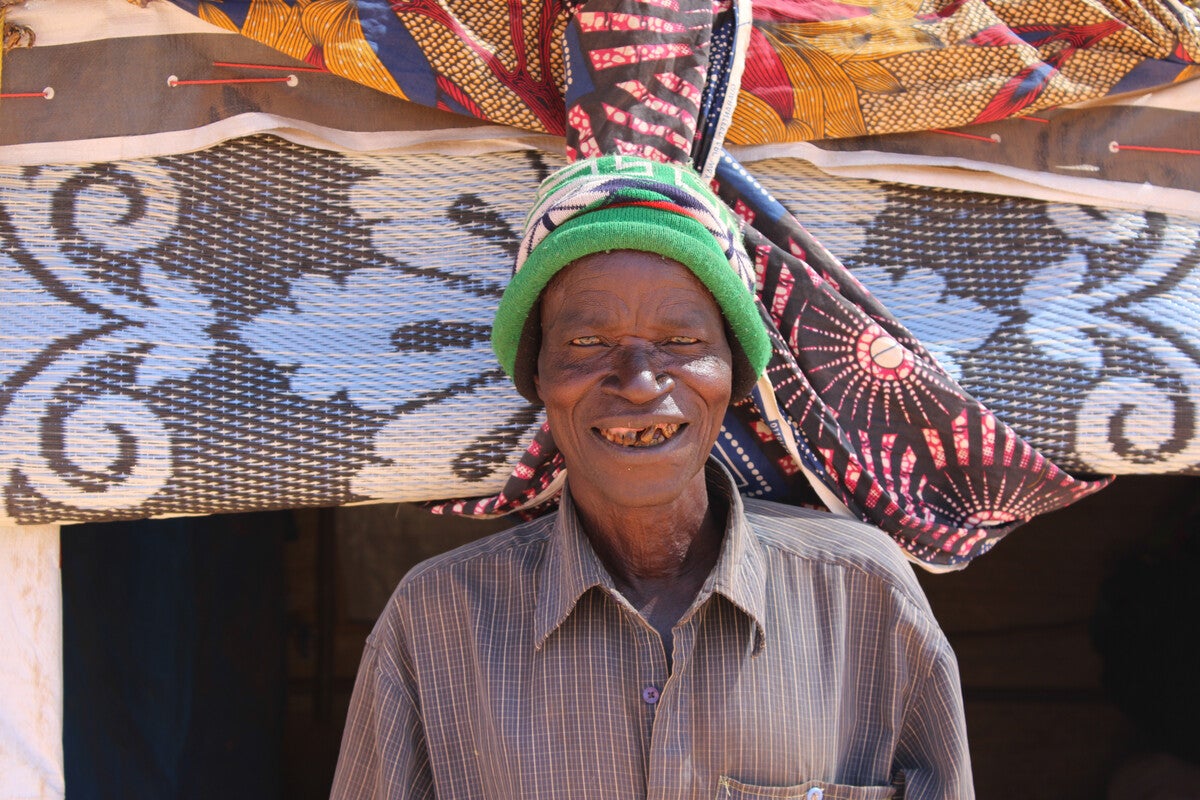
On the other side of the African continent, 60-year-old Raguianga laid bare how impactful foreign aid had been after his family fled violence and insecurity in Burkina Faso, which is facing widespread jihadist violence.
“The armed groups ... came to give us an ultimatum of ten days to leave the village or face reprisals,” he said from a refugee camp in Est region.
“We arrived here empty-handed because our lives are more precious than the riches we left behind.”
ShelterBox and HELP Burkina Faso helped construct emergency homes to support 1,000 displaced families.
“Our living conditions have greatly improved,” Raguianga said. “The shelter allows us to live with dignity.”
Join our commenting forum
Join thought-provoking conversations, follow other Independent readers and see their replies
Comments
Bookmark popover
Removed from bookmarks