World’s top cocoa producer sees crops flourish amid unseasonal rain
Farmers across key cocoa-growing regions welcomed last week's rains
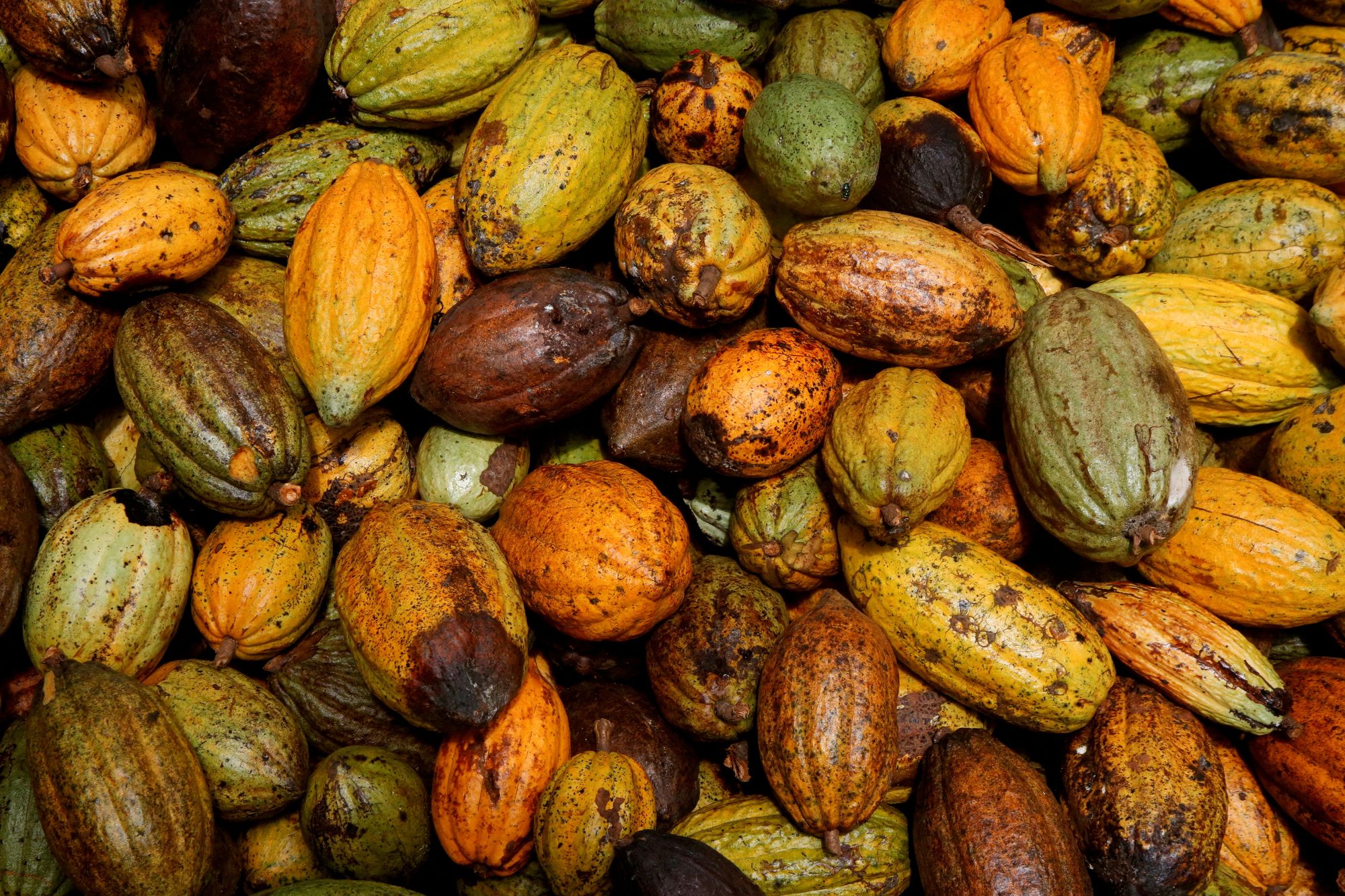
Ivory Coast, the world's leading cocoa producer, has seen beneficial light rains across its main growing regions last week, which farmers anticipate will significantly bolster the development of the crucial April-to-September mid-crop.
Despite the West African nation currently being in its official dry season, which typically runs from mid-November to March, farmers have welcomed the above-average precipitation.
They report that the moisture is supporting the growth of numerous small pods already on trees and that cocoa plants are showing no signs of stress.
Growers expressed optimism that consistent weekly rainfall through to mid-March could lead to a mid-crop harvest that surpasses last season's output.
Overall, conditions for the mid-crop are currently considered more favourable than those experienced during the previous season.
"The trees are doing well. Starting in May, we will have enough cocoa," said Romain Koua, who farms near the central region of Yamoussoukro, where 14.5 mm fell last week, 7.9 mm above the five-year average.
Farmers were also hopeful in the central region of Bongouanou, where rains were above average, and in the centre-western region of Daloa, where rains were below average.
In the western region of Soubre and in the southern region of Divo, where rains were below average, as well as the southern region of Agboville and the eastern region of Abengourou, where rains were both above average, farmers said they anticipated a tepid start to mid-crop harvesting in April, with a gradual increase from May through September.
"Many small pods are growing larger. We hope that the beans will be large," said Dominique N'Takpe, who farms near the southern region of Agboville, where 22.8 mm fell last week, 14.5 mm above the five-year average.
The weekly average temperature ranged from 27.9 to 31.7 degrees Celsius.
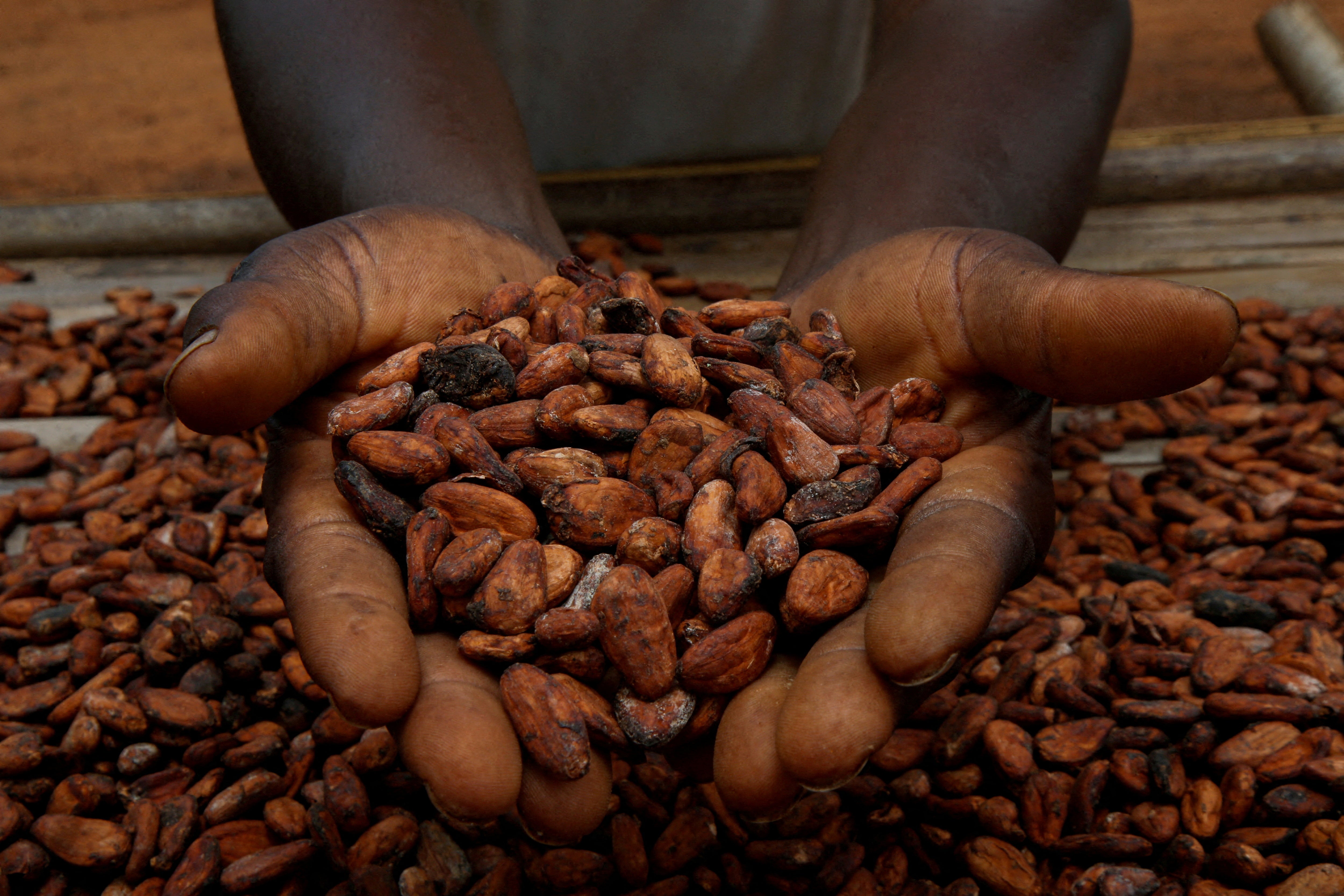
The news comes after the country said it will buy unsold cocoa stocks to keep exports flowing and ensure farmers are paid, as global prices have plunged in recent months.
Since October, falling global cocoa prices in the West African country have slowed exports, causing unsold stocks to build up.
Synapci, the Ivory Coast's main cocoa farmers’ union, estimates that 700,000 tons of cocoa remain unsold and therefore unpaid.
Some farmers, deprived of income for nearly two months, have been forced to sell their stock at a discount or destroy rotten cocoa, plunging them into severe hardship.
Join our commenting forum
Join thought-provoking conversations, follow other Independent readers and see their replies
Comments
Bookmark popover
Removed from bookmarks