The race to save fish as old as dinosaurs from extinction
The young fish are about the size of a small pencil
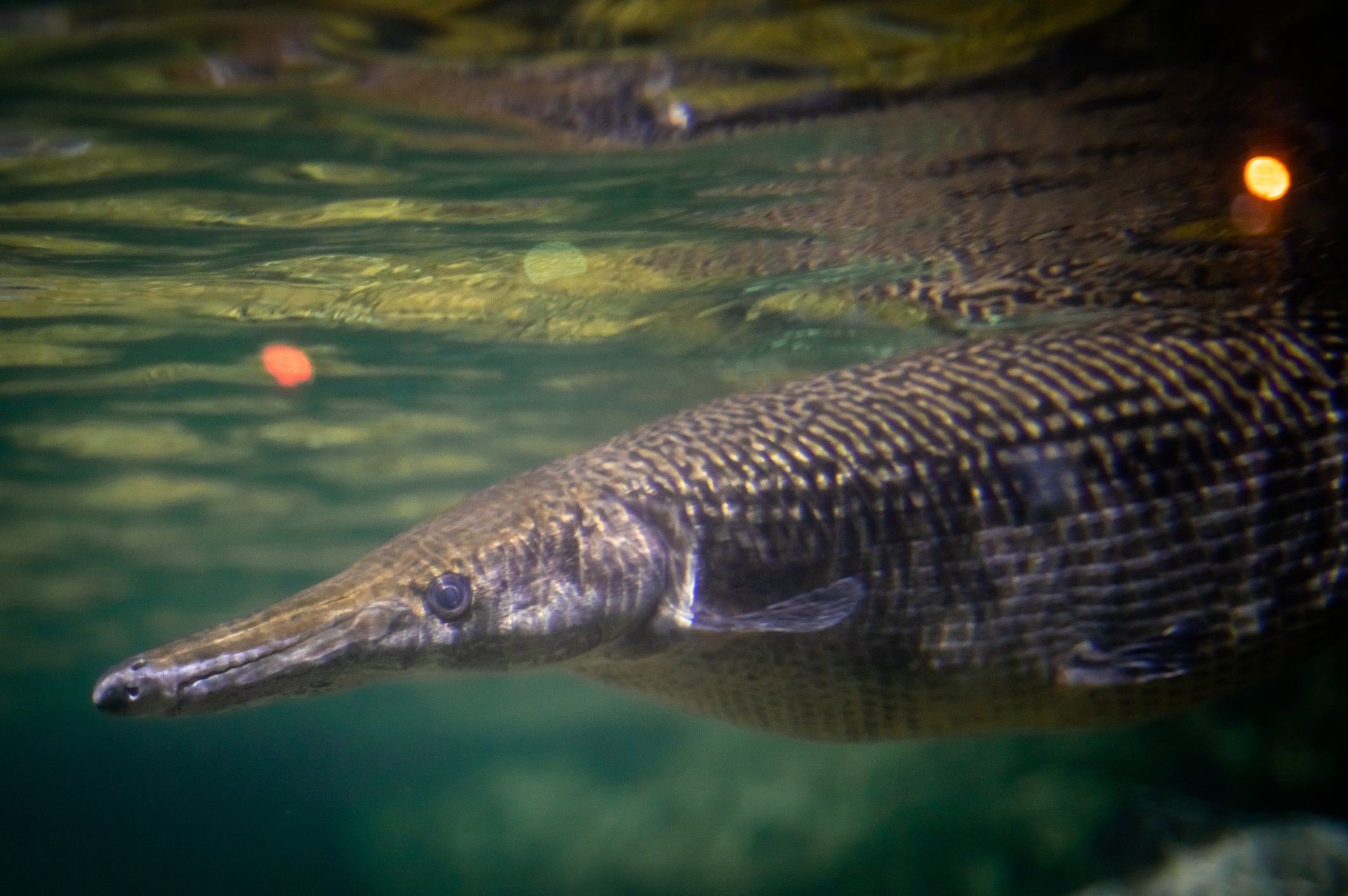
Deep within the mosquito-ridden Zapata Swamp, the Caribbean's largest intact wetland, a dedicated restoration effort is underway to save the manjuari, or Cuban gar, from extinction.
This humble initiative targets a unique species facing critical threats.
Park biologist Andres Hurtado, fending off a descending swarm of mosquitoes, describes the gar as "a jewel among Cuban fishes."
He adds, "They’re a biological relic that has lived 140 or 150 million years and only now is at critical risk of extinction."
The garfish, a long, slender creature with a snout filled with sharp teeth, was officially classified as "critically endangered" on the International Union for Conservation of Nature (IUCN) red list in 2020.
Its sudden and precipitous decline stems from centuries of exploitation, significant habitat loss, and the devastating 1999 introduction of the African Walking Catfish, a voracious invasive species that has ravaged the once-pristine swamp.
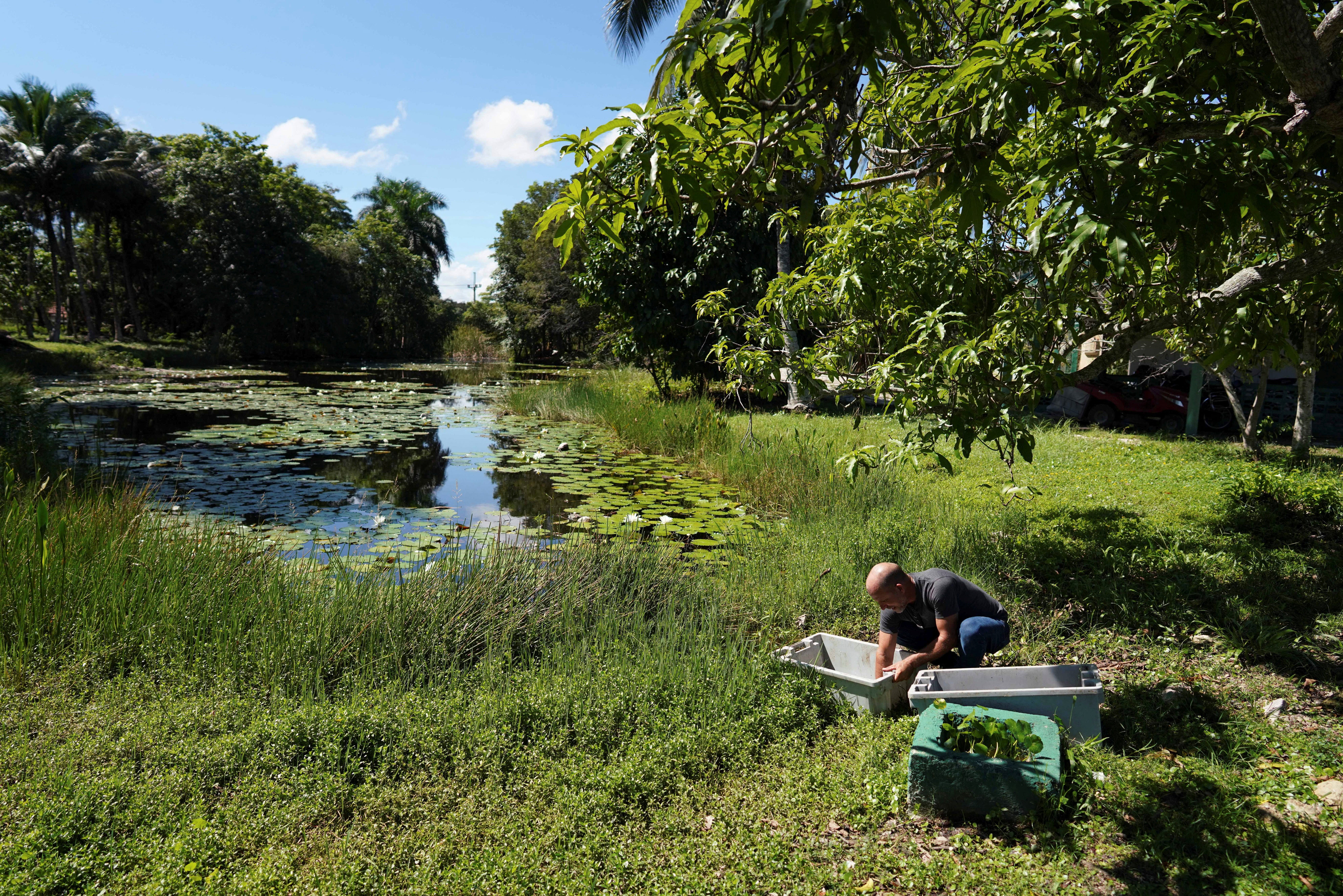
Hrtado's answer to these pressing challenges began at a hatchery situated near the wetland.
There, his team devised a method to reproduce the finicky manjuari and produce the food necessary to rear them before releasing them into the wild to bolster the swamp's ailing population.
Isolation, mosquitoes, shortages of supplies and the fish’s reclusive habits make it difficult, if not impossible, to precisely gauge the project's progress.
The young fish are about the size of a small pencil. Dark and camouflaged, they hide among impenetrable tangles of mangrove roots and are quickly lost upon release.
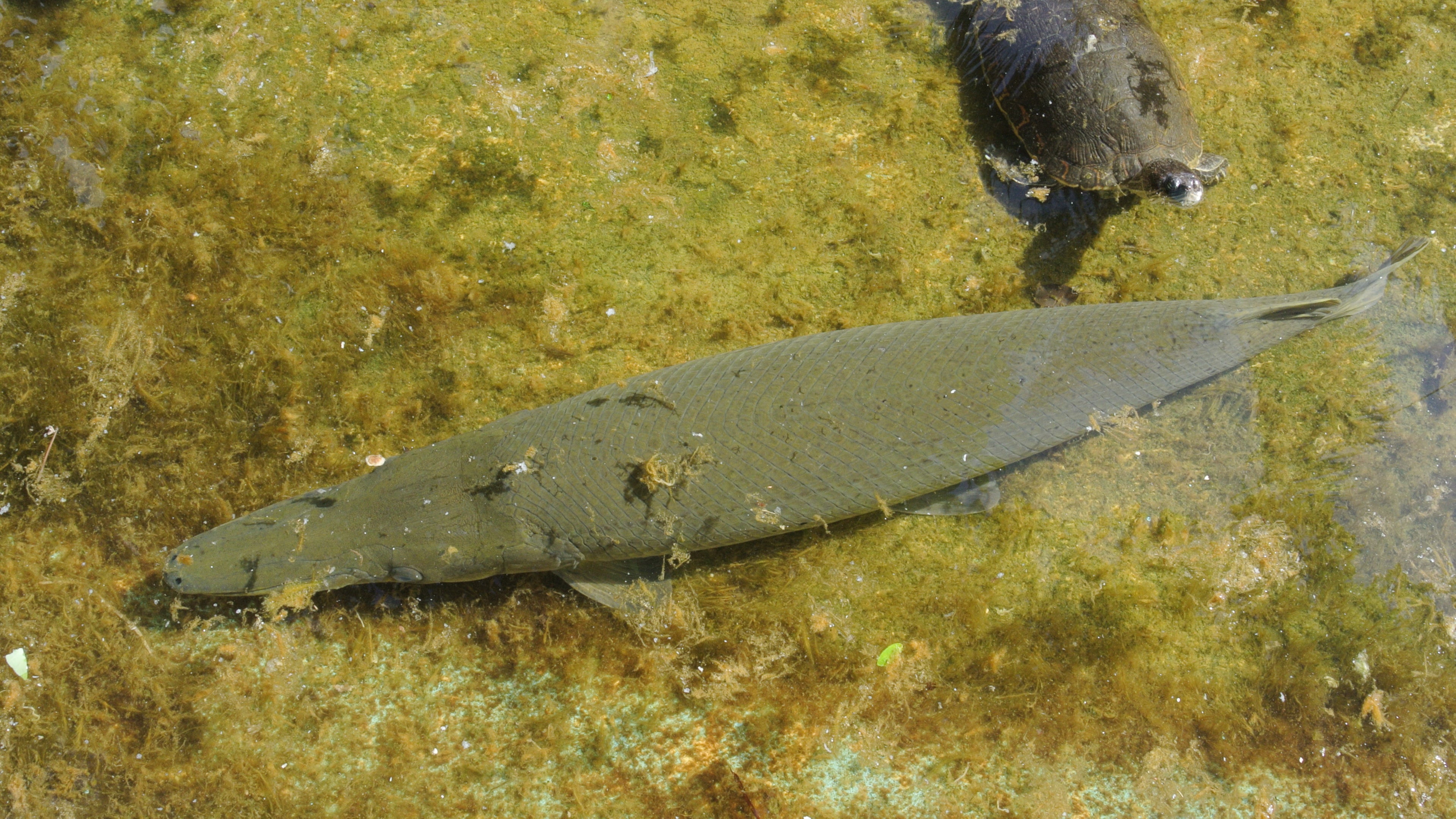
There are signs the project may be doing some good, scientists say.
"Local fishermen tell us the manjuari are here," said Eduardo Abreu, an administrator at the Cienaga de Zapata National Park.
"Perhaps they are not as abundant as in the past, but they are here, and there is an established population."
Join our commenting forum
Join thought-provoking conversations, follow other Independent readers and see their replies
Comments
Bookmark popover
Removed from bookmarks