Tis the season for the scammers: Experts warn of 8 ways you can be duped this holiday
Some seasonal job ads are also not all they are cracked up to be
Scammers are gearing up to exploit shoppers this holiday season - and AI is a key part of their criminal toolbox.
The Internet Crime Complaint Center, run by the FBI, receives more complaints in the early months of the year, suggesting a correlation with the most recent holiday shopping season.
And AI tools are allowing them to hatch even more sophisticated plots to separate people from their money.
"Scammers aren't just slapping a logo on a fake site or sending poorly written emails anymore," said Rod Schultz, CEO of AI-focused cybersecurity company, Bolster AI.
"Today, they're using AI and kits purchased on the dark web to build complete storefronts, using fake chatbots to provide customer service, and running ads for fake stores on social media that look and feel like your favorite brands."
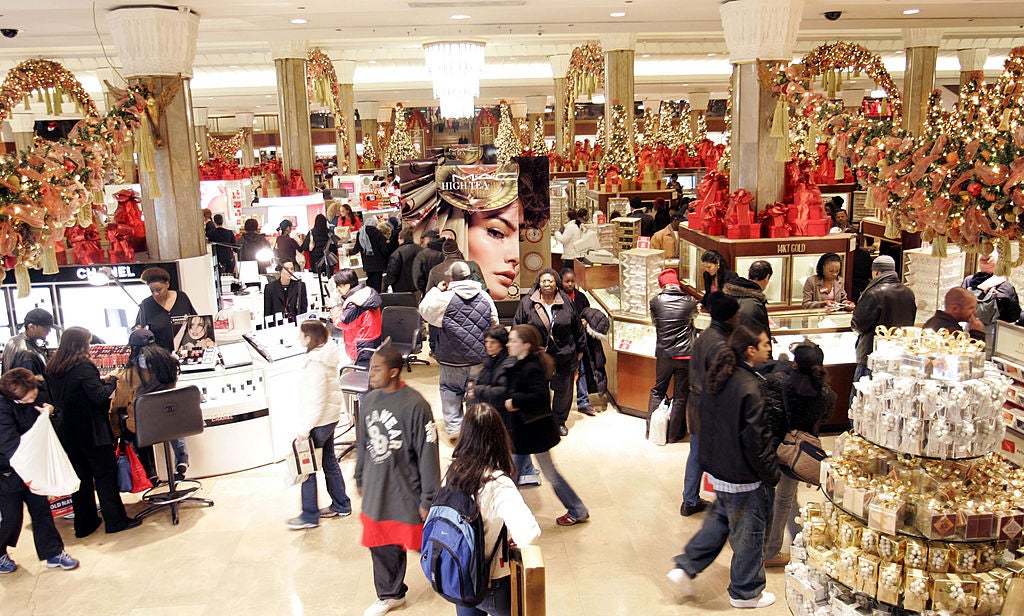
Here are some of the scams that shoppers — and sellers — should watch out for this holiday season.
Dicey deliveries
Messages impersonating delivery services like UPS, FedEx, the U.S. Postal Service, and Amazon are becoming more common. Delivery notification scams were 105.8 percent higher in November than this time last year, according to Bolster AI.
Scammers will send fake messages telling people of a "missed delivery" to their home, or that they need to pay a "customs fee." Victims assume the messages are legitimate and are roped into sending money for a package that doesn't exist.
UPS, FedEx, Amazon, and the USPS have all posted guidance online for identifying and avoiding scams while using their services.
Digital storefront swindlers
As the name suggests, these are online marketplaces created to appear legitimate, where premium clothing or retail brands are advertised at 60-90 percent discounts.
The sites pull in victims through social media ads and SEO placement. These "stores" purely exist to harvest credit card data. Cybersecurity and anti-virus company Norton reported in April that more than 1,000 new fake e-shops are emerging every day.
The FBI recommends that shoppers research digital outlets they're buying from for the first time, and check for reviews.
The agency warned that if a site does not have "https" at the start of its web address, it shouldn't be trusted with you sensitive information.
Present danger
Non-delivery scams are a catch-all term for when a customer buys an item but it never arrives. There’s also an inverse to this that targets sellers — the non-payment scam.
The latter involves criminals purchasing a good or service — usually paying with gift cards or wire transfers — but never actually sending the money.
According to the FBI, "non-payment and non-delivery scams cost people more than $785 million" in 2024.

Click — and beware
Like phishing — which uses email to dupe people into handing over sensitive data — smishing works with text messages.
The rising popularity of smishing can be attributed to the fact that everyone has a phone, and that email filters have gotten better at stopping scams from reaching targets.
The goal of the smishing scammer is to use "phony messages and malicious links to fool people into compromising their mobile phones, bank accounts or personal data," according to IBM.
Bolster AI is projecting a 122 percent increase in smishing attacks for November 2025 over the same period last year.
Questionable QR codes
Not unlike smishing, QR codes provide scammers a way to bypass email url filters. These scams involve criminals embedding malicious QR codes into posters, mailers, and text messages, which when clicked will send the victims to sites where their data can be stolen.
“As with many technological advances that start with good intentions, QR codes have increasingly become targets for malicious use. Because they are everywhere — from gas pumps and yard signs to television commercials — they’re simultaneously useful and dangerous,” Dustin Brewer, the senior director of proactive cybersecurity services at BlueVoyant, told NBC News earlier this year.
Bad bids
This scheme occurs when a seller misrepresents an item up for auction on a site like eBay. In 2020, people bid thousands of dollars on Playstation 5 boxes advertised by auction fraudsters on eBay but the website managed to take the listings down before any money changed hands, according to Eurogamer.
The FBI warned consumers to be "wary of sellers who post an auction or advertisement as if they reside in the U.S. but then respond to questions by stating they are out of the country on business, family emergency, or similar reasons."

Gift card grift
If a vendor only accepts payments in gift cards — or a buyer insists they can only pay you in gift cards — run. Gift cards are preferred by scammers because, unlike cash, there's now way to trace or reverse payments once a transaction has been made.
In 2023, gift card fraud accounted for $217 million of the $10 billion lost to scams that year, according to Stateline.
Consumers put themselves at risk if they pay for goods and services with gift cards, prepaid cards, cryptocurrency, money orders, or wire transfers. The FBI warns that consumers should never wire money directly to a seller, and should only pay for goods and services with cash or major credit cards. The agency does not offer specific guidance for using apps like PayPal or CashApp during holiday shopping, but both PayPal and CashApp have provided guidance for avoiding scams while using the platforms.
Not-so jolly job offers
Job scams don't only steal money from people, they take from those who are likely desperate for work and struggling financially during the holidays.
Scam jobs will often require some kind of paid registration, upfront payment, or training fee. But in a lot of these cases, the scammers take the money and run.
The Better Business Bureau, a nonprofit aimed at helping consumers identify trustworthy businesses and report scams, advises job-seekers to never pay an employer up front for a job.
"These expenses are the employer's responsibility - and asking for money is a big red flag that something is wrong," the nonprofit warns.
The BBB also advises that job seekers to be wary of any gig that doesn't require an interview or promises big pay for little work, and to never work for a company before they agree to hire you.
Join our commenting forum
Join thought-provoking conversations, follow other Independent readers and see their replies
Comments
Bookmark popover
Removed from bookmarks