They thought their father abandoned them. A chance encounter set them on a much darker path
Dotty Carroll had been telling her children for decades that their father, George, had gone out for cigarettes one day and never returned. But then a chance meeting started the siblings down a path to the truth, Sheila Flynn writes
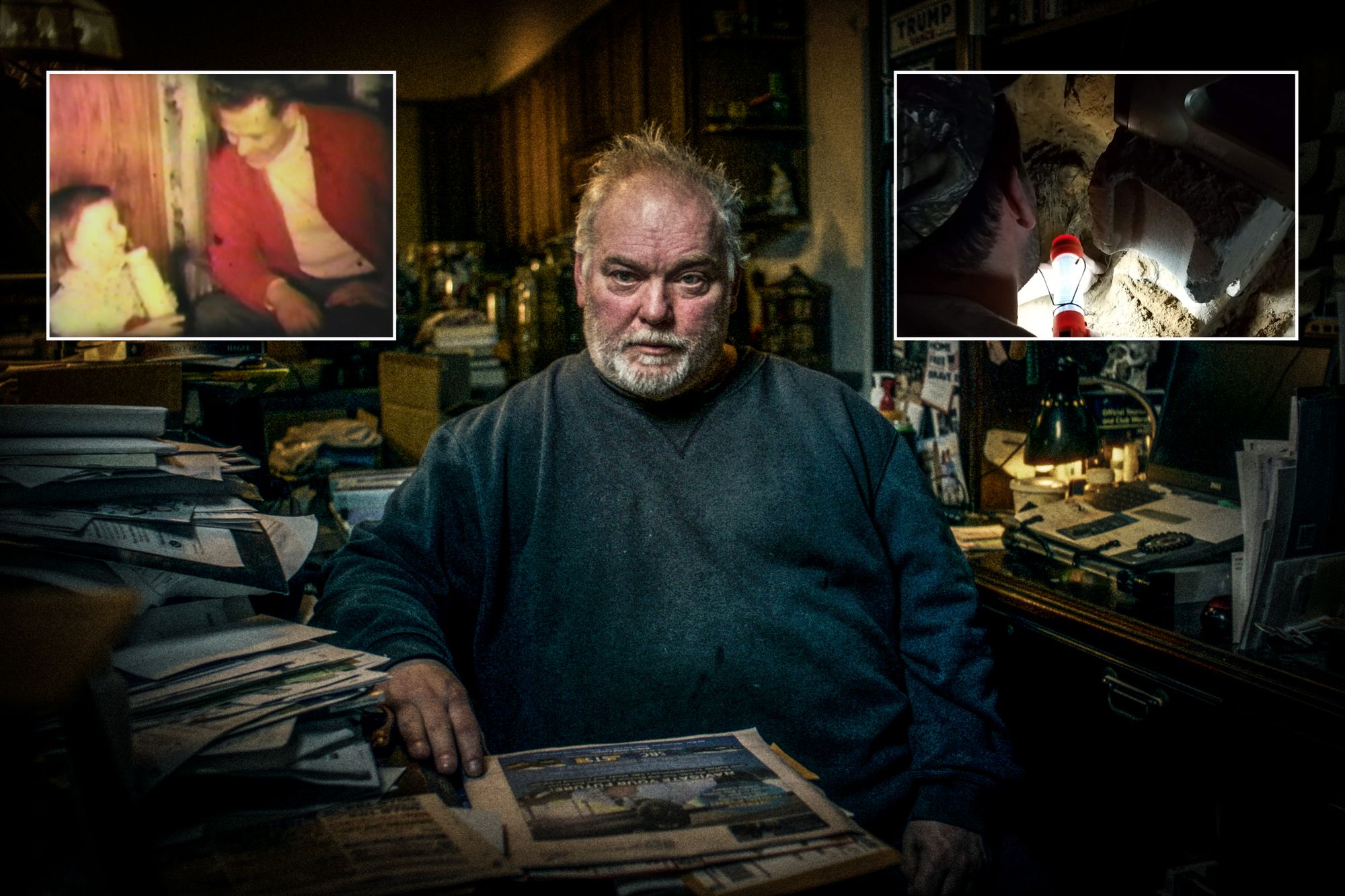
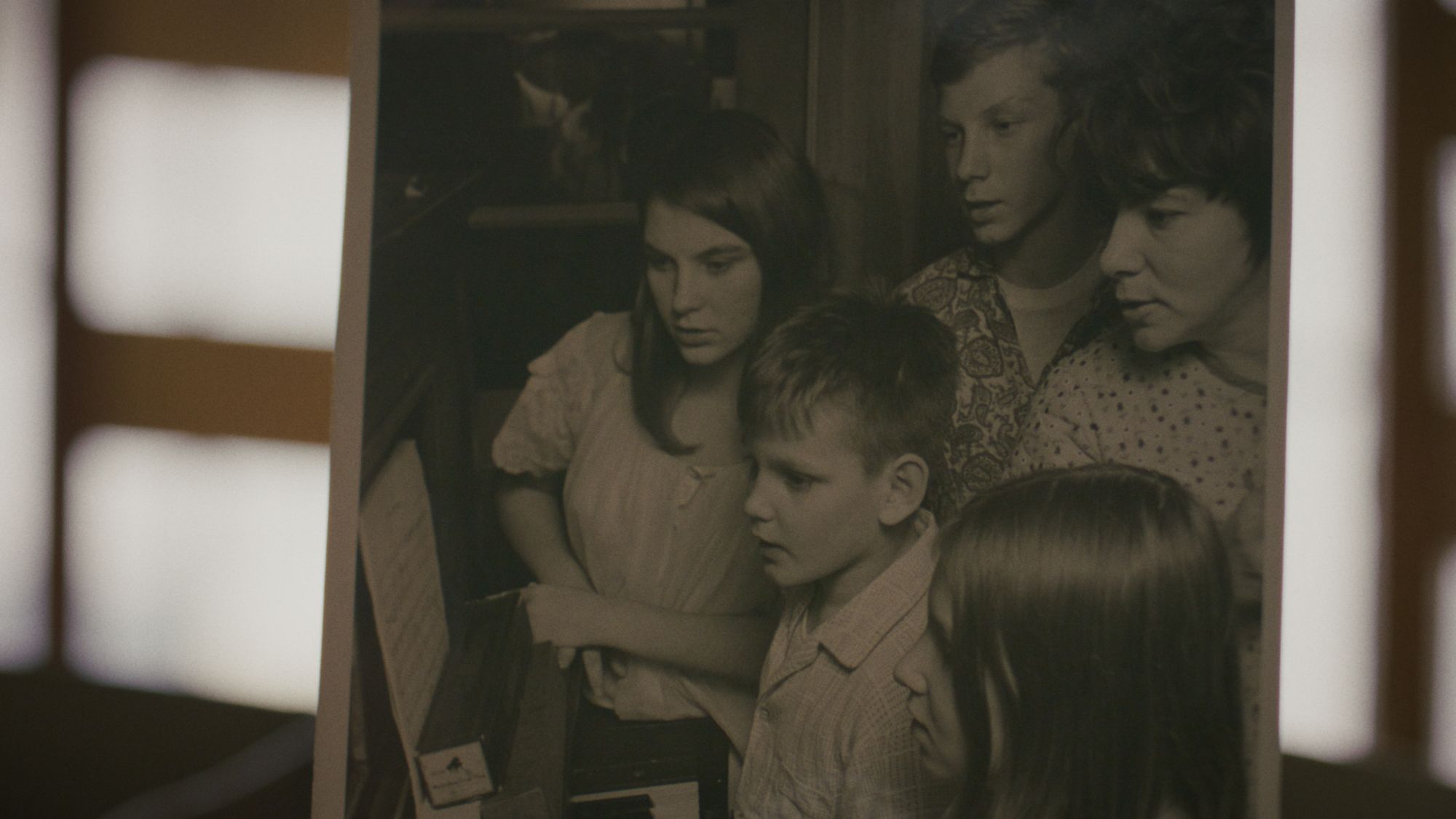
Long Island grandmother Dorothy “Dotty” Carroll was on her deathbed in 1998 when her second-youngest child, Mike, made a last-ditch attempt to find out what had happened to his father.
Dotty, 64, had been telling the family since the 1960s that George Carroll, a Korean War veteran, had gone out for cigarettes one day and never returned. She’d tell his four children, for years: “Don’t even think about him. He wasn’t a good guy.”
As time wore on, however, the couple’s two sons and two daughters began to question that vague story.
“I asked her, ‘Mom, can you tell me anything about that? Can you tell me anything about that before you leave?’” Mike Carroll says in new ID/HBO Max documentary, The Secrets We Bury, which explores his family and the mystery.
“April 17, I remember, 1998. My mother literally turned her head, winked at me, never said a word, then passed away. Whatever secret she had, she went to her grave with that.”
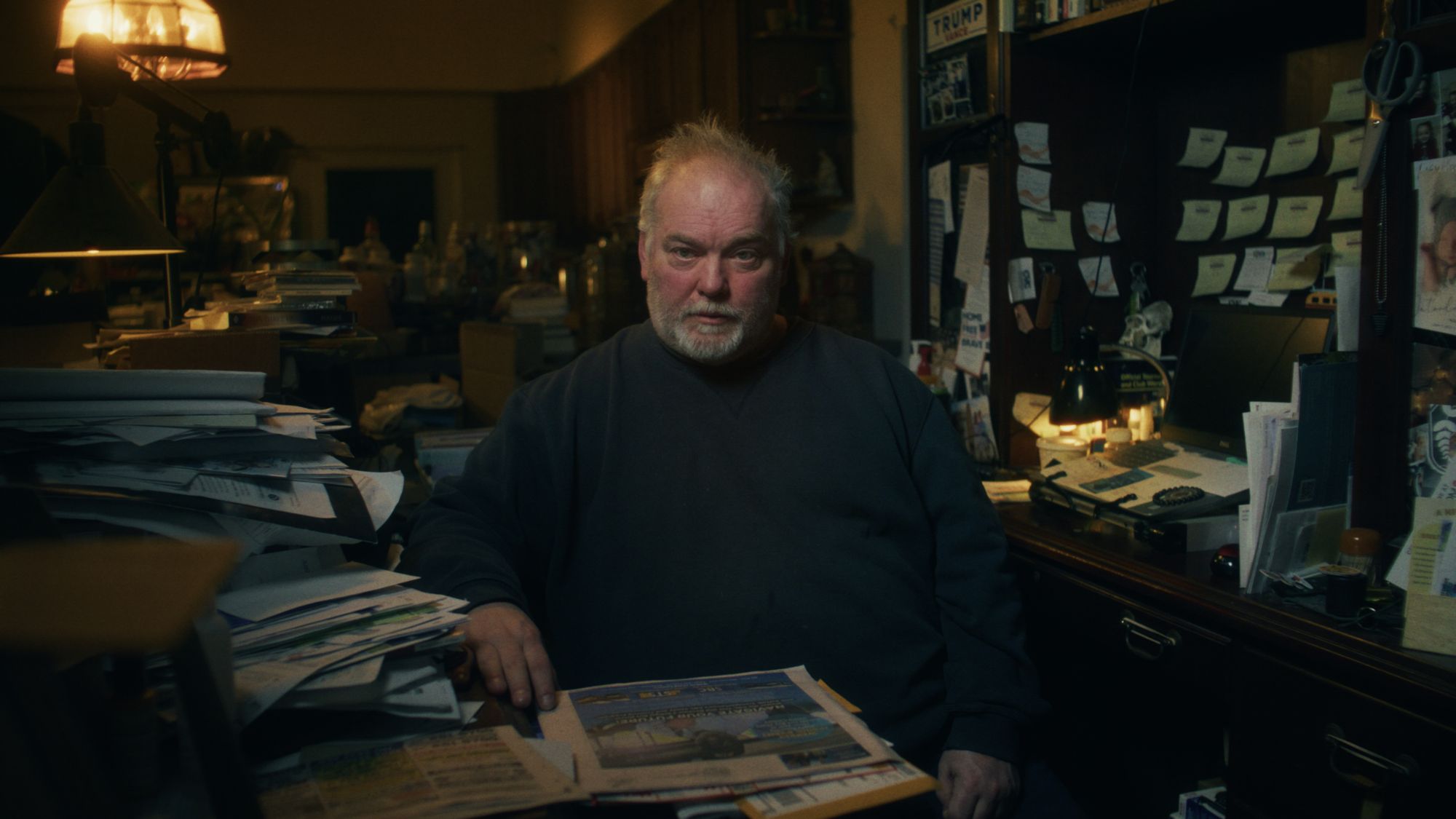
Mike was still grieving when, just a few months later, he got called into work as a respiratory therapist in the middle of the night - and found himself tending to a patient who announced that he was his uncle. George Carroll’s family, for decades, had apparently had their own theories about the veteran’s vanishing act.
“He goes, ‘He would’ve never left four kids,’” Mike says in the documentary. “‘We have suspicion that something weird happened. There was construction being done at the time, and we believe, because the opportunity was there, that he was actually buried under your house.’”
His uncle began speaking negatively about Dotty, so Mike shut the conversation down. But the coincidence and the information nagged at him. At the same time, his siblings were also pushing for answers - particularly the oldest, Jean Kennedy, seven years Mike’s senior.
They realized no missing person report had ever been filed on their father. He’d never picked up his last pay check. Detail after detail seemed to point to foul play.
Jean convinced her brother to accompany her to a psychic, who spent the first hour talking about other family matters and left a skeptical Mike even more dubious. He told the medium that he was unsatisfied - and he only wanted to learn about his father.
“She goes, ‘Oh, when it comes to the “M” word, [I] normally don’t say anything until you give me the permission to do it,’” Mike says in the film. “I said, ‘What’s the “M” word?’”
“Murder,” the psychic responded.
She told the siblings that their father had been killed and buried in the family basement - pointing to the exact location and describing a gun-practice target on the wall that Mike remembered from childhood.
After that, Mike started digging. He’d bought the home from his mother while she was still alive, and he began taking apart the basement, piece by piece. The rest of the family, except Jean, thought he was “crazy” – but Mike’s two sons agreed to help him. They even brought in a ground-penetrating radar company, which discovered a five-foot-five square disturbance under the floor. But digging there turned up nothing.
.png)
-(1).jpg)
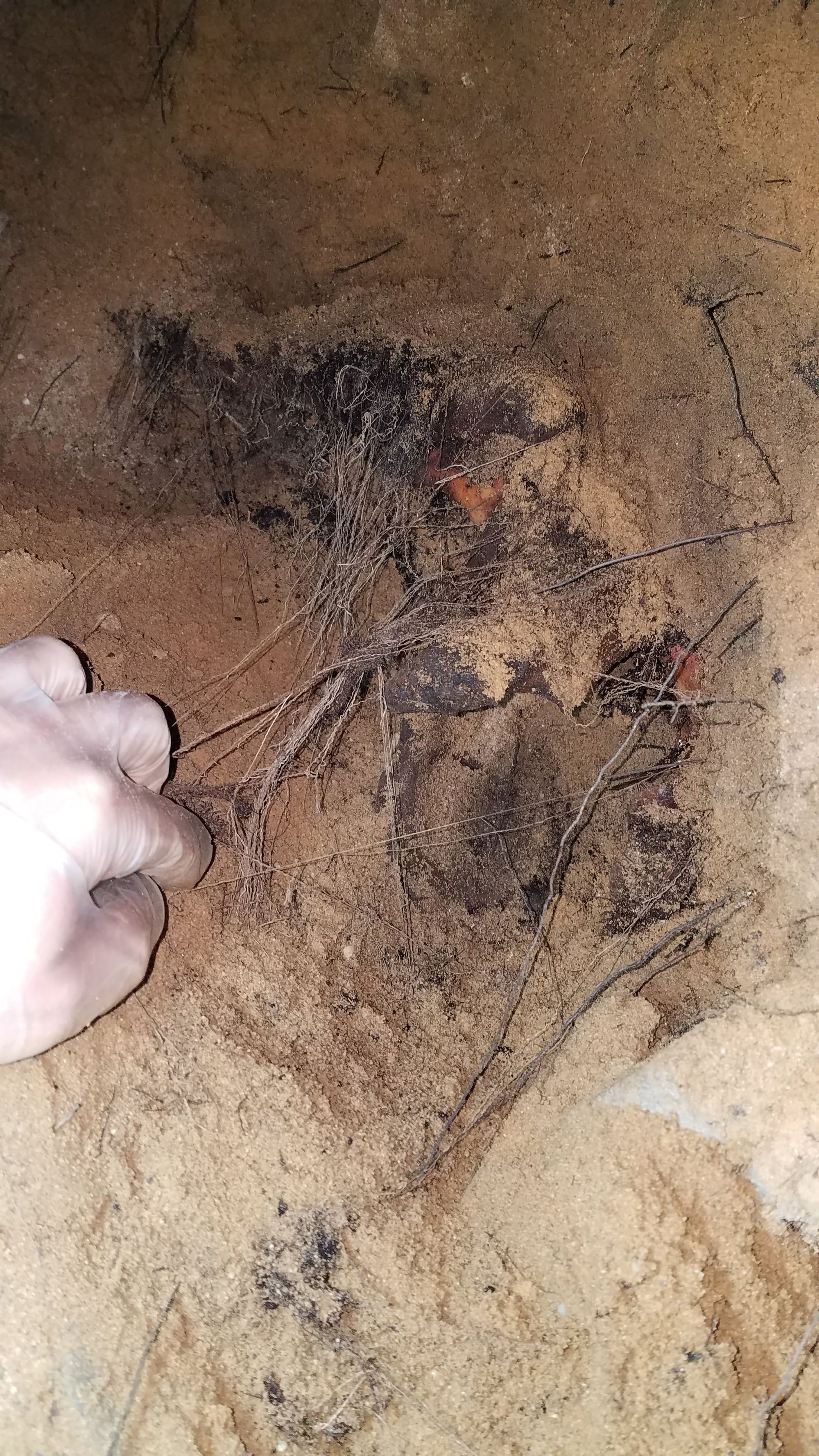
Still, they continued, digging multiple times a week and sometimes into the night. Eventually, they uncovered a wall, and then a vault. On the night before Halloween 2018, they discovered clothing. And bones.
The next day, they called police. The discovery of George Carroll’s remains, and the investigation surrounding it, soon hit the local papers.
Reading the news was director Trish Gillespie, who had just finished filming in Canada and was looking for a new project to work on. She was living in Brooklyn, about 50 miles west of the Carrolls’ home - and, about a week after the discovery, she met Mike at a local Dunkin Donuts.
“We had like a five-hour cup of coffee,” she told The Independent. “And then, at the end of the evening, [Mike] said: ‘I want to show you something.’ And he took me back to his house and took me into the basement.
“And I remember standing there, over this giant hole in the basement, being like, ‘I’m really lucky that this is a good man,’” she said. “It’s something I wouldn’t do now; I was in my late 20s then. I’m not sure I would trust anyone that much again, but I’m glad the person I trusted that much was Mike. And that sort of spurred this years-long project.”
Mike and the rest of his family came to trust Gillespie, too. So much so that, years after the discovery, they felt ready to make a documentary. Filming began about two years ago.

“They were sort of reckoning with the mystery that came out of the mystery,” Gillespie says. “One of the things that’s so compelling about this story, to me, [is that] … like half of murder cases aren’t actually cleared or adjudicated. There’s a lot of unsolved cases, like this one.
“And as media consumers, we don’t really feel that, because the stories that we get told usually have a pat ending, or they end up in court, or … at least the court of public opinion is able to blame somebody. And this is really an example of a story where that doesn’t happen.”
The Carroll family began uncovering more mysteries as time went on. Dotty had remarried following her husband’s disappearance, welcoming a son with new spouse Richard Darress. The siblings figured out that he’d been living in the house before Carroll vanished, helping with construction.
They discovered unsavory things about Darress’ behavior after he and Dotty divorced - and secrets came out about his treatment of the Carroll children before that, too.
But by the time the discovery and documentary rolled around, Darress, like Dotty, was dead. His son, and the Carrolls’ half-sibling, is also interviewed in the film - and grapples with what he did and didn’t know about his father.
“A lot of times, we can think we’re looking for revenge or justice or an answer and that that will fix things for us - but so often, even when the case is able to be adjudicated, that’s not true,” Gillespie says. “The antidote to those feelings of grief or loss is not really justice - it’s like love and understanding and acceptance.
“And I think, because of the nature of the story, you see this family dive into so many deeper mysteries after that initial mystery is uncovered - and through those mysteries go through the process of learning how to listen to each other, learning how to love each other, learning how to accept differences, learning how to change your mind.
“And that, to me, was the most compelling part of the story,” she told The Independent. “There’s a twisty-turny true-crime drama here, for sure, but what’s so interesting to me is that family drama.”
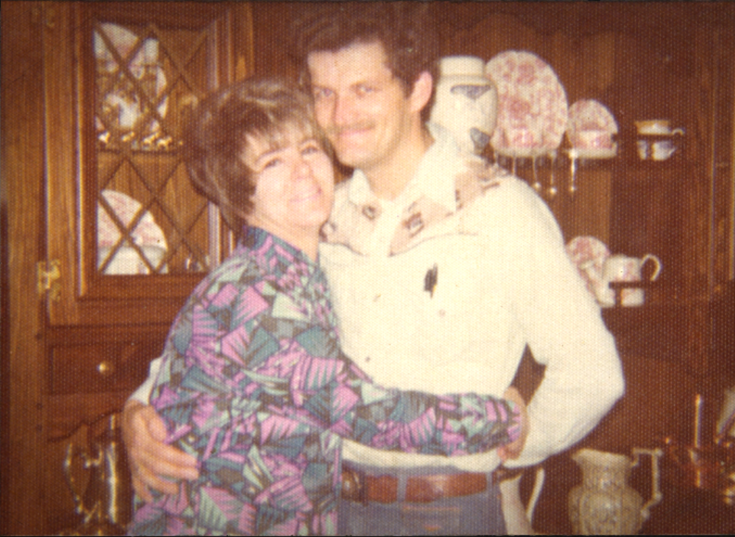
The family has found a semblance of closure after learning that Carroll didn’t abandon them - and discovering that he’d been with them all along.
“The truth is, this whole thing’s about loving something that we didn’t know was there,” Mike says in the film, tearing up. He was just four when Carroll vanished from their lives.
“My mission was to find my dad, and that mission is completed,” Jean says, who has taken ownership of her father’s ashes.
“I have my dad with me at all times,” she says. “I think of him every day. I talk to him every day. It just feels great to have him with me.”
Their brother, Steve, has kept the shoes they found buried with Carroll in the basement.
“There wasn’t much that I ever had that my father actually owned or gave to me,” he says. “I guess the shoes just kind of give me some connection. This is all I have. The thought of him wearing these shoes when he was in that hold, and they were in the ground for 55 years, it’s kind of hard to wrap my brain around.”
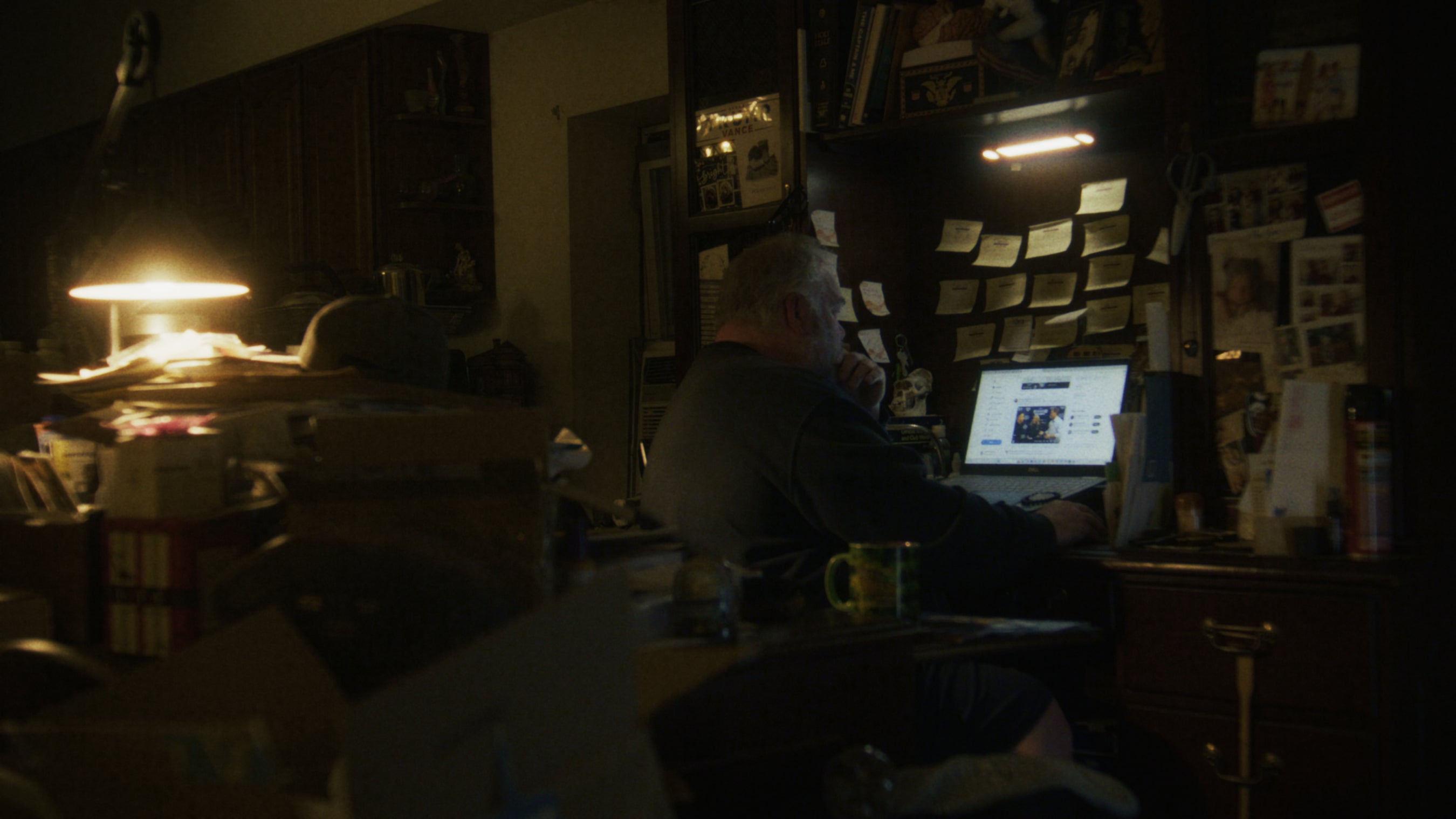
It’s also hard for them to understand why their mother insisted that their father had willingly abandoned them. There also remains the unanswered question about who actually killed him before stashing the body in the basement.
“I have often thought, why, if my mother knew, why didn’t she ultimately tell us when she was sick?” Steve says in the film. “But now that I think about it, I go, I don’t think I would have told my kids.
“I think if my mother contemplated telling us what actually happened, it would tarnish the way we thought of her, and we thought very highly of her. We loved her.”
Gillespie calls the film “essentially a love letter to this family” - and hopes that viewers will take away relevant lessons for their own lives.
“I hope it serves as encouragement to people who do have sort of some skeletons in the closet or ghosts they need to lay to rest in their family - that it’s okay and it’s safe to have these conversations,” she tells The Independent. “And if you come from a loving family, even if you have to say things to each other that are tough to hear, it’s going to be okay.”
The “antidote to grief,” she reiterates, is “really about being able to tell your story and make sense of it, integrate it and connect deeper with the people in your life about it.”
Her “dearest hope,” she says, is that others will see the way that a “tough guy like Mike” can open up - “and also that people will consider: Hey, maybe I won’t get the answer I think I need about this unresolved thing in my life - but maybe that’s not the point.
“Maybe the way I behave or interact with people is going to be the answer to that problem.”
ID’s The Secrets We Bury premieres tonight at 9/8c on ID and will be available to stream on HBO Max
Join our commenting forum
Join thought-provoking conversations, follow other Independent readers and see their replies
Comments
Bookmark popover
Removed from bookmarks