Geese attack leaves Texas woman, 72, with broken pelvis and internal bleeding
Lydia West, 72, regularly feeds birds but on Monday was attacked by a gaggle of geese which left her hospitalised with internal bleeding and breaks to her pelvis
A Dallas woman who regularly feeds ducks has been attacked by a gaggle of geese, leaving her hospitalised with internal bleeding and fractures to her pelvis.
Lydia West from Royse City, just outside Dallas, Texas, often spends her mornings at City Lake Park feeding the birds.
The 72-year-old’s son, David West, told Texoma News on Monday that her routine took a turn for the worse when a nearby gaggle of geese showed interest in the food.
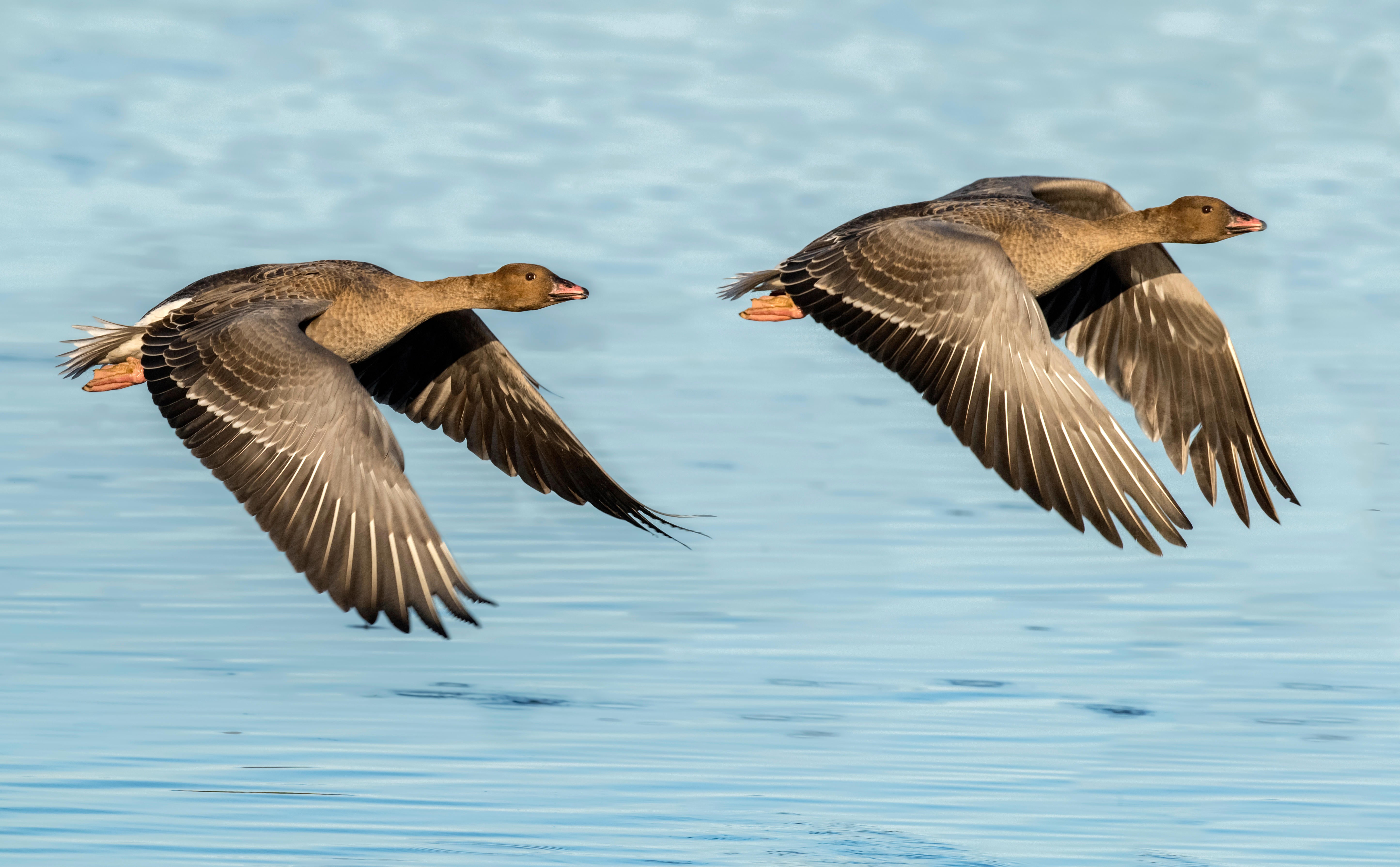
David said his mother “fell hard” and became trapped on the ground as the geese attacked her until two people walking past helped to free her from the angry birds.
West was rushed to a local hospital, where doctors discovered she suffered several breaks on one side of her pelvis and internal bleeding.
“She has a long road of physical therapy and learning how to be able to walk,” David told Texoma News.
“It was a shock that the geese could even become that territorial and could hurt somebody.
“One of our main concerns is being able to get a warning out there to the public, especially the senior community.”
He acknowledged hearing the call that geese had attacked his mother seemed strange, but upon further research, he realized it was not the first attack.
In 2022, a Florida woman who was walking too close to a goose’s nest was attacked.
The incident was captured on video as the angry bird chased the woman and flew straight into her, knocking her to the ground and dropping all her belongings on the road.
While it is rare for people to suffer extreme injuries like West's, the attacks do occur because the bird is naturally protective.
Wildlife biologist and animal behaviorist Vanessa A. Williams, who works with Wild Goose Chase, an Illinois-based company that specialises in bird management, said the attacks are not malicious.
“Geese are typically only defensive when they have a nest they’re protecting or are defending their young,” she told Popular Science.
“They’ll attack anything they see as a threat to their nest or their babies.”
Join our commenting forum
Join thought-provoking conversations, follow other Independent readers and see their replies
Comments
Bookmark popover
Removed from bookmarks