Number of homeless Americans over 55 set to triple in 5 years
The death of a parent or spouse is a major driver of homelessness among older individuals
Approximately 20 percent of the total U.S. homeless population is age 55 or older, and that percentage is expected to triple by 2030, according to researchers.
More than 140,000 Americans age 55 or older are already experiencing homelessness, according to a University of Pennsylvania study. That represents about 20 percent of the total homeless population as of January 2024.
The increase in older individuals facing homelessness is in part because the Baby Boomer generation was enormous, and it stands to reason that statistically some will face homelessness. Typically when older individuals end up homeless it follows the death of a spouse or a parent, the loss of a job, an eviction, or mounting medical issues, according to the U.S. Interagency Council on Homelessness.
According to a survey by the Benioff Initiative on Housing and Homelessness at the University of California, one in eight individuals age 50 or older who are facing homelessness cite the death of a friend or a relative as the primary reason for their homelessness.
Dennis Culhane, a professor at the University of Pennsylvania studying homelessness, told CBS Evening News that the percentage of the homeless population that is 55 or older has been increasing for the past 30 years due in part to the late Baby Boomers. But he also noted there were some risk factors specific to the second half of the Boomer generation — those born between 1955 and 1964 — that make them even more vulnerable to possible homelessness.
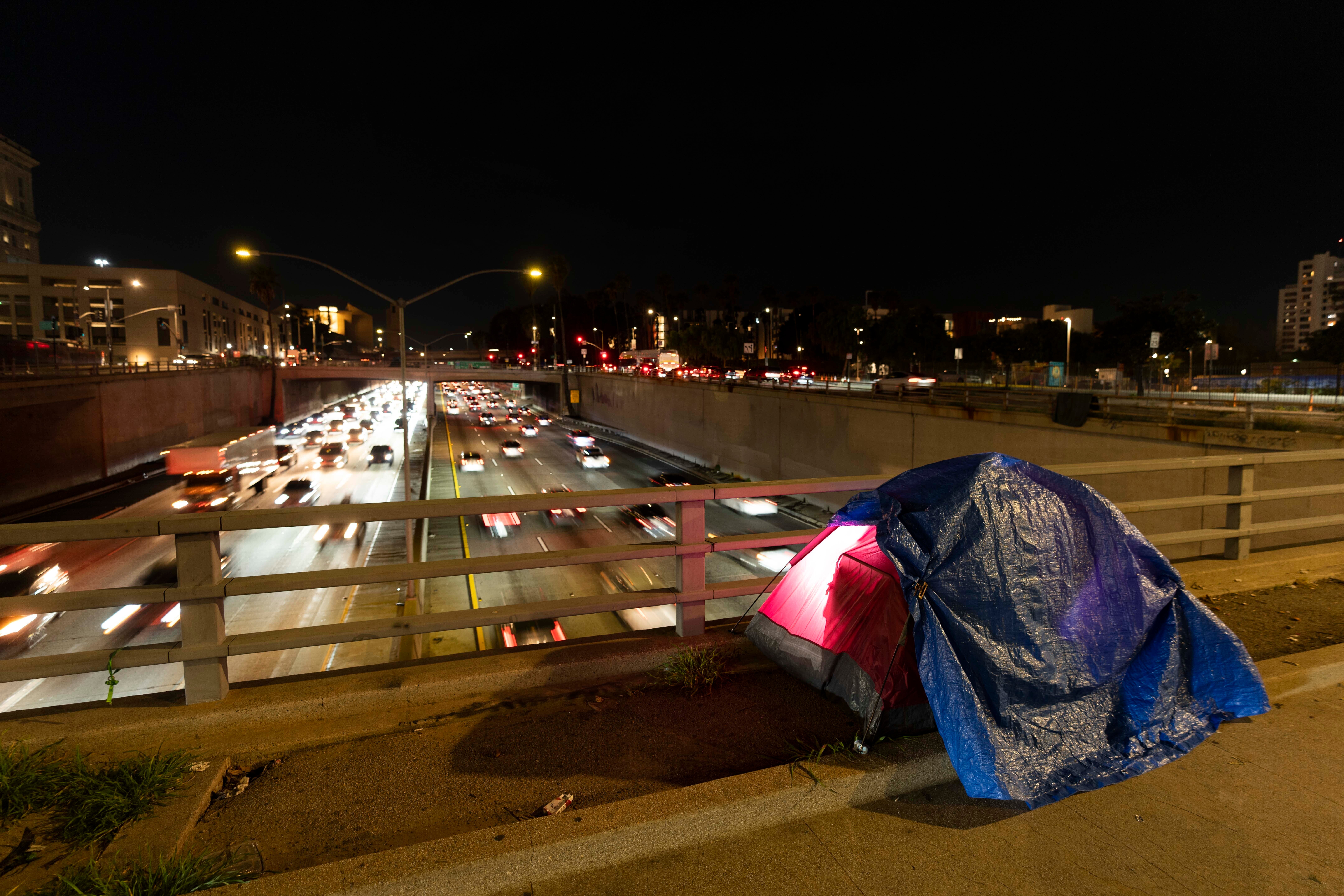


"They came of age in the early 1980s at a time when there was very high unemployment and housing costs were rising," he told the broadcaster. "A lot of these folks were unable to get into the labor market by their mid-20s, so they've struggled for years trying to get a toehold in the workforce."
Rents were high, housing aid was difficult to obtain, and crack was devastating poor neighborhoods.
“You have a generation of adult children who depend on their parents because they can’t afford housing on their own,” Culhane told the New York Times. “When their parents die, they have no place to live. We’re seeing more and more of them on the streets and in the shelters.”
He said the major impact of the growing number of aging homeless individuals will be seen in the world of health care.
"They end up hospitalized at very high rates. They often can't be discharged in a timely fashion because they have no place to go back to and no family to support them. So they often will end up in nursing homes, even though in those nursing homes they will often get discharged right back into homelessness," Culhane said.
Homelessness also increases the likelihood that an individual will require hospital visits. People in their 50s experiencing homelessness typically have the overall health of someone 20 years older, according to physicians speaking to the New York Times.
They also die at 3.5 times higher rates than their peers.
Join our commenting forum
Join thought-provoking conversations, follow other Independent readers and see their replies
Comments
Bookmark popover
Removed from bookmarks