Tourists find 200-year-old human remains at beachfront property
The remains were found at a long-forgotten burial site, police say

Tourists have found 200-year-old human remains, including a skull, at a South Carolina beachfront property.
The tourists had been exploring an area of Edisto Island, south of Charleston, when they found what was initially thought to be fossils, according to the Colleton County Sheriff’s Office. When the visitors had a closer look, and realized the remains appeared to be human, they called police.
“Early indications suggest the remains may originate from a long forgotten burial site,” the sheriff’s office said in a press release.
The sheriff’s office said the property is “historically significant” and was a settlement called Edingsville Beach in the 1800s.
The Colleton County Coroner’s office recovered the remains which have since been taken to the Medical University of South Carolina “for forensic analysis and identification,” the sheriff’s office said.
Coroner Rich Harvey told Newsweek the discovery is “rare” and the remains, which include a skull and separated bones, “could be from [the] Revolutionary War [or] Civil War."
Edingsville Beach was a popular travel destination for wealthy Charleston families in the first half of the 19th century, according to Edistoisland.com.
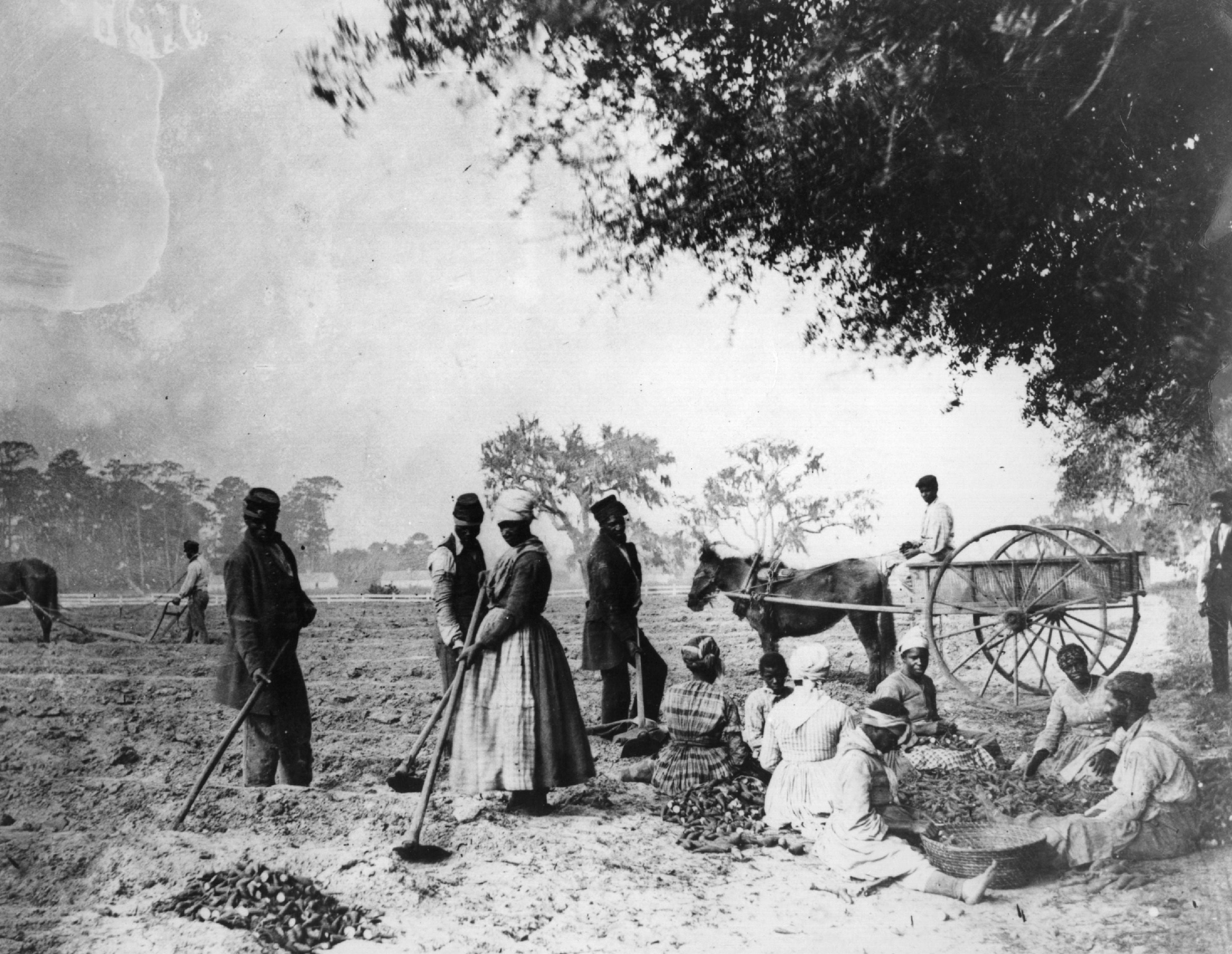
The settlement included 60 houses, multiple churches, a billiard saloon, a schoolhouse and other buildings for people’s fishing and boating needs.
But the lavish beach was ruined by erosion, and it went uninhabited during the Civil War. The war devastated the plantation economy, which bankrupted many and forced them to abandon their summer homes.
The settlement was later inhabited by Black sharecroppers and farmers, until a hurricane in 1885 destroyed most of the remaining homes, leaving only a few still standing. After the storm, the settlement was abandoned.
Join our commenting forum
Join thought-provoking conversations, follow other Independent readers and see their replies
Comments
Bookmark popover
Removed from bookmarks