Rocket crashes shortly after launch in blow to Brazil’s space ambitions
The incident also hit shares of South Korean satellite launch company Innospace
Brazil's burgeoning space ambitions have suffered a significant setback after the inaugural commercial rocket launch from its Alcantara Space Center ended in a crash shortly after liftoff.
The incident has also dealt a blow to shares of South Korean satellite launch company Innospace.
The rocket initially followed its planned vertical trajectory after taking off at 10:13 p.m. local time (0113 GMT). However, just 30 seconds into its flight, an unspecified malfunction caused the craft to fall to the ground, according to Innospace CEO Kim Soo-jong.
Fortunately, the crash occurred within a pre-designated safety zone, ensuring no injuries, with Brazil's air force dispatching firefighters to assess the wreckage and impact zone.
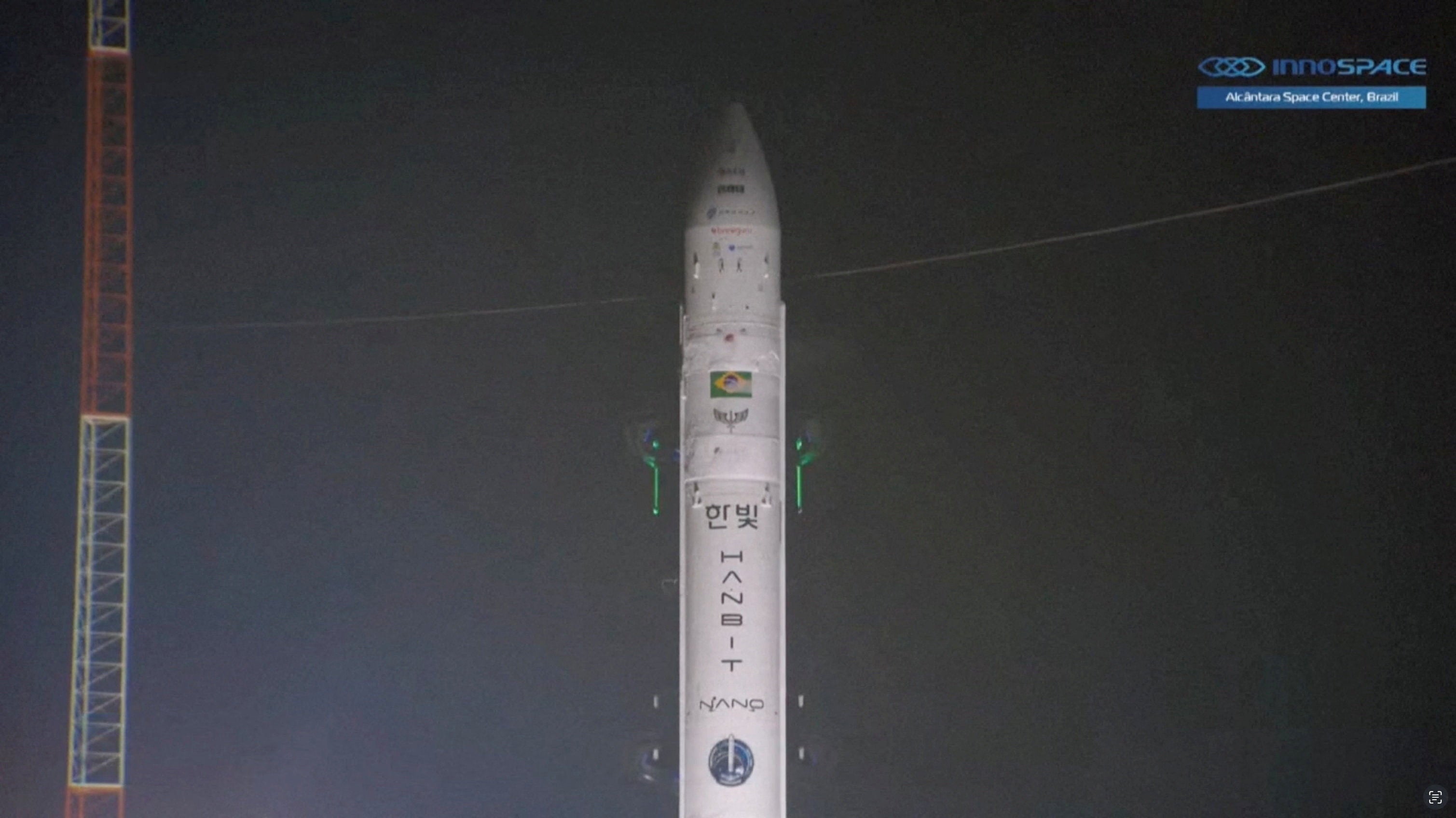
In a letter to shareholders posted on the company's website on 23 December, Mr Kim expressed profound regret. "We are deeply sorry that we failed to meet the expectations of our shareholders who supported our first commercial launch," he stated.
Innospace shares plunged nearly 29% in Seoul in its biggest daily drop and heaviest daily trading volume since its July 2024 listing.
A failed satellite launch at Alcantara in 2003 killed 21 people, including senior engineers, when a rocket exploded on the launchpad, setting Brazil's space program back by a generation.
Plans for foreign firms to resume satellite launches from Alcantara, located strategically near the equator, were delayed by geopolitical jockeying over the past decade, including competing offers to partner with the United States and Russia.
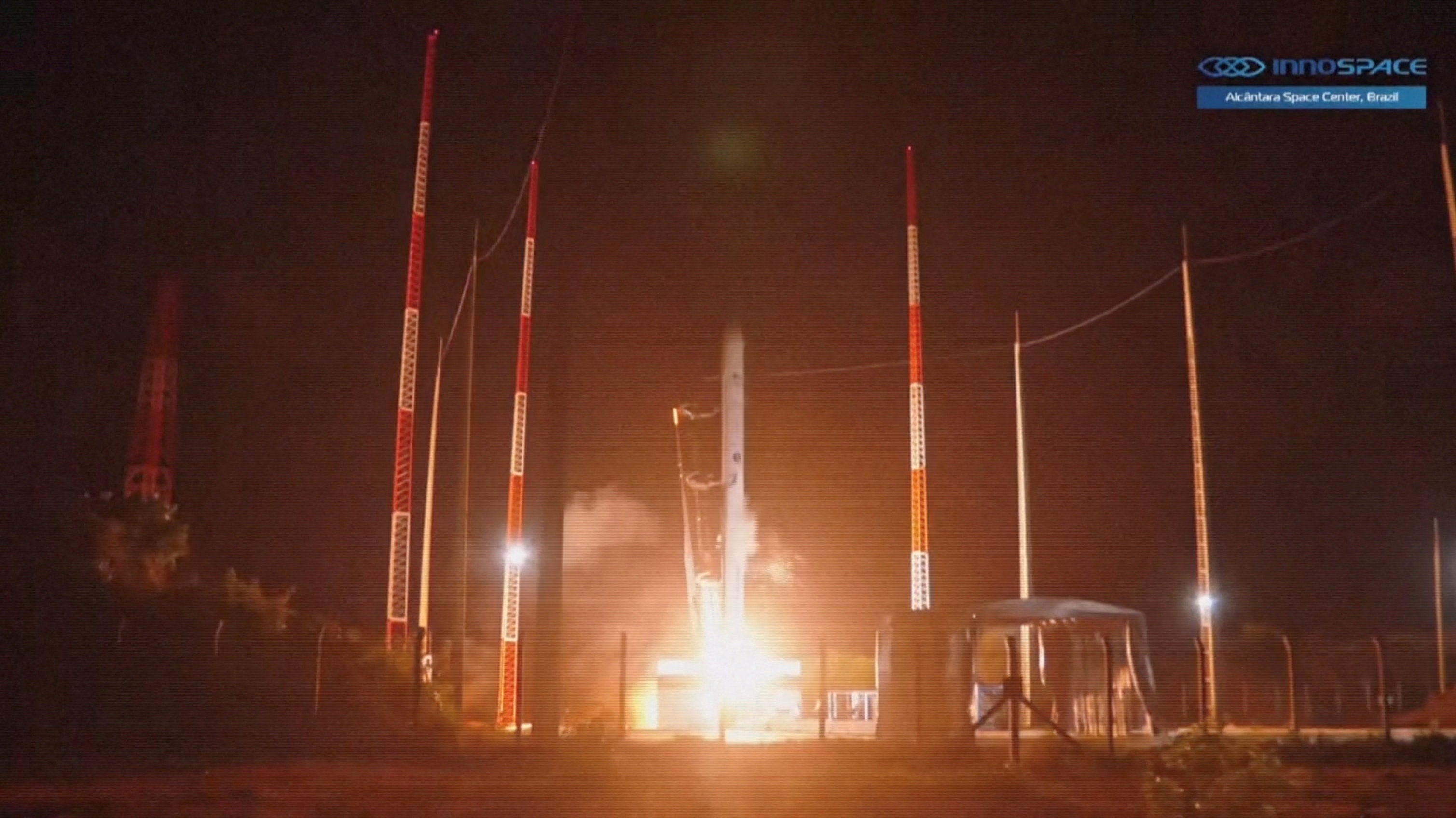
The launch of the HANBIT-Nano vehicle this month suffered a string of delays that pushed back liftoff by five days.
The launch was initially postponed due to a mechanical anomaly in a cooling-unit component, which was found during final inspections, Innospace said in an earlier statement.
Innospace replaced the component on the launchpad, it said, allowing the Spaceward mission to proceed within its December 16-22 launch window. It was launching eight registered cargoes, including five small satellites, for undisclosed customers.
While the mission did not go to plan, data gathered from the rocket's short flight represents "a significant achievement," Innospace said, adding that the company plans to attempt another commercial launch in the first-half of 2026.
In March 2023, Innospace launched its test vehicle HANBIT-TLV from the same facility in northeast Brazil to verify the performance of its 150 kN hybrid rocket engine.
Join our commenting forum
Join thought-provoking conversations, follow other Independent readers and see their replies
Comments
Bookmark popover
Removed from bookmarks