Shoppers discover Instacart is charging them different prices for the same item in the same store
Almost 75% of grocery items in the experiment were offered to shoppers at multiple price points on Instacart
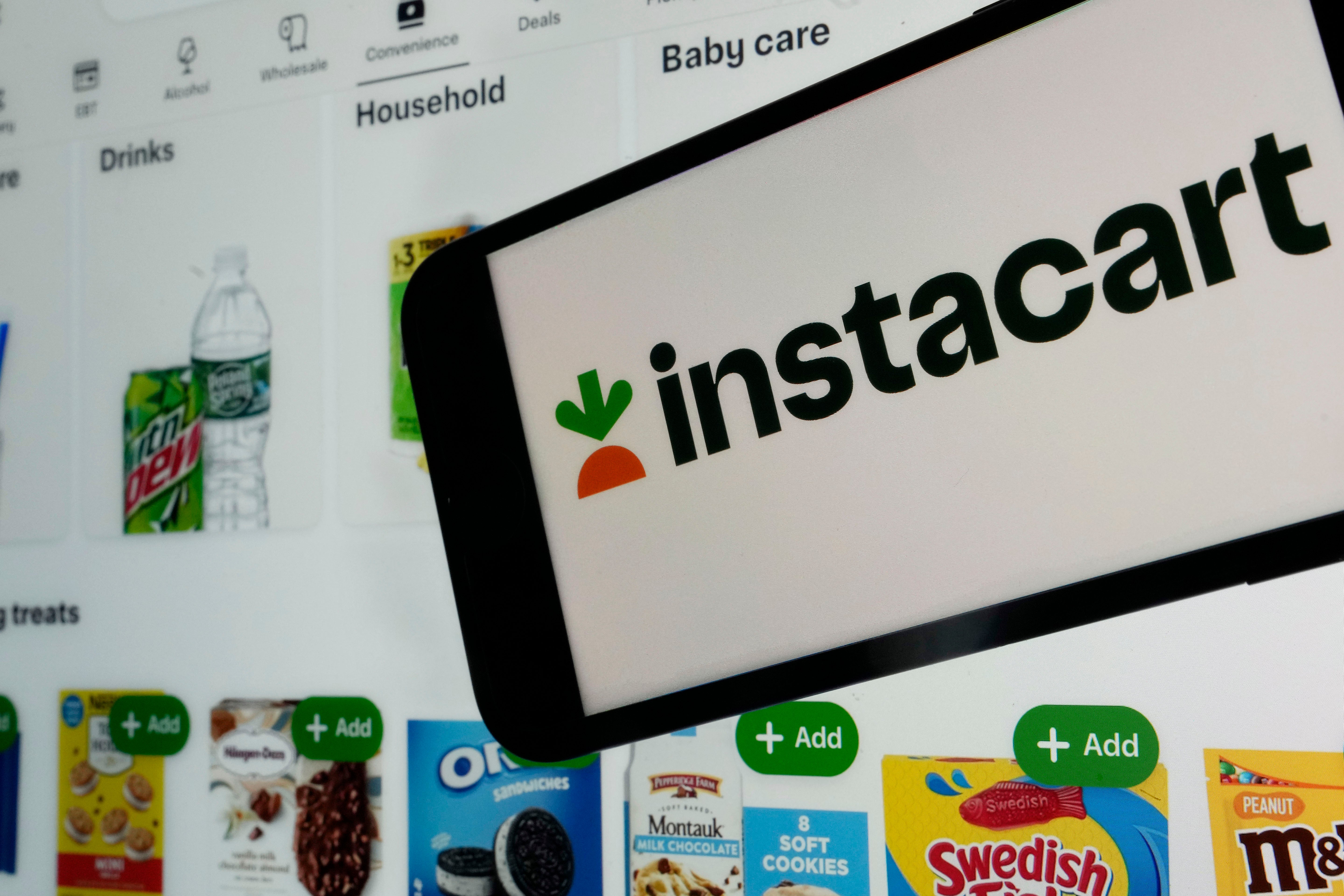
Instacart is charging customers different prices for the same items in the same stores, even at the same time, a new study has found, threatening to “blow a hole” in consumers’ wallets.
Almost 75 percent of grocery items in the experiment, conducted by Groundwork Collaborative, Consumer Reports, and More Perfect Union, were offered to shoppers at multiple price points on Instacart.
The study, which involved live testing of 437 shoppers across four cities, aimed to determine how the online shopping platform is experimenting with pricing. The majority of the research was conducted in Safeway and Target stores.
It found that in some cases, Instacart offered as many as five different sales prices for the same grocery item, in the same store, at the same time.
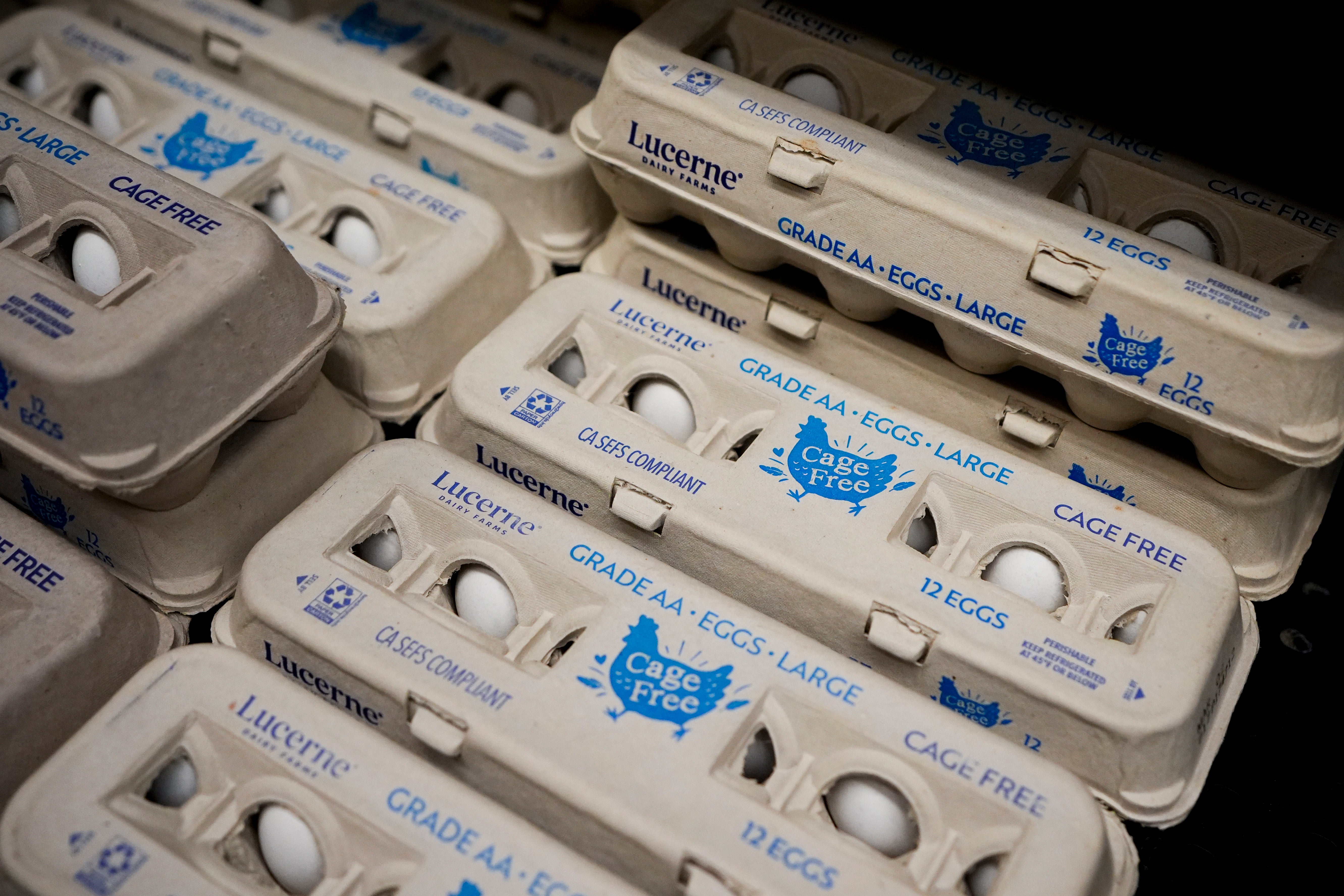
For example, at a Safeway store in Washington D.C., a dozen Lucerne brand eggs sold for $3.99, $4.28, $4.59, $4.69, and $4.79 on Instacart.
Meanwhile, a box of 10 Clif Chocolate Chip Energy bars sold for $19.43, $19.99, and $21.99 at a different Safeway store in Seattle.
The research found that the average difference between the lowest and highest prices was 13 percent, though in the most extreme cases, some shoppers were charged more than 20 percent more than others for the same items in the same stores.
A box of Signature SELECT Corn Flakes on Instacart from a Safeway store in D.C., sold for $2.99, $3.49, and $3.69 – a difference of 23 percent between the highest and lowest prices.
The price variations also had a significant impact on overall Instacart baskets that contained the same items, with an average of around seven percent.
At a Target store in North Canton, Ohio, shoppers were shown different prices — $84.43, $84.81, $84.92, $87.91, and $90.47 — for the same basket of groceries, the study found.
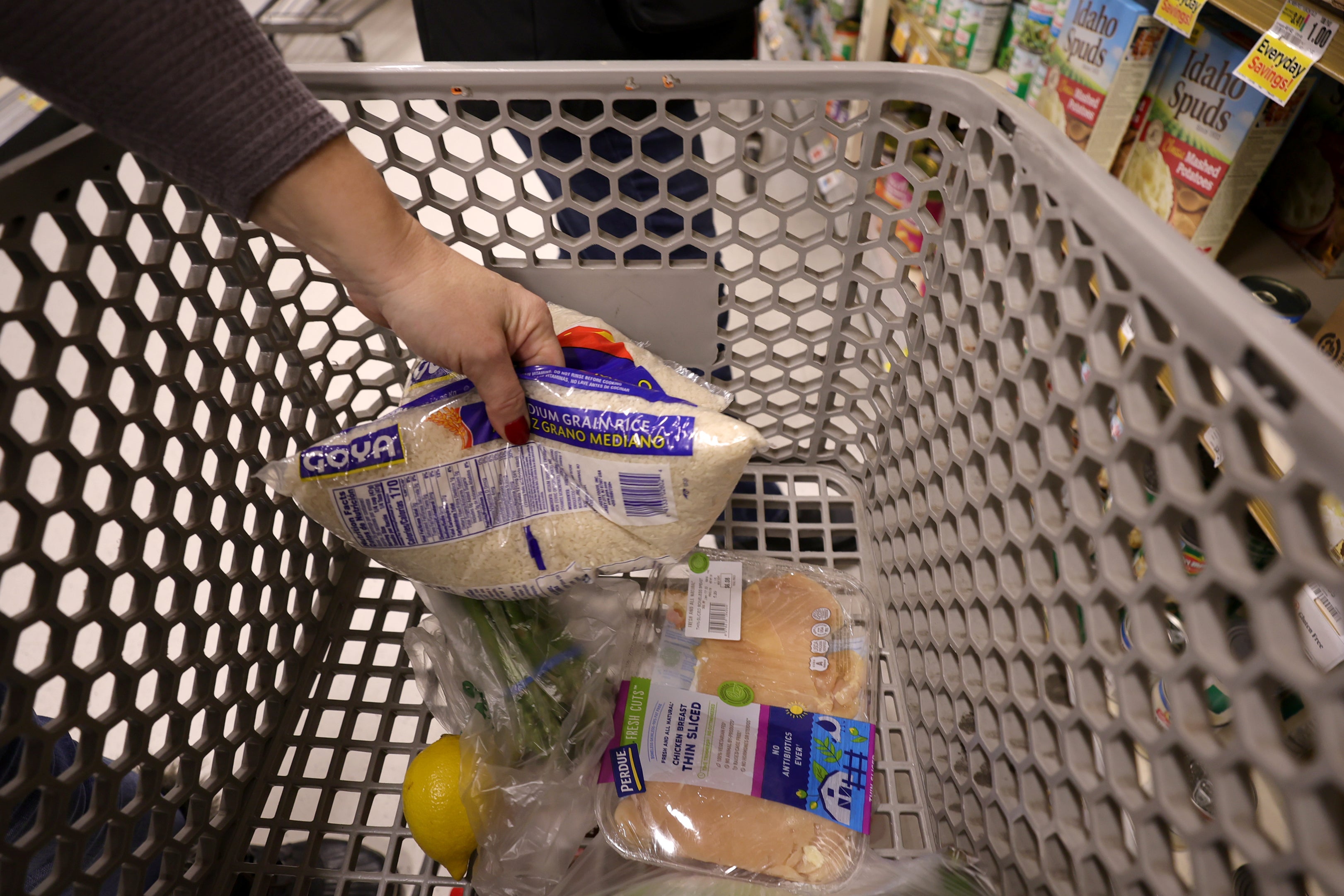
Over the course of a year, a seven percent difference in basket totals due to the pricing variations could amount to some $1,200 extra, according to the study’s authors.
“Corporate practices like these increase prices for American families,” they wrote.
“When prices are no longer transparent, shoppers can’t comparison-shop. When prices are no longer predictable, shoppers can’t properly budget. These increasingly opaque pricing practices aren’t just blowing a hole in families’ wallets. Fair and honest markets are the bedrock of a healthy economy — and companies like Instacart are jeopardizing that trust.”
In a statement shared with The Independent, a Target spokesperson said: “Target is not affiliated with Instacart and is not responsible for prices on the Instacart platform.”
The Independent has also attempted to contact Safeway for comment on the results of the study.
In a lengthy blog post, in part explaining the tests, Instacart insisted that the tests were “not dynamic pricing” and that costs never changed in real time, “including in response to supply and demand.”
“Just as retailers have long tested prices in physical stores to understand what resonates with customers, a small subset of our retail partners – 10 U.S. retail partners that already choose to apply markups – use Instacart’s Eversight technology to run limited online pricing tests,” the platform wrote.
“These short-term, randomized tests help retail partners understand category-level price sensitivity so they can sustainably invest in lower prices where consumers care most… [the] tests are not designed to increase the average markup set by a retail partner.”
It added: “We’ll continue to stay laser-focused on making Instacart an affordable, high-quality option.
“Whether through expanding same-as-in-store pricing, increasing access to savings, or providing clear information about how pricing works, we remain committed to delivering the best, most affordable experience possible to consumers.”
Join our commenting forum
Join thought-provoking conversations, follow other Independent readers and see their replies
Comments
Bookmark popover
Removed from bookmarks