Oil blockades, a two week chase and ‘outright piracy’: All we know about blacklisted supertanker seized by US
The Marinera, registered under a Russian flag, is the third sanctioned tanker the US has seized in recent weeks, Alex Croft reports
U.S. forces have seized a sanctioned Venezuelan oil tanker being escorted by Russian naval ships in the North Atlantic, days after the dramatic capture of President Nicolas Maduro.
The military and Coast Guard intercepted the Marinera tanker Wednesday in waters northwest of Scotland after a two-week chase.
The vessel had evaded a U.S. blockade of sanctioned oil tankers near Venezuela, a measure the administration had implemented shortly before an elite unit seized Maduro in the early hours of Saturday.
Follow our live blog on the seizure of the Marinera oil tanker here.
The Marinera is one of the “shadow fleet” of tankers carrying oil in breach of U.S. and international sanctions.
After evading capture, it renamed itself from the Bella 1 and painted a Russian flag on its side in what appeared to be a bid for protection from Moscow.
With Russian vessels reportedly sent to escort the tanker, the move risked a potential confrontation with Putin, after months of efforts by the Trump administration aimed at repairing relations between the two superpowers.
Below The Independent looks at everything we know about the seized oil tanker so far.
What do we know about the Marinera oil tanker?
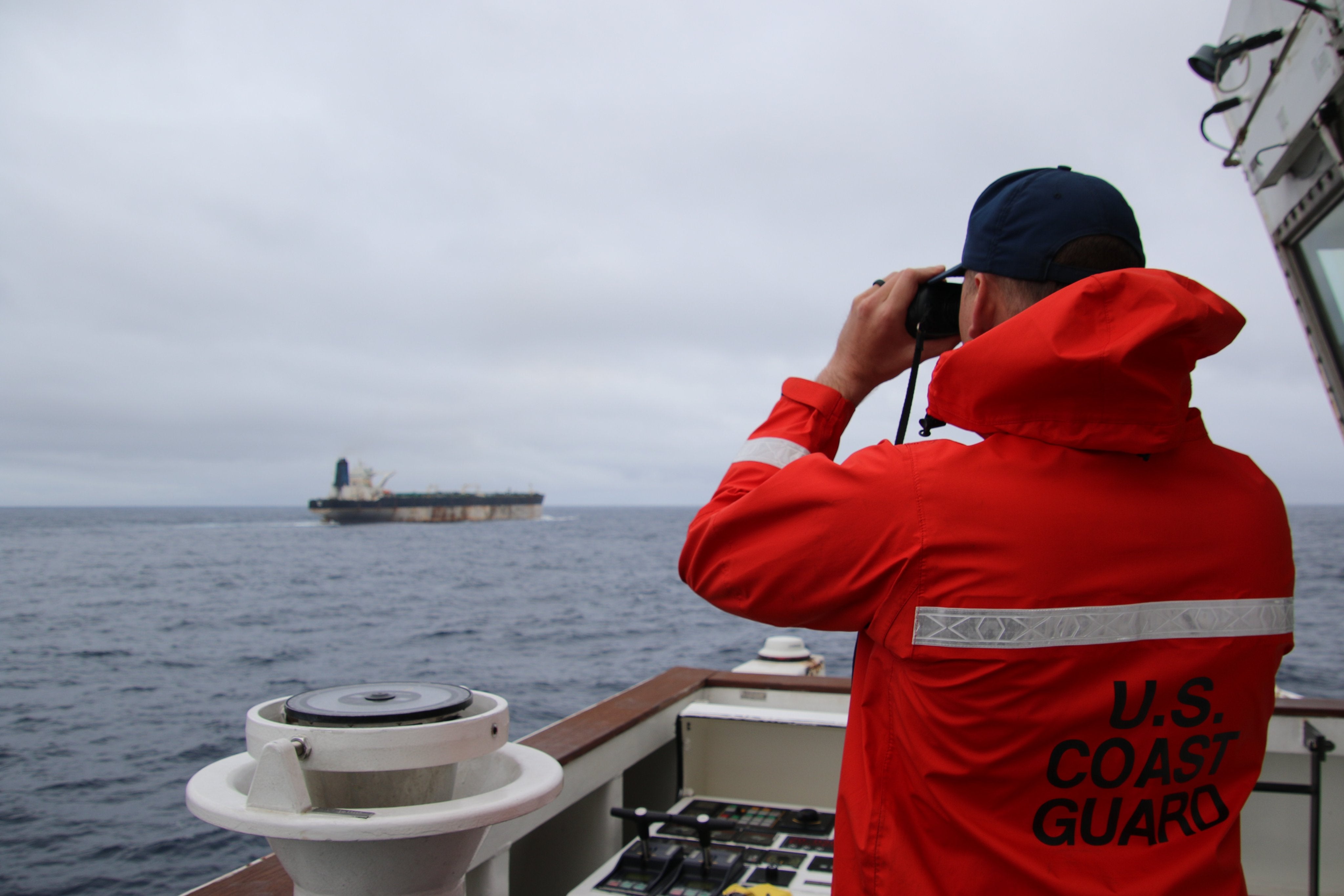
The Marinera was built as an oil and chemical tanker in 2002 and originally sailed under the flag of Panama.
Since then, it has sailed under multiple flags and different names, including Yannis in 2022, Xiao Zhu Shan in 2021, Seaways Mulan in 2020, Overseas Mulan in 2017 and the Mtov in 2012.
Until very recently known as the Bella 1, the vessel was previously sanctioned for involvement in the Iranian oil trade by the Treasury Department during the Biden administration.
Most recently, it traveled from Iran towards Venezuela, before it changed course following a U.S. attempt to board the vessel in the Caribbean sea in mid-December.
Measuring 333 meters long and 60 meters wide, it was renamed after evading capture and headed towards Europe.
Russia’s transport ministry said it had granted the Marinera, previously flagged in Guyana, a “temporary permit to sail under the Russian Federation flag” on Christmas Eve.
Kpler, a trading intelligence website which collates detailed information on oil shipments, reported that it had transported more than 6 million barrels of Iranian oil last year.
Much of this was passed on to unknown vessels at sea, in attempts to conceal the final destination of the oil, The Times reported. However, other reports claim the Marinera had no oil on board while it was being pursued across the Atlantic.
How the U.S. seizure unfolded with British help
The U.S. Coast Guard tried to board the Marinera in December, after the Justice Department obtained a seizure warrant on account of the ship’s involvement with the Iranian oil trade, a U.S. official told CBS News.
After the attempt failed, the ship disappeared from publicly available tracking data, before reappearing again in the Atlantic Ocean.
The ship passed near U.K. waters Wednesday, between Scotland and Iceland, and appeared to be making its way towards the port of Murmansk in northern Russia.
Earlier this week, a number of U.S. military planes were dispatched to U.K. airforce bases, amid growing speculation that they would be used to seize the ship. It is unclear whether the planes were used for this purpose.
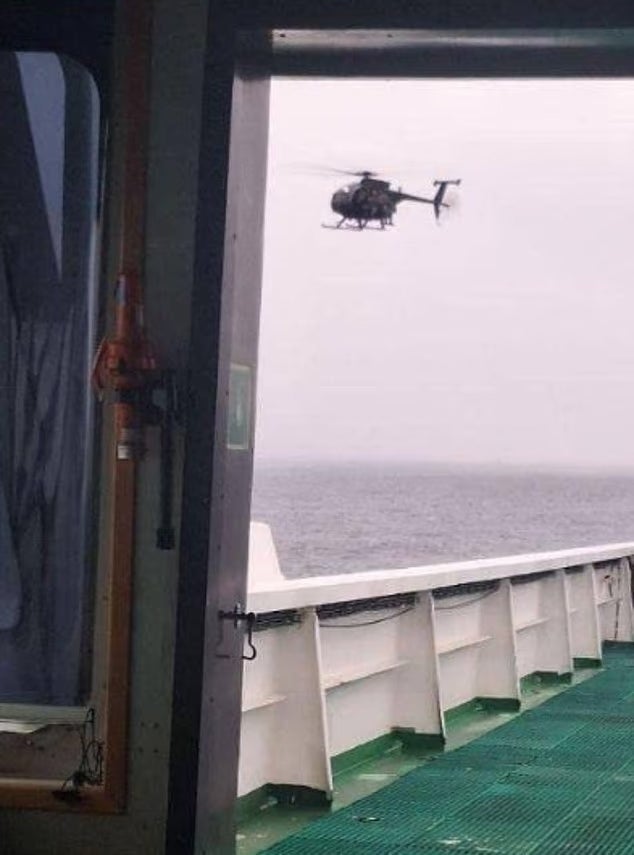
At around 8 a.m. ET (1 p.m. GMT) Wednesday, reports began to emerge that the U.S. was carrying out an operation to seize the tanker. Less than an hour later, the U.S. European command said in a post on social media the Marinera had been seized over “violations of U.S. sanctions”.
“This seizure supports @POTUS Proclamation targeting sanctioned vessels that threaten the security and stability of the Western Hemisphere,” the statement said.
Britain’s Ministry of Defence said the ship had initially flown a false flag and is believed to have been involved in illegal activity linked to Hezbollah.
The U.S. operation was supported by Britain's Royal Air Force and one of its military vessels, which British Defence Secretary John Healey said was part of “global efforts to crack down on sanctions busting”.
RAF surveillance aircraft and a naval supply ship, the RFA Tideforce, were among the British military assets which took part in the operation.
“This ship, with a nefarious history, is part of a Russian-Iranian axis of sanctions evasion which is fuelling terrorism, conflict and misery from the Middle East to Ukraine,” Healey said.
Soon afterward the Marinera was seized, the U.S. Southern Command said it had separately apprehended a second sanctioned vessel M/T Sophia in international waters and is escorting it to the U.S.
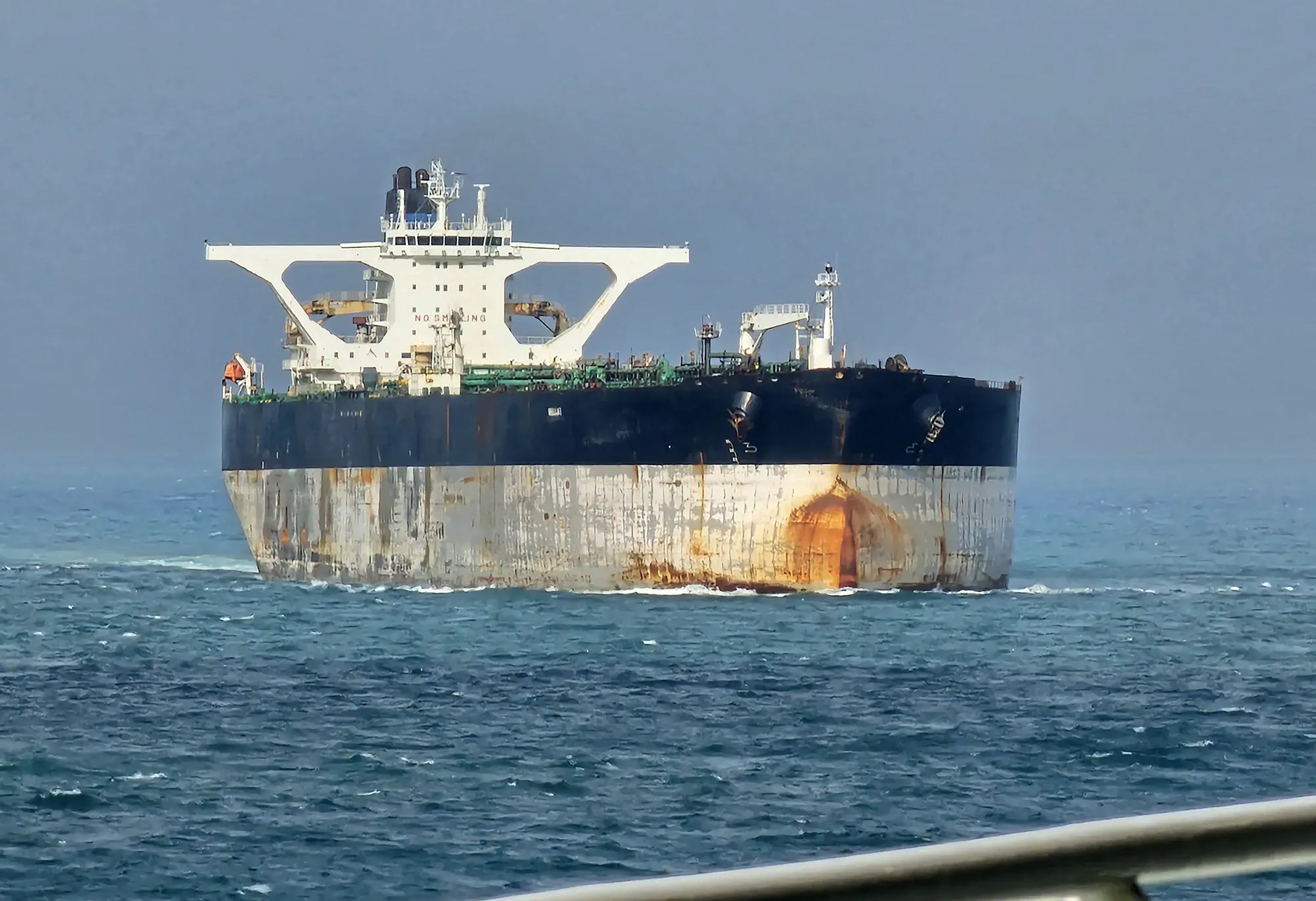
How has Russia reacted?
Russia claimed the Marinera seizure was a violation of maritime law, with a senior lawmaker accusing the U.S. of “outright piracy”.
Moscow's Transport Ministry said contact with the vessel had been lost after U.S. naval forces boarded it.
“In accordance with the 1982 U.N. Convention on the Law of the Sea, freedom of navigation applies in the high seas, and no state has the right to use force against vessels duly registered in the jurisdictions of other states,” the ministry said in a statement.
Russia is demanding that the United States ensure “humane and decent treatment” of the Russian crew members and their swift return home, state news agency TASS quoted the Foreign Ministry as saying.
According to The New York Times, the Russian government had previously officially requested that the U.S. stop all attempts to seize the ship, which is listed in the Russian Maritime Register of Shipping as being ported out of Sochi, on Russia’s Black Sea.
“After a ‘law enforcement operation’ that killed several dozen people in Venezuela, the U.S. has engaged in outright piracy on the high seas,” Andrei Klishas, a lawmaker from the ruling United Russia party, posted on Telegram.
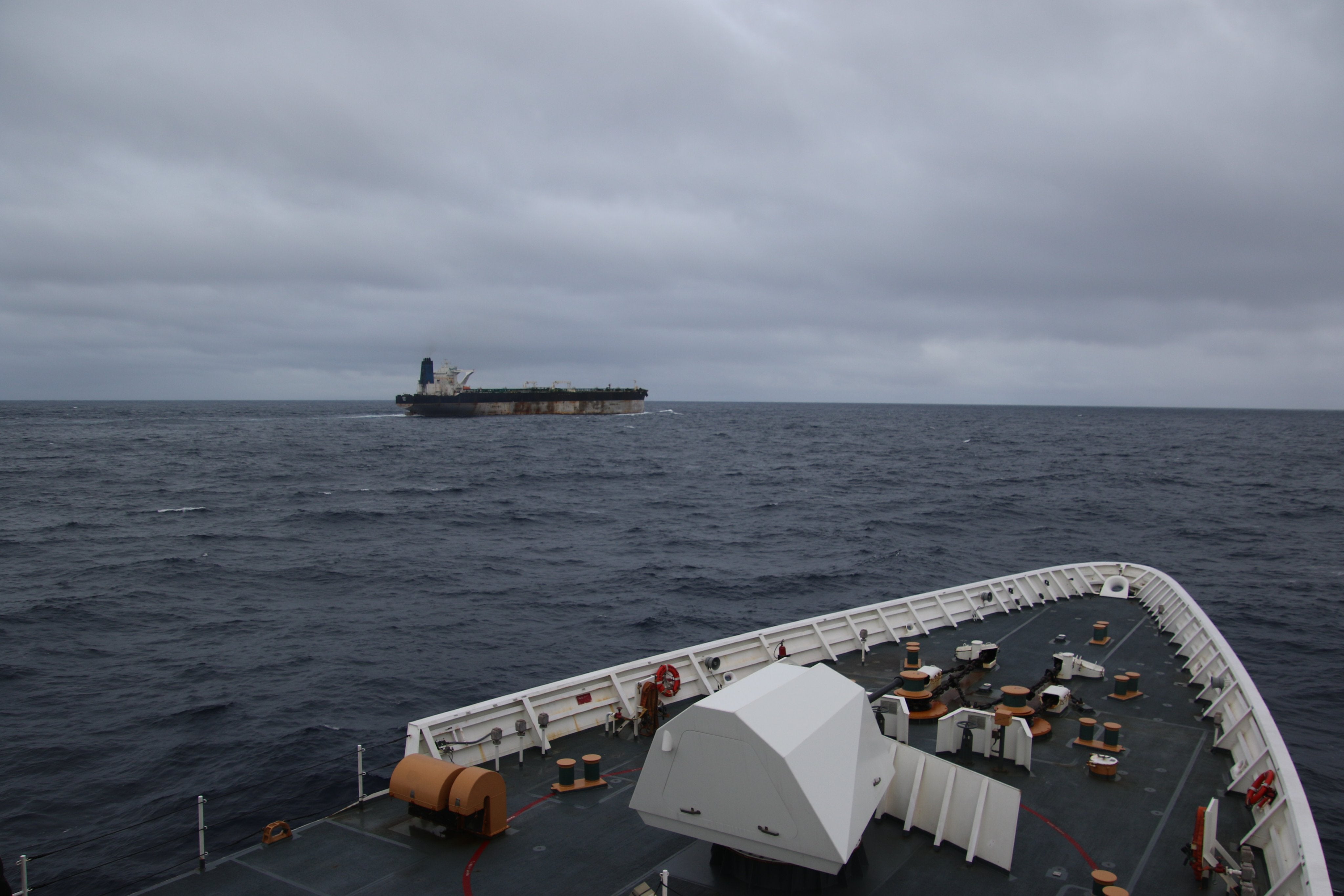
Does the seizure have precedent?
The Marinera’s capture marks the third oil tanker seized by the U.S. since its campaign against Venezuela began in early September.
Last month, two apparent Venezuelan oil tankers were seized by U.S. forces, including the Centuries and The Skipper, the latter of which had been sanctioned in 2022 for its alleged role in helping fund the Iranian Revolutionary Guard Corps and Lebanese militant group Hezbollah.
The seizure of The Skipper, along with footage of U.S. forces boarding the ship, marked a major escalation in Trump’s campaign to pressure Maduro by current off access to the oil revenues, which have been so critical for Venezuela.
At least 16 oil tankers have attempted to evade the U.S. naval blockade by disguising their location or turning off transmission beacons, The New York Times reported Monday.
Join our commenting forum
Join thought-provoking conversations, follow other Independent readers and see their replies
Comments
Bookmark popover
Removed from bookmarks