Deepfake porn, plastic bags and loud commercials: These are the new laws taking effect in America on January 1
Minimum wages are set to go up in many states, while uploading deepfake pornography will land you in hot water in California
When you wake up feeling groggy on January 1, you don’t just wake up into a new calendar year, but into a whole new legal landscape, as the introduction of numerous new laws takes effect.
From laws restricting access to the United States for foreign nationals from certain countries to folic acid being a required additive for corn tortillas in California, and from plastic grocery bag bans to minimum wage increases, Americans may have to adjust to both new state and federal laws on New Year's Day.
While many measures update existing laws, others introduce sweeping changes that could affect millions of workers, families, renters, students, and consumers nationwide.
Below are some of the most notable changes set to begin in 2026.
Minimum wage rises in at least 19 states
Minimum wages will increase in at least 19 states on January 1, 2026, including in Arizona, California, Colorado, Connecticut, Hawaii, Maine, Michigan, Minnesota, Missouri, Montana, Nebraska, New Jersey, New York, Ohio, Rhode Island, South Dakota, Vermont, Virginia and Washington state.
Arizona, Colorado, Hawaii, Maine, Missouri and Nebraska will also join the ranks of states where hourly pay reaches or surpasses $15 for the first time.

Full-time minimum wage workers in these states can expect annual pay increases ranging from $582.40 to $4,160.
Hawaii will see the largest jump, with a $2 increase bringing its minimum wage to $16 an hour – the fifth-highest rate in the nation. Minnesota will see the smallest increase, rising by 28 cents to $11.41 an hour.
Alaska and Oregon will raise minimum wages on July 1, 2026, as will Washington, D.C. Florida’s increase is scheduled for September 30, 2026. Officials in Oregon and Washington, D.C., have not yet announced exact amounts.
Twenty states still have minimum wages at or below the federal rate of $7.25 an hour, or no state minimum wage at all. Since 2009, the federal Fair Labor Standards Act has set the national minimum wage at $7.25.
AI laws expand nationwide
Several states are rolling out new laws aimed at regulating artificial intelligence in the workplace and online.
Illinois will strengthen its Human Rights Act to prohibit employers from using AI in ways that cause workplace discrimination and will require disclosure when AI is used in hiring or employment decisions.
Texas will introduce its own workplace AI rules, though with a lighter regulatory touch. Meanwhile, California is set to launch the country’s first effort at mandating broader safety checks and transparency reports for the most advanced AI systems.
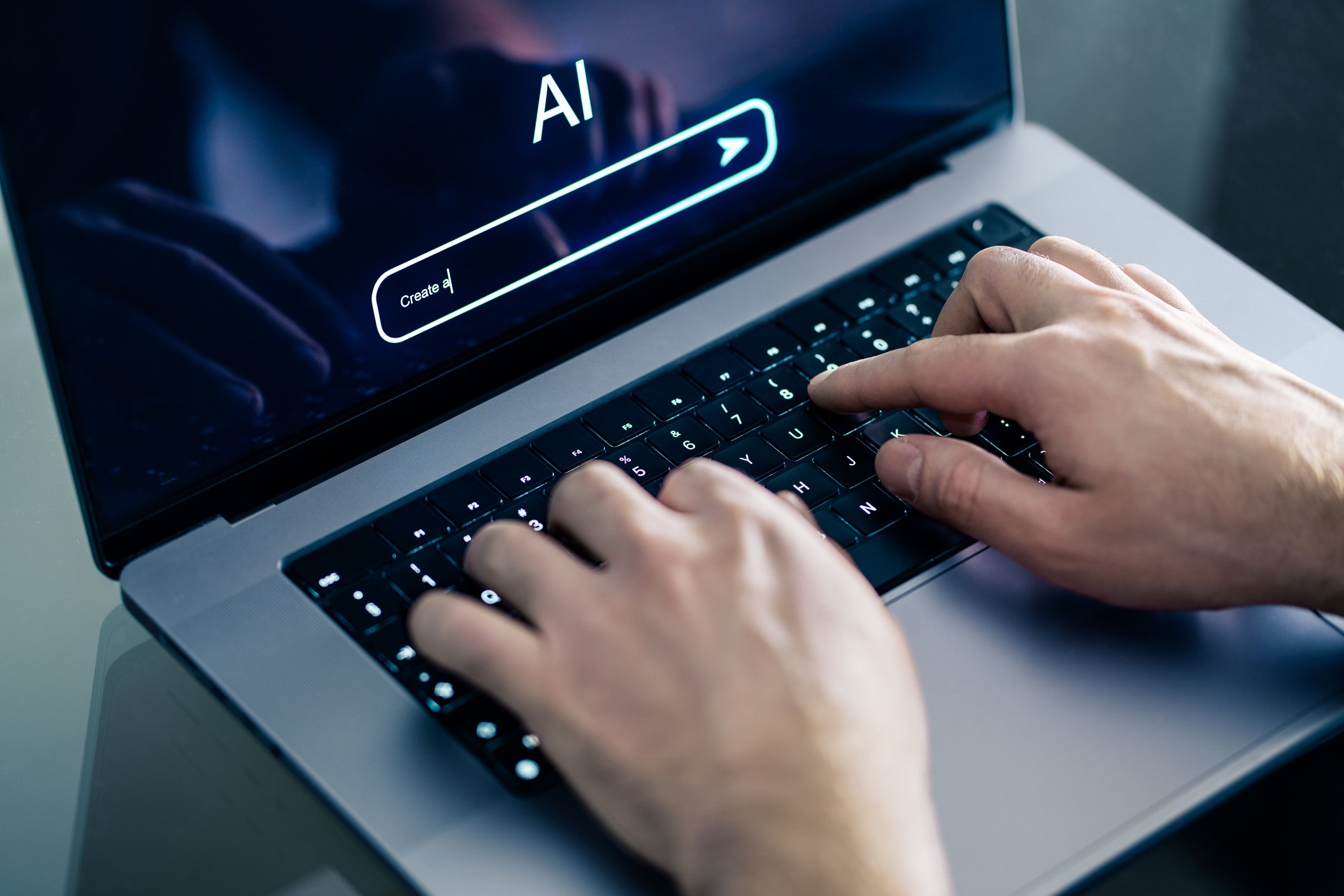
The state will also strengthen its laws against non‑consensual sexual content on the internet, expanding current protections to cover deepfake pornography and other AI‑generated or digitally altered explicit images.
Colorado’s Artificial Intelligence Act is scheduled to take effect mid-2026, imposing risk-based obligations on developers and deployers of high-risk AI systems, including impact assessments and anti-discrimination safeguards.
New paid leave and workplace protections
Several states are updating their labor laws in 2026.
Minnesota is introducing new paid leave laws, while Delaware is rolling out new paid family and medical leave benefits, and the same benefits are set to be updated in Washington.

Nevada will require certain employers to monitor air quality and limit workers’ exposure to wildfire smoke. Washington will broaden safety protections for employees who often work alone, including janitors, security guards, and hotel staff, while Oregon will introduce new workplace violence prevention rules for healthcare providers.
Maryland will require counties with self‑insured employee health plans to cover preventive cancer screenings for professional firefighters at no cost, eliminating copays, deductibles, and coinsurance.
In California, the state’s tortilla manufacturers will be required to add folic acid to store‑bought corn tortillas and corn masa products in an effort to reduce birth defects. Small businesses that produce their own masa will be exempt, and the move extends a practice already in place for flour tortillas, bread, and cereals.
Plastic grocery bag ban
California will phase out plastic grocery bags beginning Jan. 1, 2026, under a new law aimed at closing loopholes in the state’s original ban.
In September, Gov. Gavin Newsom signed SB 1053, which replaces the 2014 law that allowed thicker plastic bags marketed as reusable.
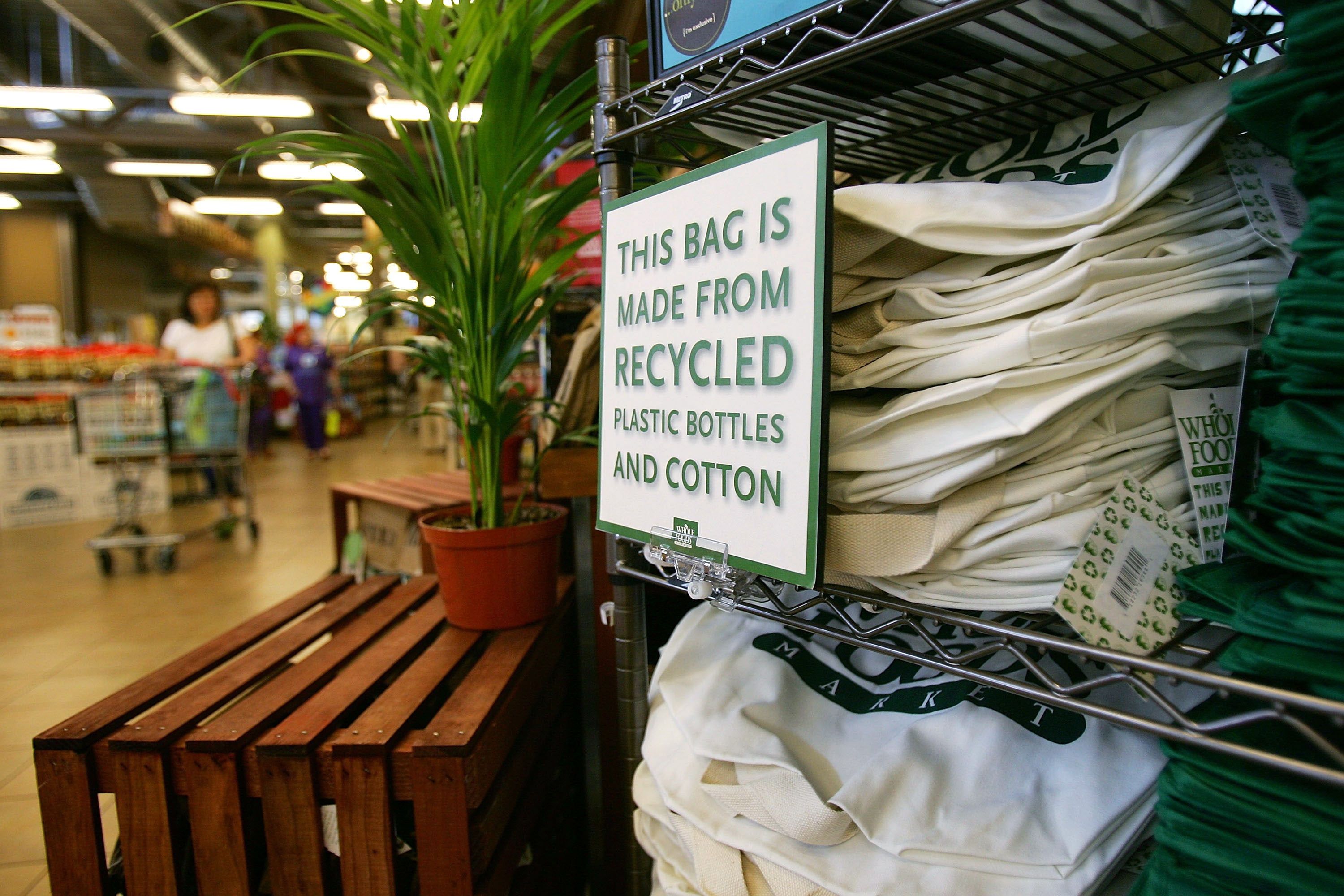
Under the new law, grocery stores may only provide recycled paper carryout bags for a minimum charge of 10 cents.
Lawmakers say the change is intended to reduce plastic waste and increase recycling.
Schools must limit or ban cellphone use
Under the Phone-Free School Act, California schools must limit or ban cellphone use during instructional time. Districts were given nearly two years to develop policies and must update them every five years.
The goal is to reduce distractions and improve academic focus.
In North Carolina, a new law requires school districts to prevent students from accessing social media on school-issued devices and networks starting January 1, 2026.
Landlords must provide working appliances
Also in California, beginning January 1, landlords must provide a working stove and refrigerator as part of minimum habitability standards under Assembly Bill 628.
“A working stove and a working refrigerator are not luxuries – they are a necessary part of modern life,” said Assemblymember Tina McKinnor.
“By making these necessary appliances standard in rental homes, California can provide all of its residents with a safer, more affordable and more dignified place to call home.”
No snack foods on SNAP benefits
The U.S. Department of Agriculture has approved six new state waivers restricting what can be purchased with Supplemental Nutrition Assistance Program benefits.
Hawaii, Missouri, North Dakota, South Carolina, Tennessee and Virginia will join states that ban candy, soda and energy drinks from SNAP purchases.
No more loud commercials
California’s SB 576 will prohibit streaming commercials from being louder than the primary content.
The law takes effect in July 2026.
Cat declawing and puppy mill laws
California will ban non-medically necessary cat declawing and crack down on puppy mills and third-party pet sales.
“And so if it has to be done, the veterinarians are now required to document why — the reasons and their procedures and any alternatives that failed, perhaps,” said Madeline Bernstein of the SPCA Los Angeles.
“We’re trying to make sure that pet shops are dealing honestly,” Bernstein added, “and we’re trying to discourage the high-volume breeding operations that cause a lot of genetic, inherited, recessive-gene activity.”
Join our commenting forum
Join thought-provoking conversations, follow other Independent readers and see their replies
Comments
Bookmark popover
Removed from bookmarks