Signs are pointing to a ‘blue wave’ in the midterm elections. Here’s why Democrats shouldn’t get too cocky
The map still favors Republicans, Democratic voters see their party leaders as weak and Trump has always found ways to defy political gravity, Eric Garcia writes
The mid-presidential-term congressional elections typically have a rhythm: two years after a president begins their term, voters get antsy that progress has not come quick enough, or they find they dislike what the administration does.
Voters then sweep in the opposing party to take control of the legislative branch — or at least prevent it from being a rubber stamp for the White House.
And Donald Trump, now in his second, non-consecutive, term, is facing the dreaded six-year itch, which is actually a 10-year itch given that he stayed on the scene as a power player from 2021 to 2025 despite being out of the White House.
The generic ballot, which determines whether voters would vote for a generic Democrat or Republican for Congress, currently shows Democrats have a significant advantage.
But the Democrats generally do not play well with a lead, to use a sports metaphor.
Polling shows that voters disapprove of Trump’s performance on everything from immigration, the issue where he’s set the tone for the past decade, and the economy. CNN flagged that Trump is now doing worse than Joe Biden did around the same time in his presidency in four polls.
And yes, all of this is a five-alarm fire for Republicans. House Speaker Mike Johnson notably has only 218 seats in the House of Representatives and cannot afford any defections at any time. And Democrats, despite having their own internecine fights between progressives and moderates, remain surprisingly unified.
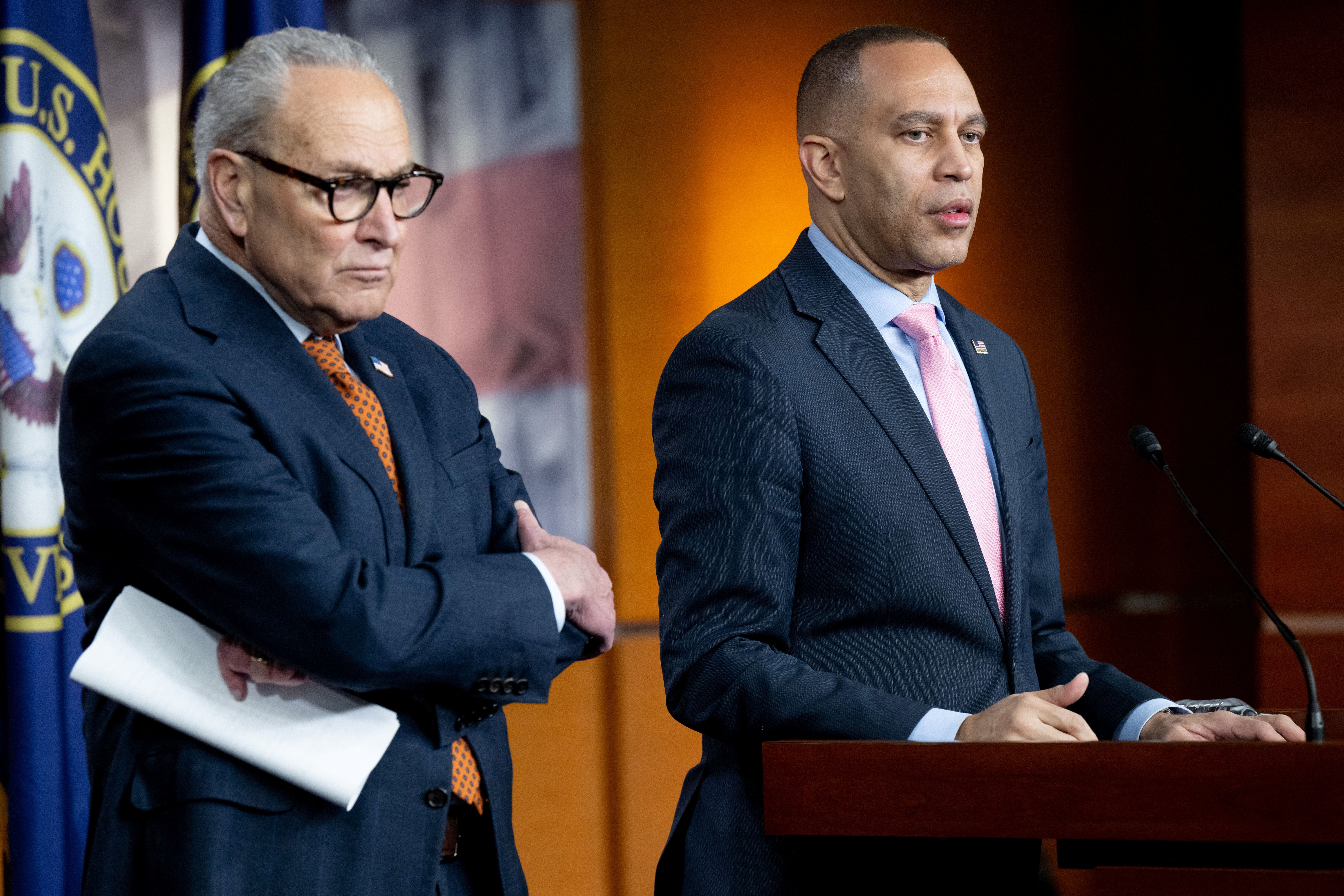
But Democrats need to be wary of past resting on laurels — or inattention to the concerns of voters beyond the drumbeat of ‘Trump and MAGA is bad’ and House Minority Leader Hakeem Jeffries should not start measuring the drapes in the speaker’s office just yet.
Democrats still have a long way to go when it comes to whether they can take back the House, let alone win the Senate. And there are always exceptions that prove the rule. Let’s start with one uncomfortable truth: The Democratic Party remains unpopular.
Not only that, a Quinnipiac University poll showed that only 42 percent of Democrats approve of the way Democrats in Congress are handling their job. By contrast, 77 percent of Republicans approve of how Republicans are doing their job.
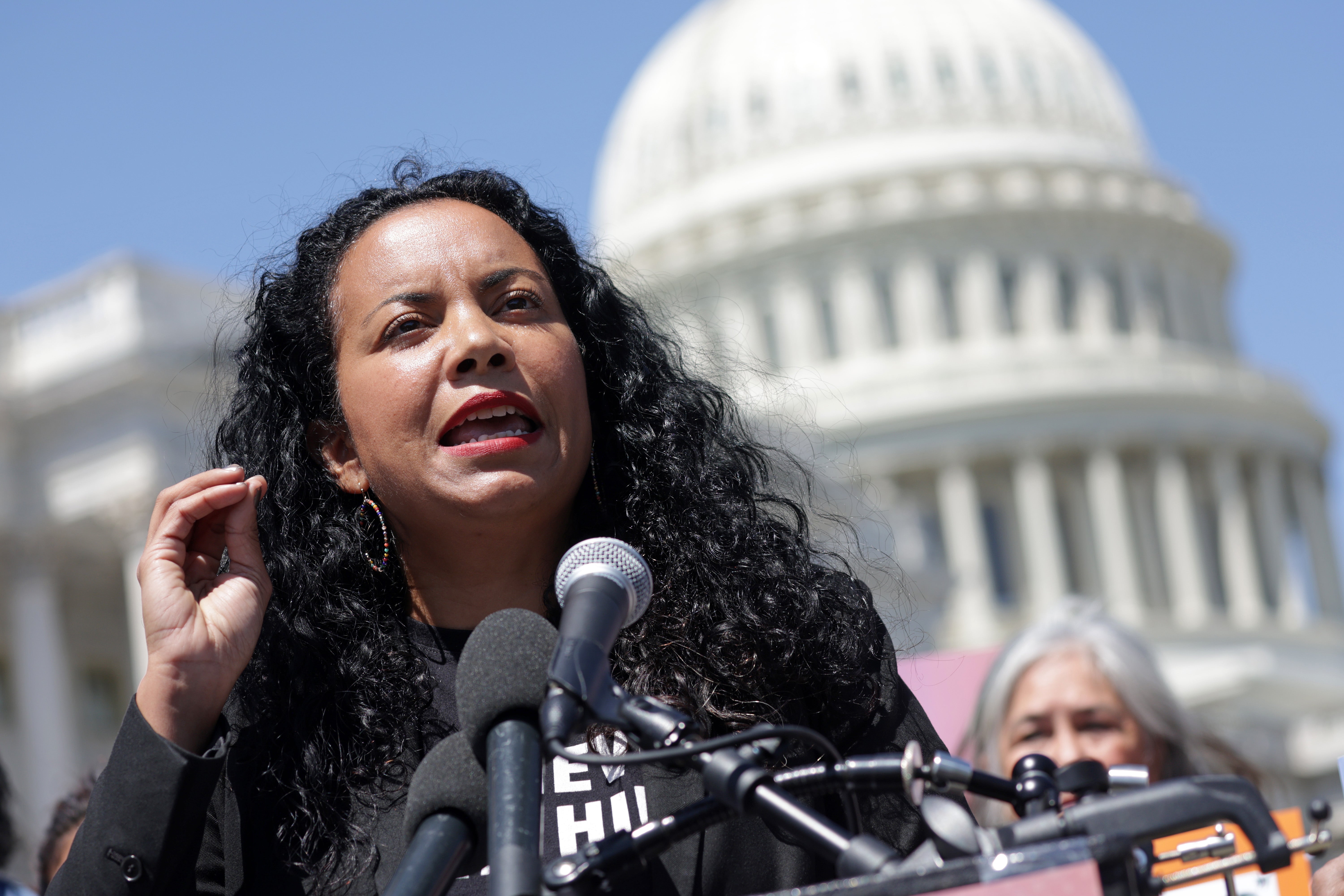
This can be perfectly exemplified by the fact that in New Jersey’s 11th district earlier this month, Analilia Mejia, a progressive activist, won a primary for Gov. Mikie Sherrill’s old seat, beating more establishment candidates. That simultaneously served as a warning shot for party leaders to get on the same page, but more moderate front-liners risk being roped in with the more left-wing insurgents.
Democrats face another hurdle: an unfavorable Senate map.
Last week, Sen. Susan Collins announced she would seek re-election in Maine. Democrats have long hoped to beat the moderate Republican ever since she won a seat in liberal New England. But she has continued to vex them and won despite sharing a ticket with Barack Obama in 2008 and Joe Biden in 2020.
Democrats caught a lucky break in North Carolina when Trump chased away incumbent Sen. Thom Tillis and created an opening for popular former Democratic governor Roy Cooper, who like Collins, wins over split-ticket voters.
Those are the easy ones. After that, they have to hope that Republicans in Texas nominate the embattled attorney general Ken Paxton to beat John Cornyn in the primary next month to have even a remote chance of winning. And it’s still Texas. Democrats caught a lucky break when former congresswoman Mary Peltola jumped into Alaska’s Senate race. But even though Alaska has ranked-choice voting, it’s still a state that Trump won by 13 points.
The other two options for Democrats aren’t that easy either. Iowa Sen. Joni Ernst announced her retirement, but Trump won the state by 13.3 points. Former senator Sherrod Brown, who lost in 2024, is running against Sen. John Husted, whom the governor appointed to finish JD Vance’s term. But Trump turned the state from purple to deep red in the past decade and won it by 11.2 points.
Trump defied the rules of political physics as long as he’s been on the political scene.
Democrats have long wanted Trump to have his comeuppance the way other presidents have had in their midterm elections. But almost every time there has been a vote that served as a referendum on Trump, the blue wave came with a caveat.

In 2018, when Democrats won the House of Representatives, they won 40 seats, far less than the walloping 63 seats Republicans won in 2010 in the Tea Party wave against Obama. On top of that, while Democrats flipped Senate seats in Arizona–beginning its turn to becoming a purple state–and Nevada, they lost seats in Florida, Indiana, Missouri and North Dakota.
The same thing happened in 2020.
That year, as Trump bungled the response to Covid-19, they hoped to grow their majority in the House and flip Senate seats in North Carolina, Iowa, Maine and even Kansas. Instead, they lost 13 seats and Trump actually grew his support among Hispanic and Asian-American voters. Democrats would only win Senate seats in Arizona and Colorado on Election Night and their future hinged on winning two runoff races in Georgia two months later when Jon Ossoff and Raphael Warnock would win their races.
Then, of course, there is 2024, when Democrats hoped to expel Trump. Instead, due to disapproval over rising costs and the Biden administration losing control of migration across the US-Mexico border, Trump won all swing states and, in fact, blue cities saw a bigger swing to Trump and he further consolidated his support among Hispanic voters.
This time may be different. There will be no impending Trump return and he can no longer be on the ballot. Whereas Joe Biden’s administration said inflation was temporary and the pain would eventually go away, the Trump administration denies Americans are even feeling the pinch from tariffs he imposed.
And midterms rarely require the minority party to craft a message other than to not be the party in power.
That being said, Democrats likely remember these painful near-victories and know they will need to fortify their offensive strategy.
Join our commenting forum
Join thought-provoking conversations, follow other Independent readers and see their replies
Comments
Bookmark popover
Removed from bookmarks