She was an orphan in Iran adopted by US veteran. The Trump admin wants to deport her
She is one of thousands of individuals adopted from abroad who were never granted citizenship due to a complex intersection of adoption and immigration law
A woman adopted as a toddler from an Iranian orphanage by an American war veteran, and raised as a Christian in the United States, is facing deportation to Iran – a country where Christians face severe persecution and which is currently on the brink of potential conflict with the US.
She is one of thousands of individuals adopted from abroad who were never granted citizenship due to a complex intersection of adoption and immigration law. The woman, whose name The Associated Press has withheld due to her precarious legal situation, recently received a letter from the Department of Homeland Security (DHS) ordering her to appear for removal proceedings before an immigration judge in California. She has no criminal record. The letter states she is eligible for deportation because she overstayed her visa in March 1974, when she was just four years old.
"I never imagined it would get to where it is today," the woman said, expressing her belief that, as a Christian and the daughter of an American Air Force officer, deportation to Iran could be a death sentence. "I always told myself that there is no way that this country could possibly send someone to their death in a country they left as an orphan. How could the United States do that?"
The already terrifying prospect of deportation has been amplified by recent geopolitical tensions, she noted, as the Trump administration began amassing a significant force of American warships and aircraft in the Middle East, preparing for potential military action against Iran if nuclear programme talks fail.
The Associated Press profiled the woman in 2024 as part of a wider investigation into how many international adoptees were left without citizenship because their American adoptive parents failed to naturalize them. The woman has spent years attempting to rectify her legal status, with the DHS aware of her situation since at least 2008. She estimates her file runs to thousands of pages and remains unsure what prompted the sudden threat of removal.
The Trump administration has pursued a mass deportation campaign, asserting it is removing the "worst of the worst" criminals. However, many individuals with no criminal records have been caught in the dragnet. The woman’s only interaction with law enforcement she can recall was being stopped 20 years ago for using her phone while driving. She works in corporate healthcare, pays taxes, and owns a home in California.
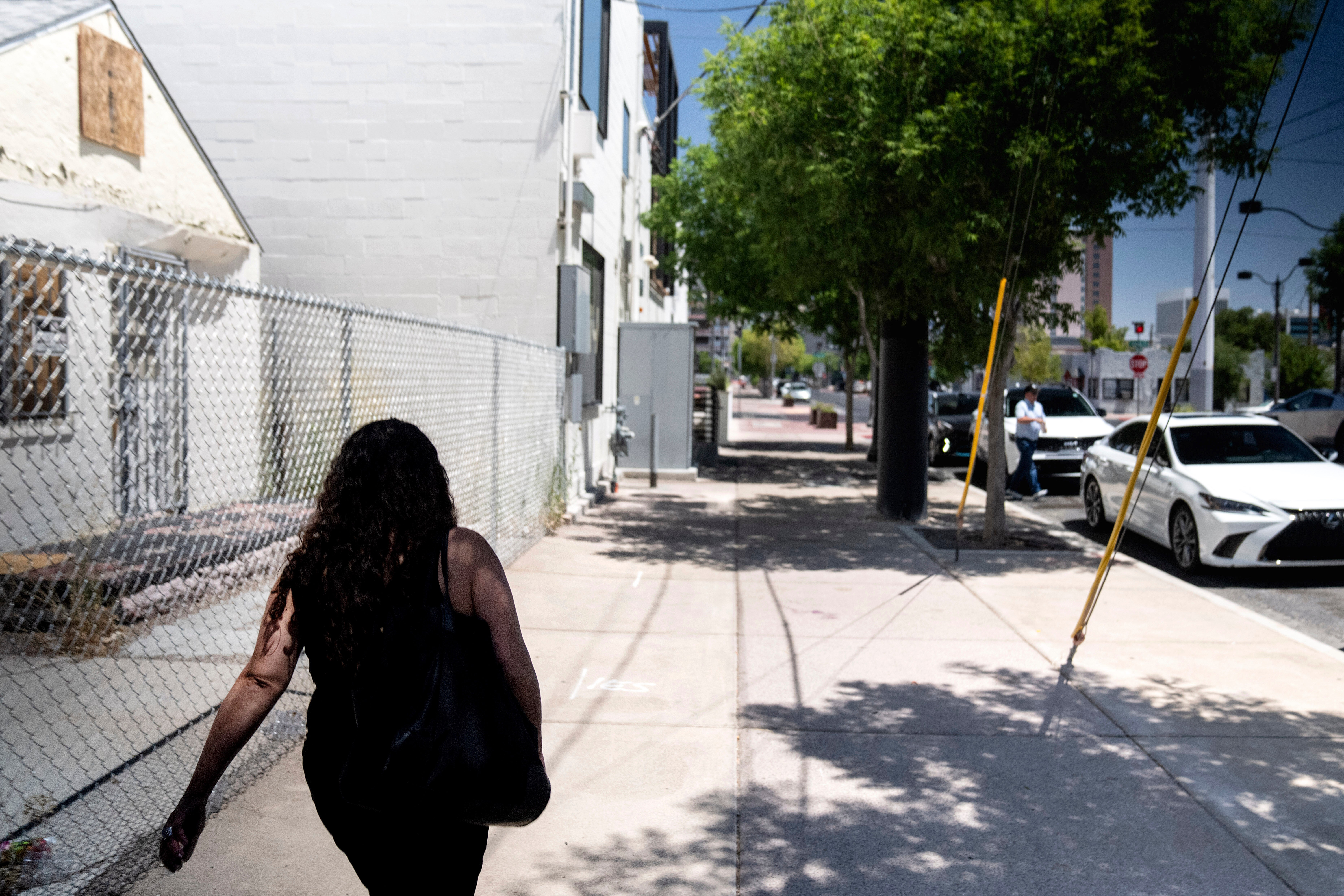
"When the media refuses to give names, it makes it impossible to provide details on specific cases or even verify any of this even happened or that the people even exist. If you can’t do your job, we can’t do ours," the Department of Homeland Security stated. The AP did not provide the woman's name but sent a detailed description of the letter she received, the stated reasons for her deportation eligibility, and her original court date of March 4. A judge has since delayed the hearing to later next month and agreed with her attorney, Emily Howe, that the woman does not have to appear in person – a relief given concerns that immigration officers might be waiting to detain her.
Adopted in Iran when she was 2
The woman’s father, a World War II prisoner of war, retired from the Air Force and worked as a government contractor in Iran. He and his wife found her in an orphanage in 1972 and adopted her when she was two years old. They returned to the US in 1973, with a local newspaper running a full-page story about the family and their new daughter. Her adoption was finalized in 1975.
However, at that time, parents were required to naturalize adopted children through the federal immigration agency separately. Both of the woman’s parents have since passed away.
She only discovered she had not been naturalized when she applied for a passport at the age of 38. She still does not understand how the oversight occurred. Searching her father’s papers, she found a 1975 letter from a lawyer stating he was working with immigration officials, concluding, "it appears this matter is concluded," and billing her father for his services.
She has not kept her situation secret, seeking help for years from the State Department, immigration officials, and senators. She contacted her congresswoman, Rep. Young Kim, a Republican from California, but to no avail. Kim’s office recently responded to her plea about her pending removal by stating they were "not able to advise or interfere."
"It just baffles me that it’s OK to send me to a foreign country that I could potentially die or I could get imprisoned because of a clerical error," she said.
More recent adoptees do not face this legal limbo. Congress passed a bill in 2000 to rectify the issue, conferring automatic citizenship on everyone legally adopted from abroad. However, the law was not made retroactive and applied only to those younger than 18 when it took effect; anyone born before the arbitrary date of February 27, 1983, was excluded.
Coalition tries to protect older adoptees
A bipartisan coalition, ranging from the Southern Baptist Convention to liberal immigration groups, has since lobbied Congress to pass another bill to assist older adoptees excluded by the law, but Congress has not acted. Some lobbyists now argue that the administration’s threat to deport an adoptee is precisely the scenario they worked hard to prevent.
"I’m horrified. It’s rare for me to feel shocked by a story these days. But this is an absolutely unbelievable situation," said Hannah Daniel, who, as director of public policy for the Ethics and Religious Liberty Commission, the lobbying arm of the Southern Baptist Convention, spent years urging legislators to address the issue.
Intercountry adoption has been a rare topic championed by lawmakers across the political spectrum. Many Christian churches advocate intercountry adoption as a biblical calling, mirroring God’s welcome of believers into a family of faith.
Daniel, who recently joined World Relief, a Christian humanitarian organisation, said threatening to send a Christian adoptee to Iran represents a collision of two issues she and many other Christians deeply care about: international adoption and the persecution of Christians globally.
"That is what is most troubling to me about this: We are a nation that prides itself on fighting for religious freedom both here and abroad," Daniel said. "And it feels so antithetical to that to then say we’re going to send this person who, for me, is a sister in Christ to face a death sentence." She called it "un-American and unconscionable."
Converts to Christianity in Iran face intense discrimination
Ryan Brown, chief executive officer of Open Doors, a non-profit supporting persecuted Christians worldwide, explained that while some Christians in Iran are Christian by birth and face widespread discrimination, the situation is far worse for those considered converts from Islam. He expects a deported adoptee would be viewed in the latter category – as a convert.
"It is assumed that you are an enemy of the state. It is assumed that if you are a Christian, that you are aligned to the West and you desire to see that the regime toppled," he said. "There is no benefit of the doubt extended."
Converted Christians are routinely arrested, with some sentenced to death. "Their prisons are world renowned for their deplorable conditions," Brown said, citing a lack of sanitation, scarce food, water, and healthcare. Iranian prisons are "notoriously more evil for women," he added, with women routinely reporting sexual assault by captors and some forced into marriages.
Brown, an adoptive father himself, struggled to contemplate what a Christian woman, accustomed to the freedoms of the United States, might experience if forced to return to Iran. She does not know the language or customs, having lived a fully American life. "I cannot even fathom that," Brown said. "My prayers are with her."
The woman believes Iran would likely view her with even greater suspicion given her father’s military service and work as a US government contractor. She grew up listening to his war stories, reading the journal he kept as a prisoner of war, and was proud of his sacrifice and service to a country she believed had saved her.
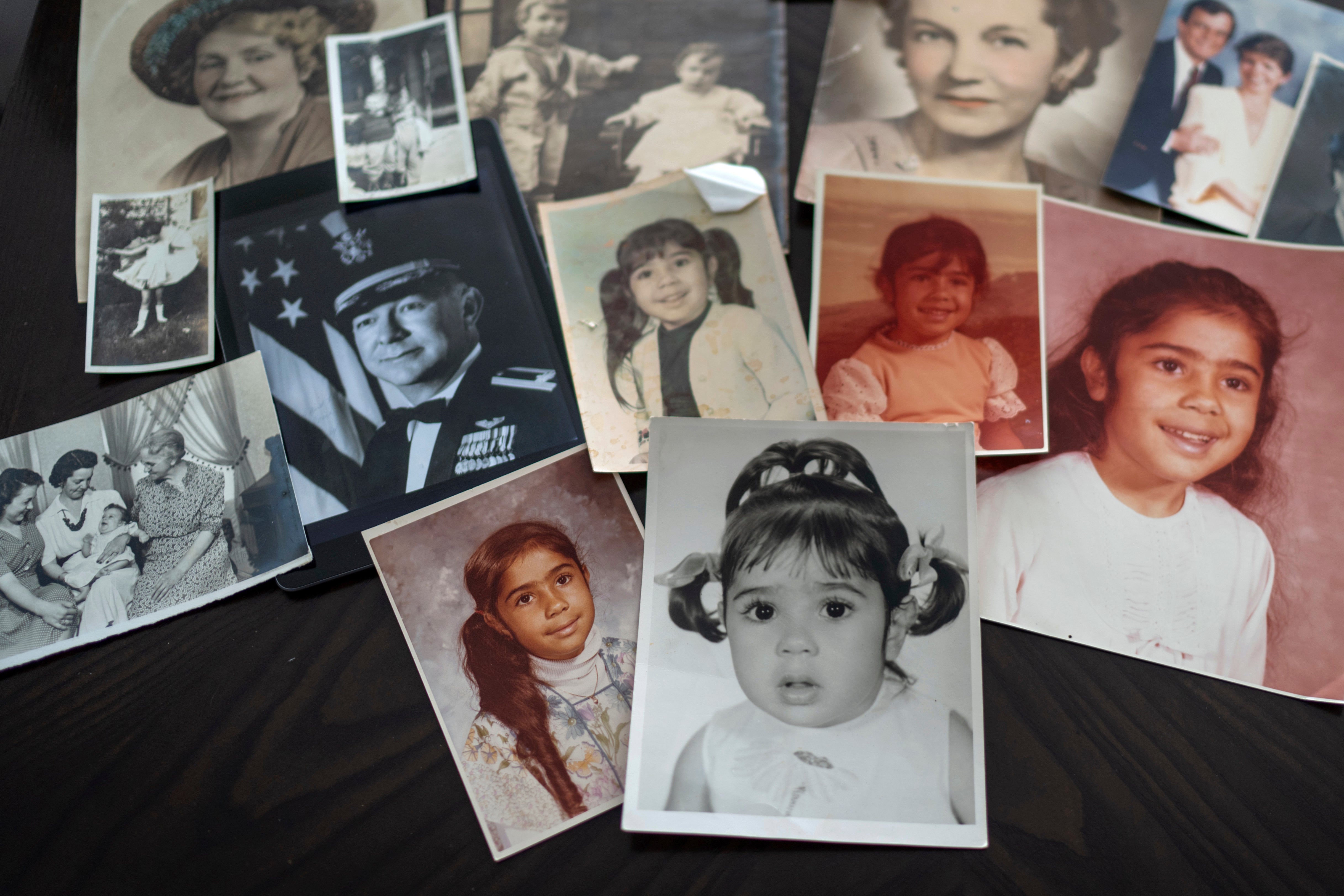
When she feels sad or scared now, she looks at her favourite photo of him in his military uniform, medals on his left shoulder, a slight, confident smile on his face. "I’m proud of my father’s legacy. I’m part of his legacy. And what’s happening to me is wrong," she said. "And I know that he was here, it would break his heart to know that I’m on this path."
Bookmark popover
Removed from bookmarks