Stephen Colbert and CBS upended Jasmine Crockett’s Senate hopes in Texas. Here’s why influencer Democrats are furious
The congresswoman’s high-profile supporters are seething, writes John Bowden, as her opponent basks in the national limelight — and rakes in donations after Colbert takes their interview to YouTube
The race for a U.S. Senate seat in Texas took a sharp turn this week after CBS and Stephen Colbert gave one Democratic candidate an unintentional boost at precisely the right moment to catch the eye of voters.
Now, his opponent’s supporters are furious and threaten to turn an already acidic race into one reminiscent of the 2016 presidential primary between Hillary Clinton and Bernie Sanders — and one that could paint a bleak picture for 2028.
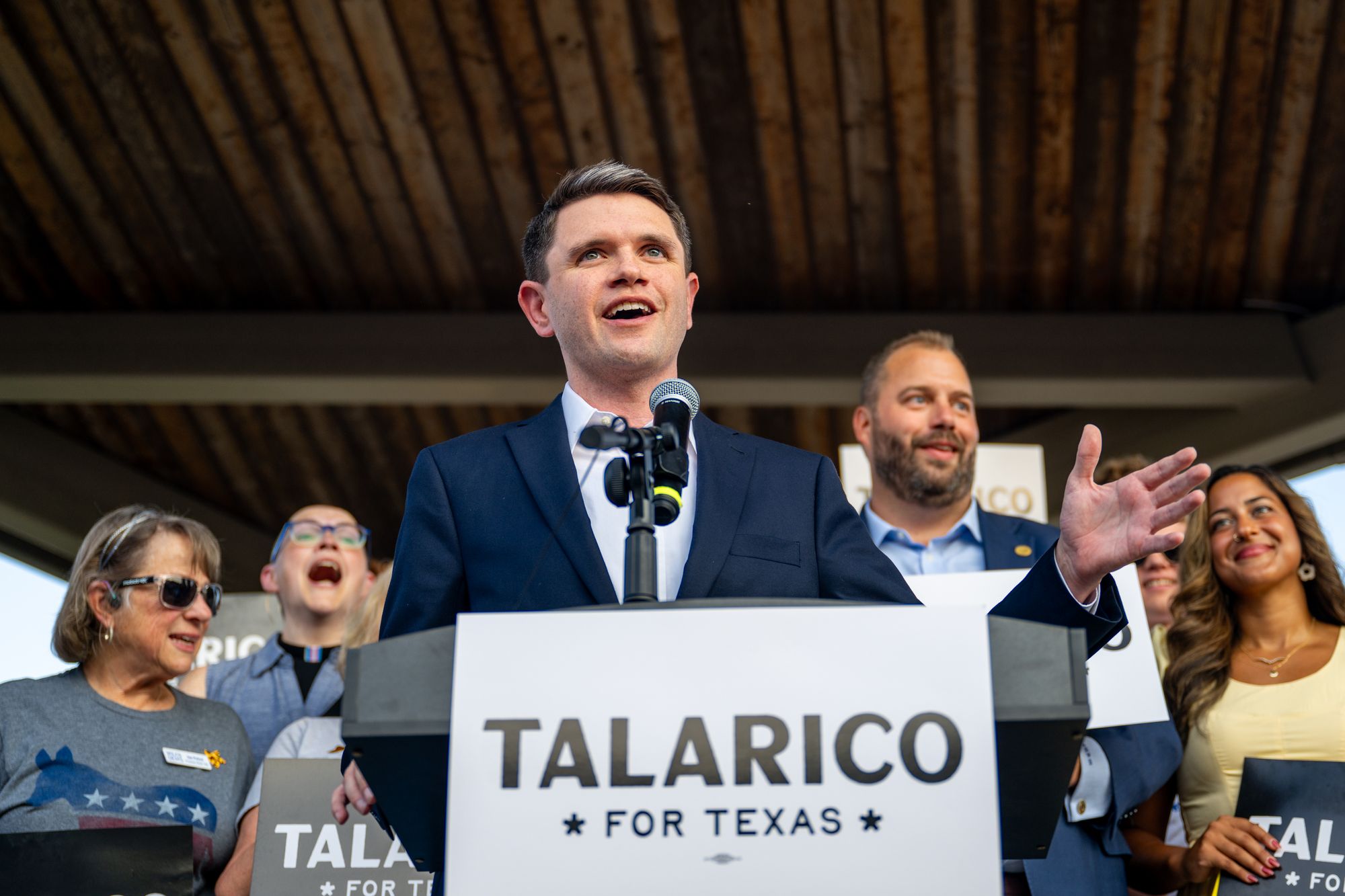
Rep. Jasmine Crockett and state Rep. James Talarico were running neck-and-neck for the Democratic nomination at the beginning of the week, with various polls showing the two primary candidates both in the lead at times.
That likely shifted on Monday evening, when late-night host Stephen Colbert dropped a bombshell. His network, Colbert said, was demanding that he not air an interview with Talarico in an effort to appease the Trump administration and the FCC. And Colbert, whose show is widely viewed as having been cancelled come May for the same reason, let both the FCC and Trump himself have it during his monologue.
“Let’s just call this what it is: Donald Trump’s administration wants to silence anyone who says anything bad about Trump on TV, because all Trump does is watch TV,” Colbert said.
The result was utterly predictable. Despite denials issued by CBS (which Colbert literally trashed, on-air), the segment with Talarico’s interview blasted through the walls of political circles and Democratic partisans into the mainstream, racking up millions of views in hours. It currently sits at 7.7m views, a figure which will likely be outdated soon. A separate clipped segment with Colbert explaining the network’s decision trailed closely behind in total viewership.
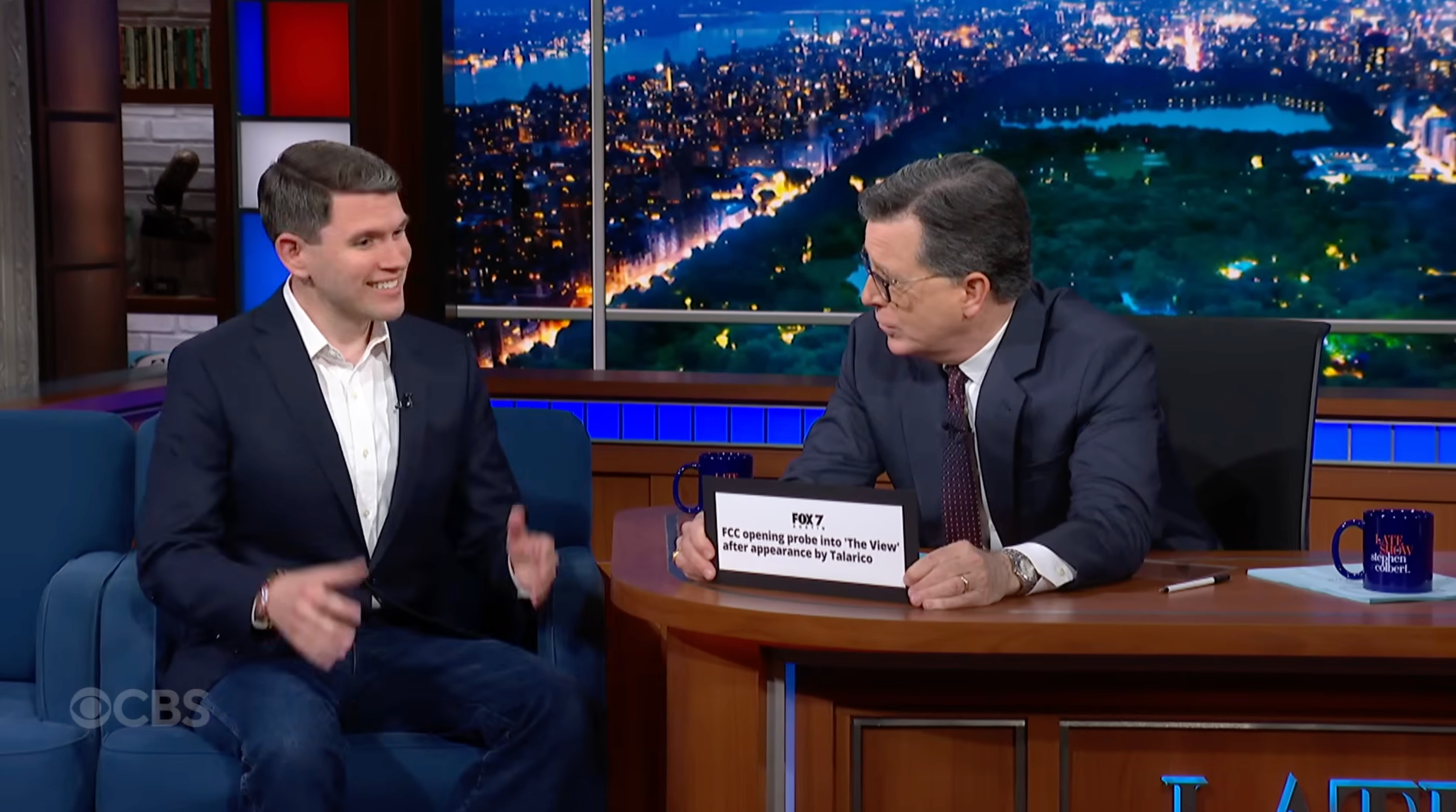
Talarico’s campaign capitalized on the snub. In two days the state representative’s team pulled in a staggering $2.5m in donations, an amount the campaign would typically raise in a concerted effort over several weeks.
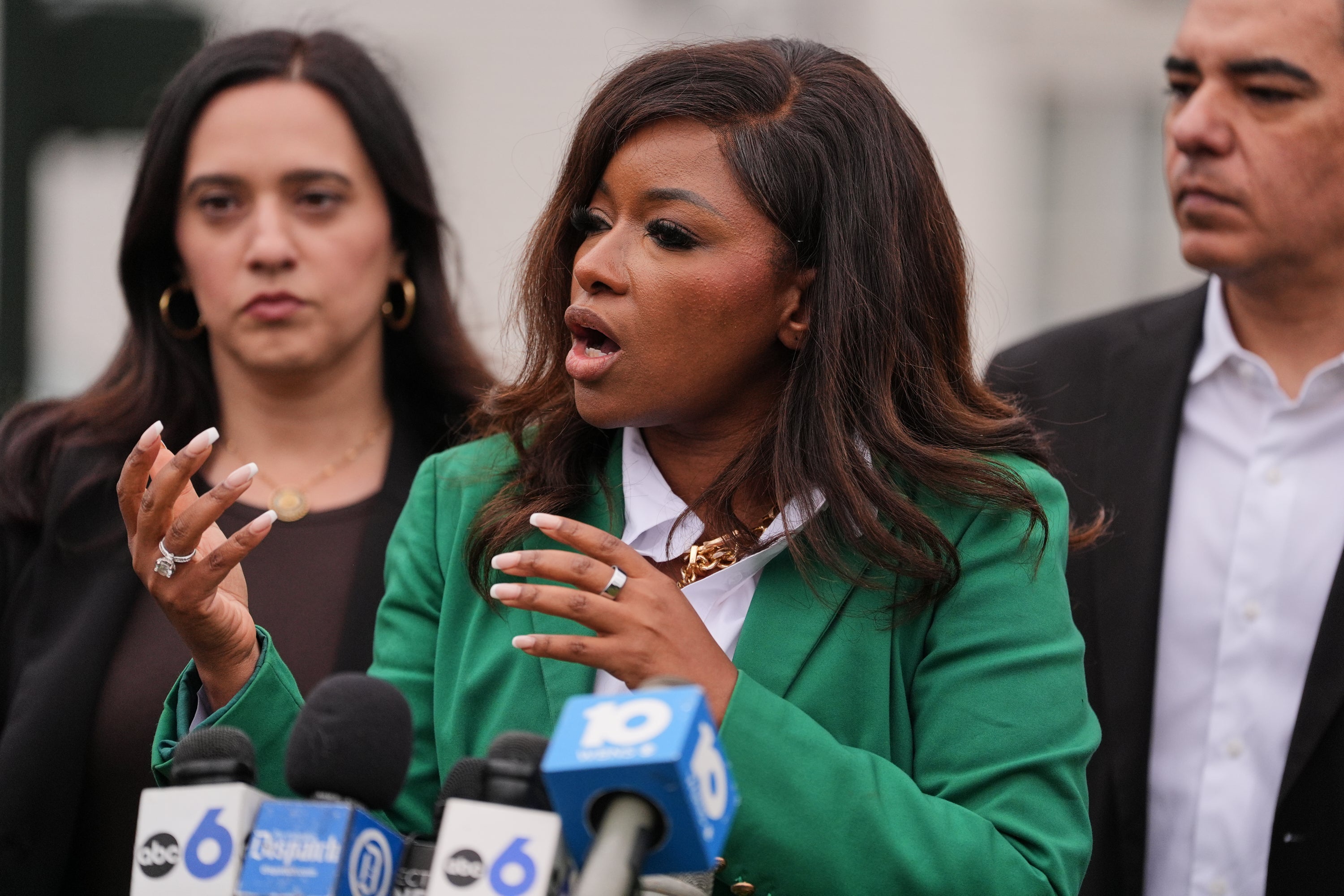
Crockett and her supporters, meanwhile, are clearly unhappy. The congresswoman griped about how the CBS incident “just so happened to play out on the very first day of early voting” during a press conference on Wednesday, and said that her opponent had likely been given a “boost” by the fiasco.
“I think it’s probably better that [Talarico] didn’t get on and that they went straight to streaming,” Crockett added during an interview with Jen Psaki, Joe Biden’s former press secretary, on MSNOW. “Because we know that when we resist and when we know that it seems like they’re trying to change the rules and bend to the knee of or bend the knee to this president, that it backfires in historic fashion.”
“I think it probably gave my opponent the boost he was looking for,” she added.
On X, Instagram and TikTok Crockett’s supporters have responded with fury to news of Talarico’s sudden surge in fundraising and support.
“This seems like a setup to boost Talarico,” wrote one on the left-leaning app BlueSky.
Mike Nellis, a Democratic strategist, suggested the move was planned by Donald Trump’s allies to help Talarico: “They created more attention, and now they’re going to help Talarico win this primary. Just no restraint from these people.”
The controversy is adding another layer to a race that was already becoming toxic after a Crockett-supporting influencer accused Talarico of making a disparaging comment about Colin Allred, a former candidate in the race, who like Crockett is Black. Talarico strongly denied the accusation, but accusations of outright race-baiting and other ugly language has been traded online by individual supporters of the two candidates in response.
One Democratic-aligned political operative in the state lamented how “stupid” the race had become, and blamed the fixation of Democratic-aligned social media influencers for the tone and tenor of the conversation.
“There's eight people, most of whom don't live in Texas, who are fighting on the internet and that is driving [the conversation],” they told The Independent.
Others fear that it could be a sign of things to come, given the newfound importance the Democratic National Committee placed on reaching new media in 2024. That focus on new media has included both the long-form, casual interviewing space of the podcasting sphere as well as conversations with a new generation of political pundit inhabiting the social media space. It’s even caused some self-reflection from some of those content creators themselves.
“I have just been really gut-wrenched at what this primary has become, and it’s not even because of words that are consistently coming out of each candidate’s mouth,” the Texas-based Democratic influencer Olivia Julianna told the Texas Tribune. “We would all do a lot of good if every once in a while we realized social media is not real life.”
A Texas-based Democratic strategist who spoke to The Independent on Thursday argued that, despite their denials, influencers were adding fuel to nasty intra-party disputes because of the age-old financial incentives presented by ultra-partisan media.
“If you look at the incentives of these people, their incentives are to insert themselves into this race. And like, you know, there's a lot of people saying a lot of things on the internet, but like, largely what we're talking about is a fight between eight people, none of whom work for either campaign,” said Luke Warford, founder of the Agave Democratic Infrastructure Fund.
Warford, who said that the whole ordeal put Talarico a few points ahead of his opponent, explained that the party was witnessing the “downside” of embracing newer media, a necessity for remaining relevant for many campaigns in 2026 but also one that presents a new landscape with new rules for engagement.
“The theory was correct that we should work with influencers. I just think people didn't think through the downsides and the risks of that,” he said.

The two candidates will almost certainly face a runoff after voting concludes on March 3. That runoff will be in May, ensuring that the two candidates and their respective sides of the Democratic base have weeks to snipe at eachother in the media before a final vote occurs.
Luckily for Democrats, the Republican side is no friendlier. A messy battle between incumbent Sen. John Cornyn and two primary challengers has been playing out for months, with Cornyn trailing his closest challenger in the polls and routinely trading insults with the Republican who may unseat him, state Attorney General Ken Paxton. In Texas, both parties are now eyeing their respective primaries nervously as they try to determine how much damage the fallout could cause later in 2026 — or beyond.
Join our commenting forum
Join thought-provoking conversations, follow other Independent readers and see their replies
Comments
Bookmark popover
Removed from bookmarks