Zoo shares photos of first panda cub to be locally born in Indonesia
A zoo on Java island has released photos of Indonesia’s first locally-born giant panda cub
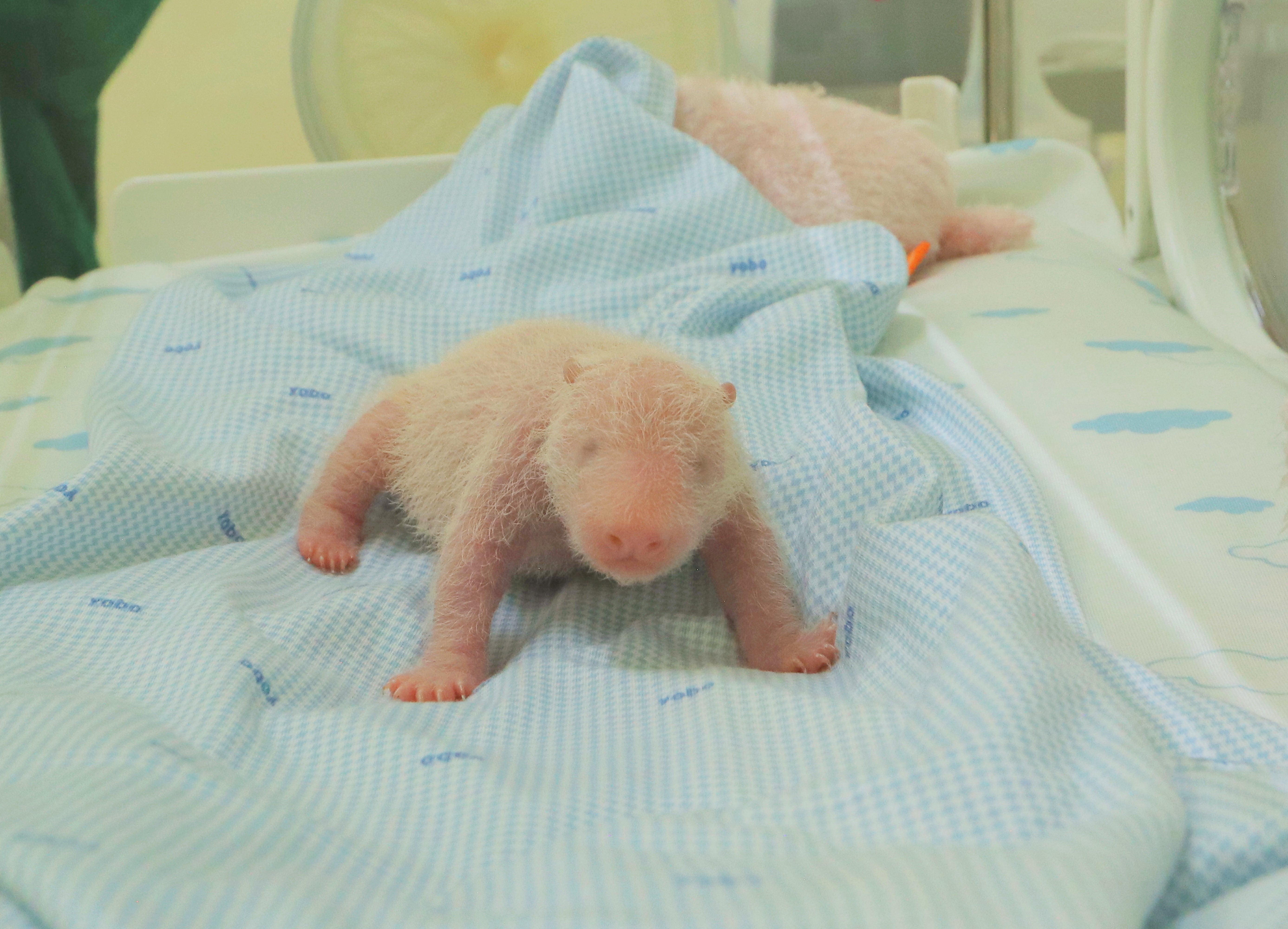
Indonesia is celebrating the arrival of its first locally-born giant panda cub, a male named Satrio Wiratama, affectionately known as Rio. Born on 27 November at Taman Safari Indonesia zoo in Cisarua, West Java, the healthy cub marks a significant milestone in the nation's conservation efforts.
The 15-year-old mother, Hu Chun, gave birth to Rio, whose name symbolises the hope, resilience, and shared commitment of Indonesia and China in protecting endangered species. Indonesian President Prabowo Subianto announced the cub’s name last Thursday, showcasing his photo during a meeting with top Chinese political advisor Wang Huning.
Zoo officials confirm Rio is in stable condition, under constant 24-hour monitoring. Early signs of health include strong vocalisation, effective nursing, and steady weight gain. Over the next one to two months, he is expected to develop better temperature control, grow fur, open his eyes, and begin early motor movements.
Taman Safari Indonesia stated: "This birth is the result of a long-term international cooperation program that has been ongoing for a decade, since the arrival of giant pandas Hu Chun and Cai Tao to Indonesia in 2017 as part of a 10-year conservation partnership with China." The zoo added that the baby panda is not yet accessible to the public, prioritising the health and welfare of the mother and her baby.
Rio’s parents, Cai Tao and Hu Chun, arrived in Indonesia in 2017 and reside in a "palace-like" enclosure at the zoo, located around 70 kilometres from Jakarta. Giant pandas, often considered China's unofficial national mascot, are central to Beijing’s "panda diplomacy" – a soft-power tool involving loan programmes with overseas zoos. Their births are particularly welcomed due to breeding difficulties, with fewer than 1,900 remaining in their wild habitats across China's Sichuan, Shaanxi, and Gansu provinces. The zoo invites the public to "join in praying for the baby panda’s development so that it remains healthy and safe in the early stages of its life."