How Lisbon, the city of light, is coping with its darkest day after tragic crash
The sight of one of the capital’s most loved landmarks being the cause of so much tragedy has been heartbreaking for locals, who are now in mourning for those who have lost their lives and for their city, which has lost something so precious, writes Victoria Harper


My phone started pinging around 8pm last night. Slowly, the news was spreading that a terrible accident had happened in Lisbon a few hours earlier. The iconic Glória Funicular in the historic neighbourhood of Bairro Alto had derailed, killing 16 people, with dozens more being pulled from the wreckage. I had been in Lisbon for most of the summer; my husband and his family are from there. My English friends wanted to know if I was still there – was I OK?
I was, in fact, in London, having returned a day before, and luckily, none of our family or friends were involved in the accident. However, everyone from Lisbon has been deeply affected by the tragic events of Wednesday evening.
One friend texted me: “It is terrible, just terrible. Our hearts are breaking. It will be hard to recover from this.” Another wrote: “I live so close, I didn’t sleep. It’s a reminder to give thanks and how we have to enjoy every moment of our life.”
The mayor of Lisbon declared three days of municipal mourning, in addition to the national day of mourning announced by the Portuguese government. The city of light is in shock, struggling to comprehend such darkness and death at its physical heart.
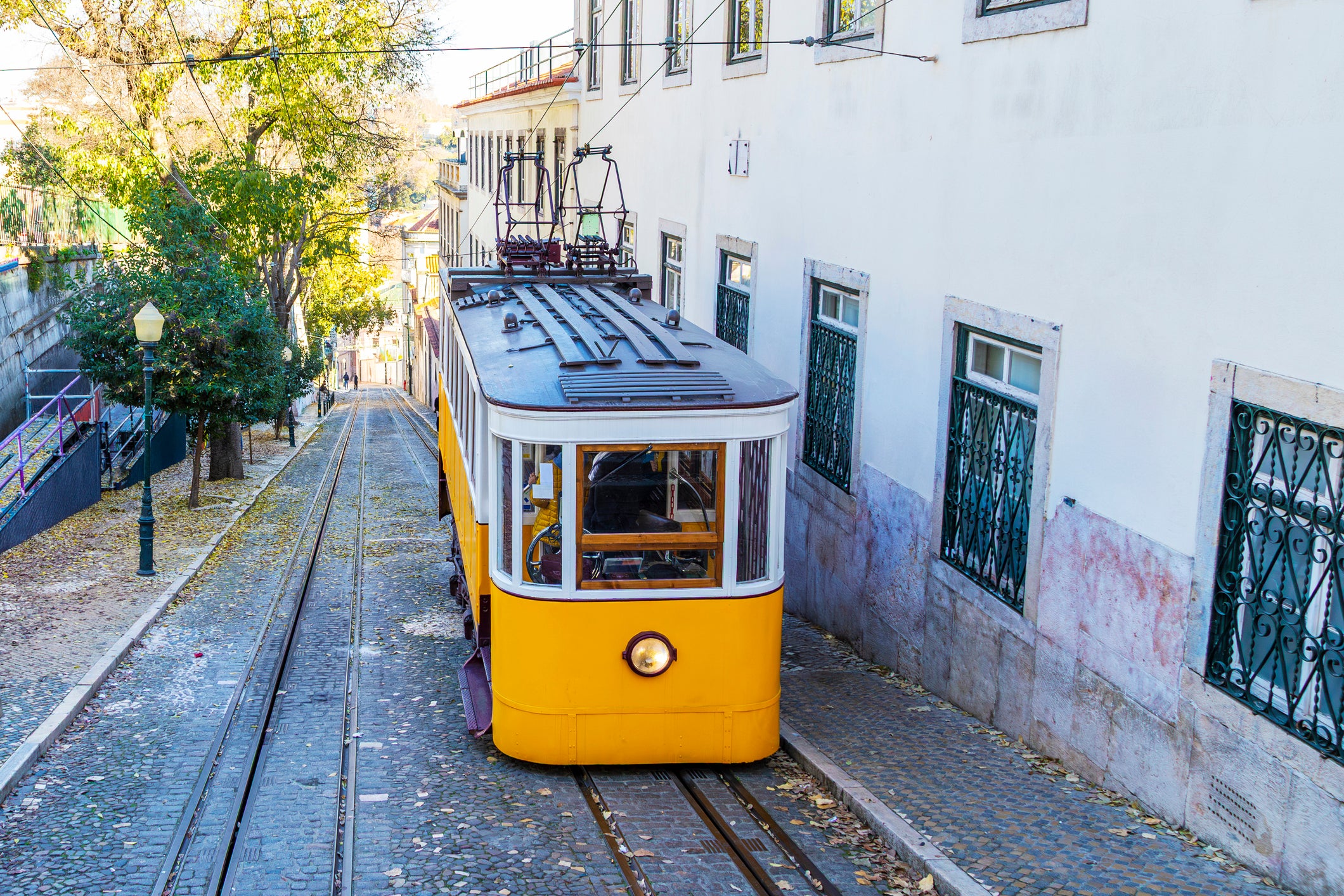
Everyone knows the Elevador da Glória. One of four funiculars in the city, it is one of the city’s most charming landmarks, forming the backdrop to a million tourist pictures. Even if people don’t ride it, few can resist photographing the cable-operated funicular that was built over 130 years ago.


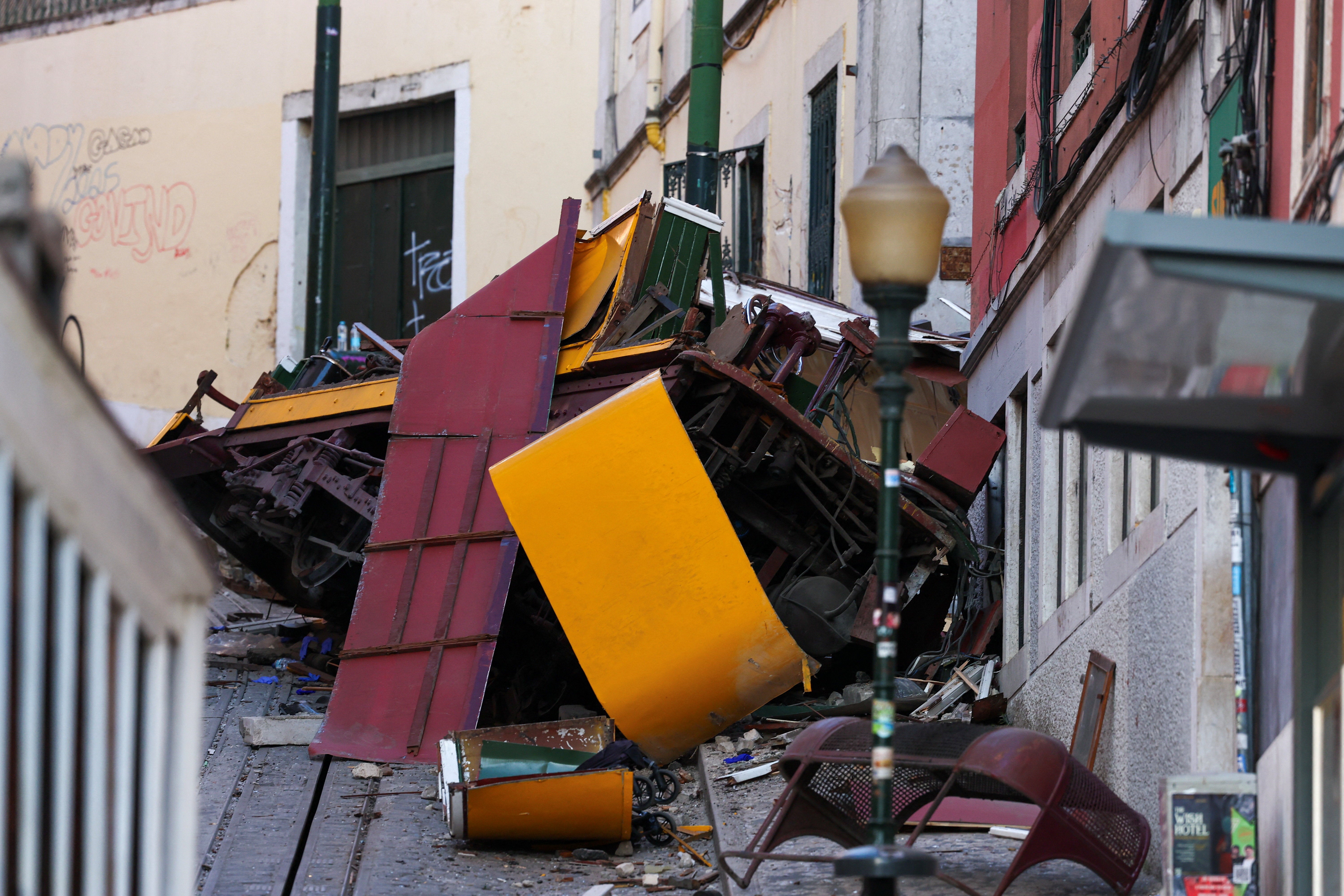
Painted in the city’s signature sunshine yellow, it brings squeals of delight from adults and children alike as its rickety frame shuttles tourists and locals up and down one of the city’s most famous seven hills. Framed by colourful street art on the walls that surround it, it is something playful and joyful – so to see it on its side, in a heap of twisted and crumpled smoking metal, marking a scene of such horror, has stopped Lisbon in its tracks.
“It’s a tragic day for our city… Lisbon is in mourning, it is a tragic, tragic incident,” Carlos Moedas, the mayor of the Portuguese capital, told reporters yesterday.
Anyone who has visited the city will be familiar with the historical trams, which crisscross Lisbon’s most historic neighbourhoods – the most famous being Tram 28, which winds through the narrow streets of Alfama, Baixa, and our neighbourhood, Graça. Anyone who has spent more than an afternoon in Lisbon knows how physically demanding this capital is. A friend who came to visit me this summer couldn’t believe he had clocked over 17,000 steps after I took him on a “quick” trip downtown.
While locals mostly zip around the city on its metro or super-cheap Ubers, leaving the overcrowded trams to tourists and their iPhones, the funiculars still provide a service for locals as well as visitors. They were built not for long-distance travel but specifically to climb Lisbon’s steepest hills, and a quick hop on is sometimes just too hard to resist.
A fourth funicular was opened in Graça just last year, to much relief from locals, as it had been subject to years of delays. A full 140 years separate it from Lisbon’s oldest funicular, Elevador do Lavra, which runs between Largo da Anunciada and Rua Câmara Pestana, near Avenida da Liberdade.
Whereas the trams run on rails along the city streets, clanking noisily as they pass, powered by overhead electric cables, the funicular has two cars connected by a steel cable that runs under them for the full length of the slope. A pulley system at the top station (and sometimes at the bottom too) keeps the cable tight and moving. When one car goes up, the other comes down, using its weight to balance the other. Crucially, unlike the trams, there is no (often grumpy) driver controlling speed – the movement is managed by the central pulley system.
What caused this terrible accident is still unknown. President Marcelo Rebelo de Sousa said he hoped authorities would soon establish exactly what happened. Initial reports suggest the cable for the funicular came loose. A spokesperson for the operator, municipal public transport company Carris, said, “All maintenance protocols had been carried out”, including monthly and weekly maintenance programmes and daily inspections.
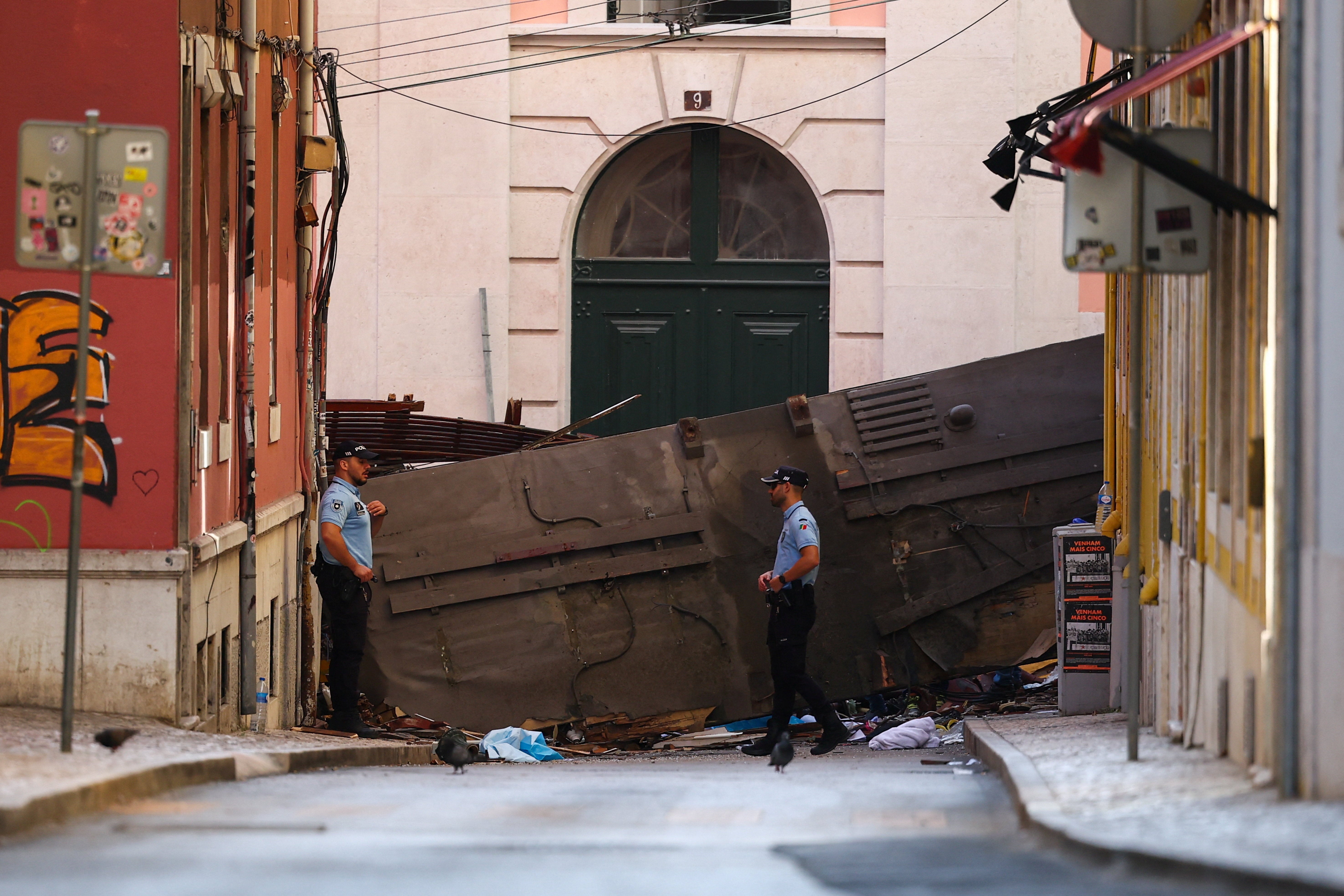
Those living nearby tell me how impressed they were by the local authorities’ actions in the immediate aftermath of the accident. One friend who lives in the nearby Principe Real neighbourhood says: “They handled it really well. Firefighters, police, medics got here right away. They created a perimeter, did triage, put several hospitals on alert, and set up a control tent, etc.” My sister-in-law, too, was quick to tell me how the mayor was, “swift and effective, he quickly suspended the other elevadors [elevators]”.
Whether that mood changes next month, when the local mayoral election is held, will depend on what caused this terrible event. This is a city grappling with rapid change – whose residents are increasingly frustrated with unaffordable housing, crumbling infrastructure, and the cost of living crisis exacerbated by low national wages.
Having seen how tourism has transformed this city in the past 20 years, where traditional shops and neighbourhoods are being eroded, I understand the local disquiet over digital nomads and others making the city unaffordable for native Lisboetas. To many of my family and friends there, it can often feel that tourists’ needs are being put above theirs.
Time will tell whether these local complaints will get tangled in the wreckage of Elevador da Glória further down the line. But for today, Lisbon is remembering those who lost their lives and mourning the loss of a small part of it that made it one of the most charming and loved cities in the world.
Join our commenting forum
Join thought-provoking conversations, follow other Independent readers and see their replies
Comments
Bookmark popover
Removed from bookmarks