What is Nato and is Poland a member?
Military alliance was created in aftermath of WWII in hope of bringing an end to bloody conflict between nations
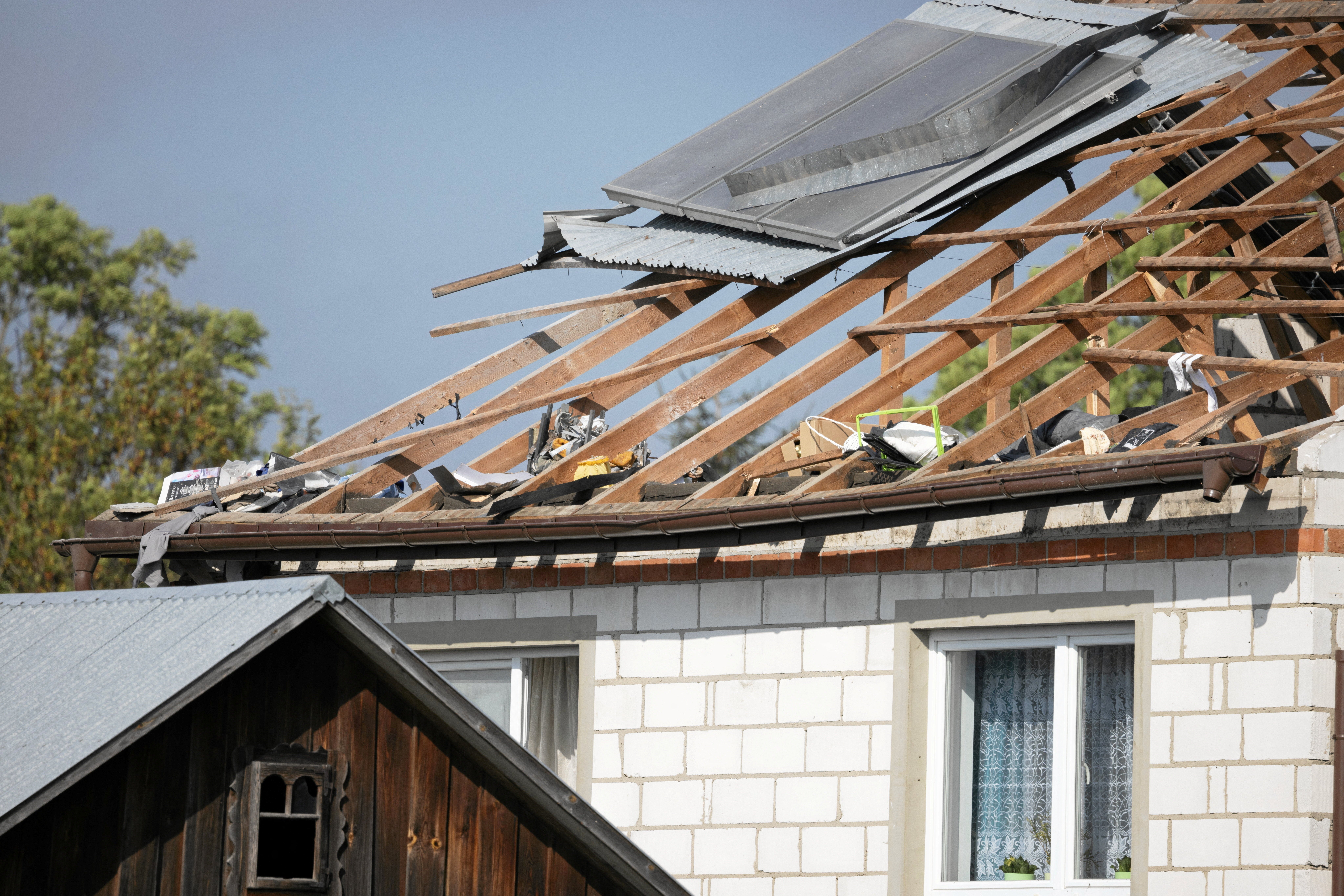
Poland’s prime minister Donald Tusk has warned the country is the closest to armed conflict since World War Two after its military shot down a “huge number” of Russian drones in its airspace.
There were 19 intrusions into Polish airspace on Tuesday night with many drones entering from Belarus, Mr Tusk said in parliament, adding that three drones were confirmed to have been shot down, with the fourth being likely.
"The fact that these drones, which posed a security threat, were shot down changes the political situation. Therefore, allied consultations took the form of a formal request to activate Article 4 of the Nato Treaty," said Mr Tusk. Poland needs more than expressions of solidarity, he added.
Article 4 will not invoke a military response, but calls for discussions and consultations between Nato countries after one believes their security is threatened.
Nato is not treating the drone incursion into Polish territory as an attack, a Nato source has told Reuters.
Initial indications suggested an intentional incursion of six to ten Russian drones.
"It was the first time Nato aircraft have engaged potential threats allied airspace," the source said, adding Nato's Patriot air defence systems in the region had detected the drones with their radars but not engaged them.
Is Poland part of Nato?
Nato is a political and military alliance of North American and European countries forged in the aftermath of the Second World War in the hope of avoiding future bloodshed and hostilities between nations through the realisation of three specific goals: deterring Soviet expansionism, preventing the revival of militant nationalism and encouraging European political integration.
Poland is a member of Nato and has been since 1999. It invests more than 4 per cent of of its GDP on defence, more than any other member of the alliance.
Nato has its headquarters in Brussels, Belgium, and its current secretary general is Mark Rutte.
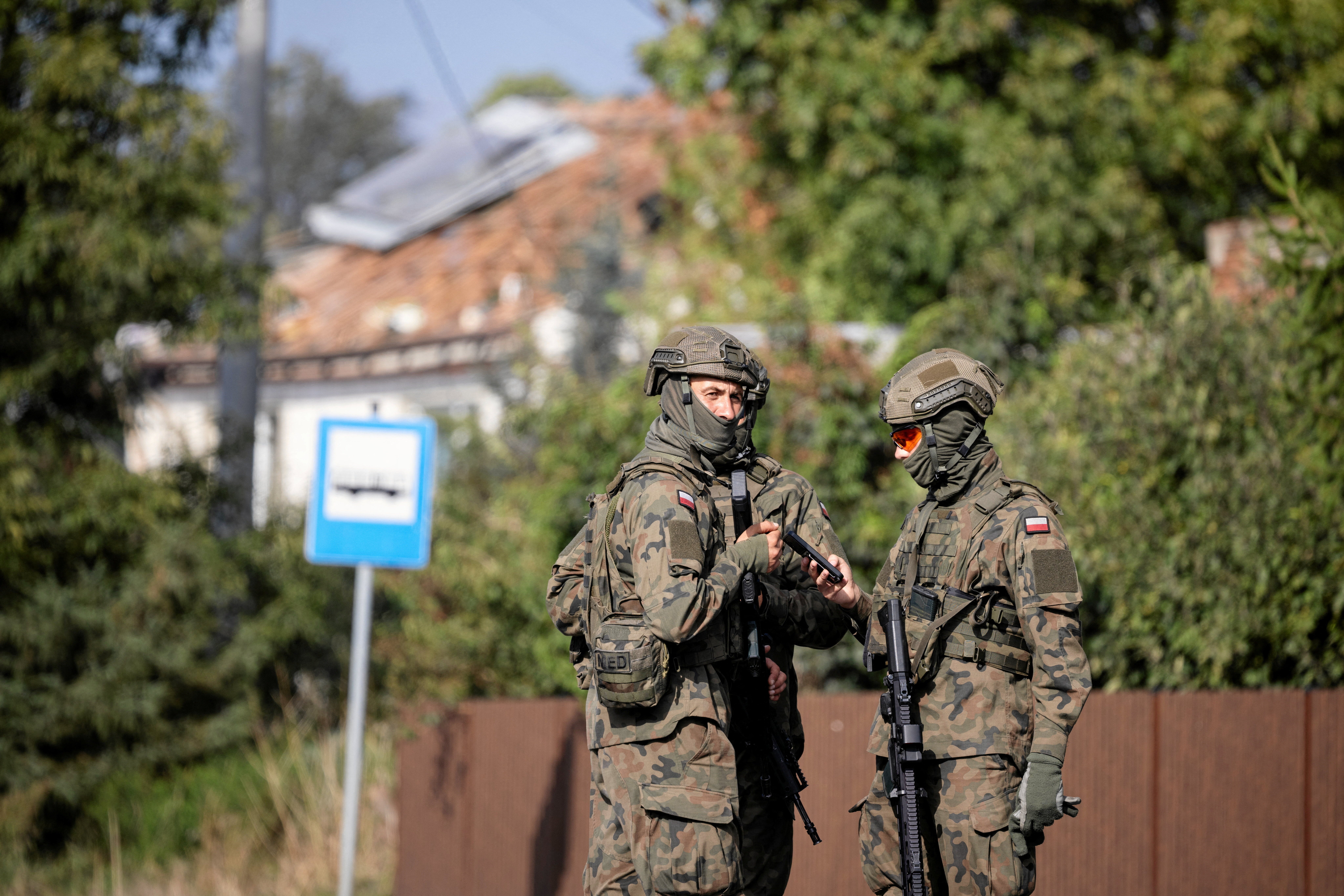
Its 31 member states are obliged by Article 5 of the North Atlantic Treaty of 4 April 1949 to come to the aid of any fellow signatory in the event that they should come under attack from a foreign power.
In its own words: “Nato is committed to the peaceful resolution of disputes. If diplomatic efforts fail, it has the military power to undertake crisis-management operations.”
How was Nato formed?
Originally born of the Treaty of Dunkirk signed by Britain and France on 4 March 1947, Nato was created to contain any future military threat from a revived Germany or the USSR at a time when the Marshall Plan was attempting to bring economic deliverance to a continent still in recovery from a war that had killed 36.5 million people.
Nato was soon expanded to include Belgium, the Netherlands and Luxembourg and then the US, Canada, Portugal, Italy, Norway, Denmark and Iceland.
.jpeg)
Holding firm throughout the Cold War and evolving its approach in response to such tense diplomatic episodes as the Cuban Missile Crisis, the Vietnam War and the USSR’s invasion of Afghanistan, the alliance was given a new lease of life with the fall of the Berlin Wall in 1989.
It gradually added former Soviet satellites states to its ranks: first the Czech Republic, Hungary and Poland in 1999 and then Bulgaria, Estonia, Latvia, Lithuania, Romania, Slovakia and Slovenia in 2004.
The most recent additions to the alliance were North Macedonia in 2020 and Finland in 2023.
Could Ukraine join Nato?
Mr Putin insists - without any basis - that Russia and Ukraine are really one nation. Through his act of aggression against Ukraine, he appears to be seeking to reintegrate the country into his vision of a greater Russia, just as he annexed the Crimean Peninsula in 2014.
For its part, Ukraine wants the defensive protection of the alliance as part of its bid for recognition as a free western democracy, shielded from the malign influence of Moscow but US president Donald Trump has insisted Kyiv cannot be a member.
Without Ukraine being part of Nato, the alliance’s member states, including Britain and the US, are not obliged to commit troops or come to its aid militarily, which is why those states and the other major European powers are reluctant to allow Kyiv into their company for now, as to do so would risk a much more widespread war in Europe.

A number of British troops are, however, currently stationed in fellow signatory states Estonia and Poland as part of the organisation’s peacekeeping duties and the UK has carried out extensive military training with the Ukrainian armed forces since 2015 and has pledged to continue supplying Ukraine with weapons to counter Russian attacks during the present conflict.
Nato’s official position is that membership is open to “any other European state in a position to further the principles of the treaty and to contribute to the security of the North Atlantic area”.
The present concern for the alliance is that, if Russia succeeds in conquering Ukraine, it could continue its westward expansion and perhaps seize other outliers like Georgia and, indeed, set a precedent for other global superpowers to follow, perhaps emboldening China to take Taiwan, for instance.
At present, however, Moscow is a very long way from achieving its goal having been caught unprepared by the sheer ferocity of the fightback mounted by a united Ukraine – well supplied with military hardware by its international allies – rendering its war a drawn-out stalemate that is beginning to look like a monumental miscalculation on Mr Putin’s part that will achieve the direct opposite of his intentions.
Join our commenting forum
Join thought-provoking conversations, follow other Independent readers and see their replies
Comments
Bookmark popover
Removed from bookmarks