Tourists feared dead after bus sinks into world’s deepest lake
One tourist managed to escape, and the search for the others continues


Seven Chinese tourists and a bus driver are feared dead after a tourist bus driving across a frozen stretch of Lake Baikal in Russia's Siberia plunged into the water when the ice broke beneath it.
Local governor, Igor Kobzev, said on Friday via his channel in Telegram how one tourist managed to escape, and the search for the others continues.
The world’s deepest lake, located north of Mongolia, is a popular destination for tourists.
The Irkutsk region prosecutor's office said that a criminal case had been opened and the circumstances were being investigated.
Chinese tourism in Russia has soared in recent years amid political rapprochement between the two neighbours and "no limits" strategic partnership declared last year, while a mutual visa-free travel regime has been introduced.
Chinese tourists flock to Lake Baikal this time of year to skate, bike, hike, run, drive, hover and ski over a stark expanse of ice and snow.
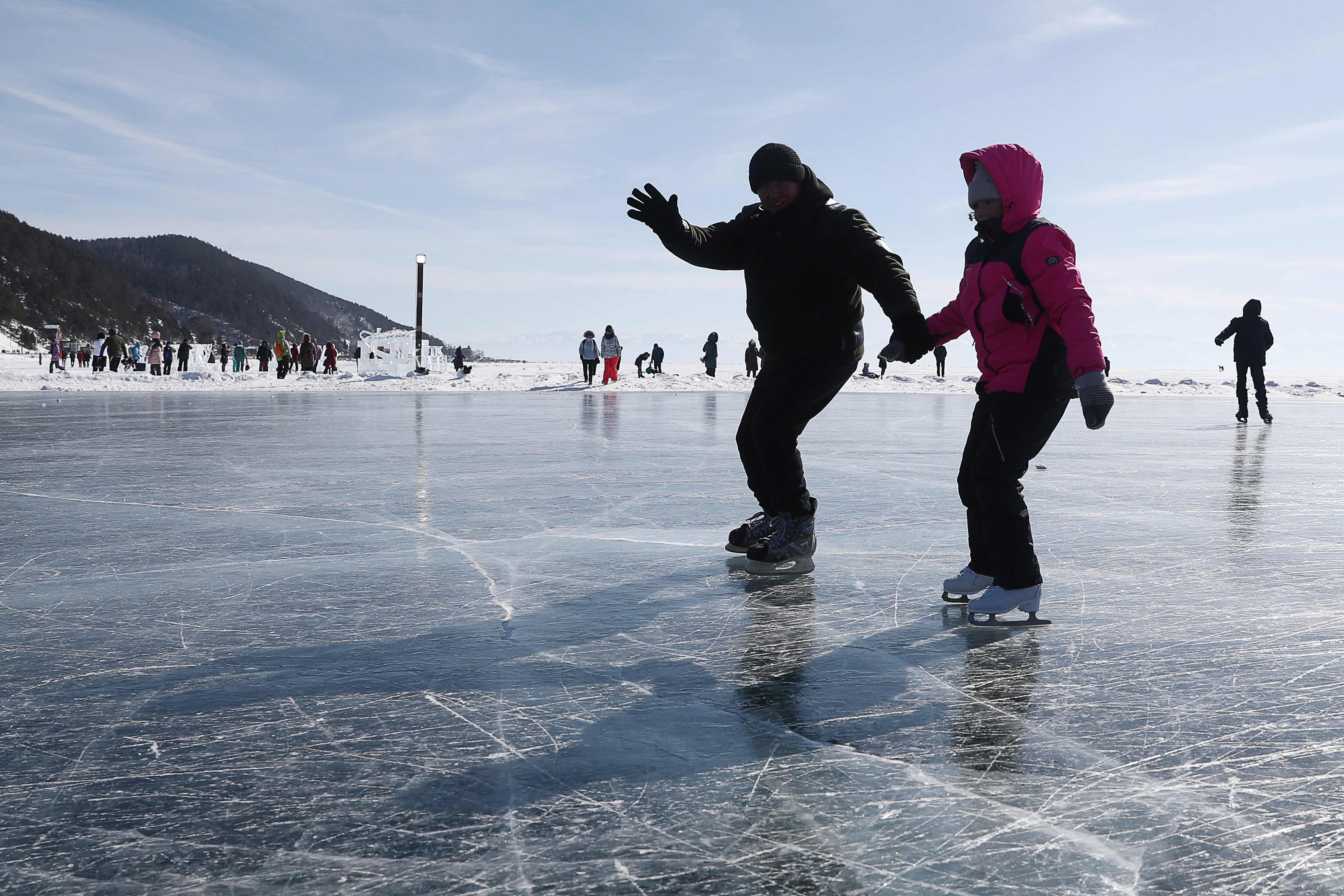
Lake Baikal – a UNESCO World Heritage Site – is located in Russia close to the Mongolian border.
Known as the blue eye of Siberia, it is considered one of the natural wonders of the world and holds about 20 per cent of the world's unfrozen freshwater, which is kept crystal clear by tiny, filter-feeding shrimps known as epishura.
In winter, when the lake's surface is frozen, it is possible to see 40 feet down into the lake.
Baikal supports more than 2,500 species of animals and plants, and 80 per cent of its animal life is endemic – including the mysterious Baikal freshwater seal which has lived on the land-locked lake for many thousands of years despite being hundreds of miles from the nearest coast.
The lake is currently threatened by “pollution, poaching and development”, per the WWF, which cited industrial pollution, mining activities, and agricultural runoff among the specific threats currently endangering Lake Baikal.
In 2019, an overflowing river in Baikal has affected a former pulp and paper mill close to the lake, prompting fears toxic chemicals could be swept into the pristine freshwaters, The Siberian Times reported at the time.
The pollution danger came from untreated waste stored at the facility built in the Soviet era.
Join our commenting forum
Join thought-provoking conversations, follow other Independent readers and see their replies
Comments
Bookmark popover
Removed from bookmarks