Hungary and Slovakia ask neighbouring country to help deliver Russian oil
Hungary and Slovakia rely on Russian oil and gas despite sanctions from the European Union
Hungary and Slovakia have sought Croatia's help to deliver Russian oil, Hungary's foreign minister confirmed on Monday, following disruptions to flows via Ukraine and conflicting accusations of blame.
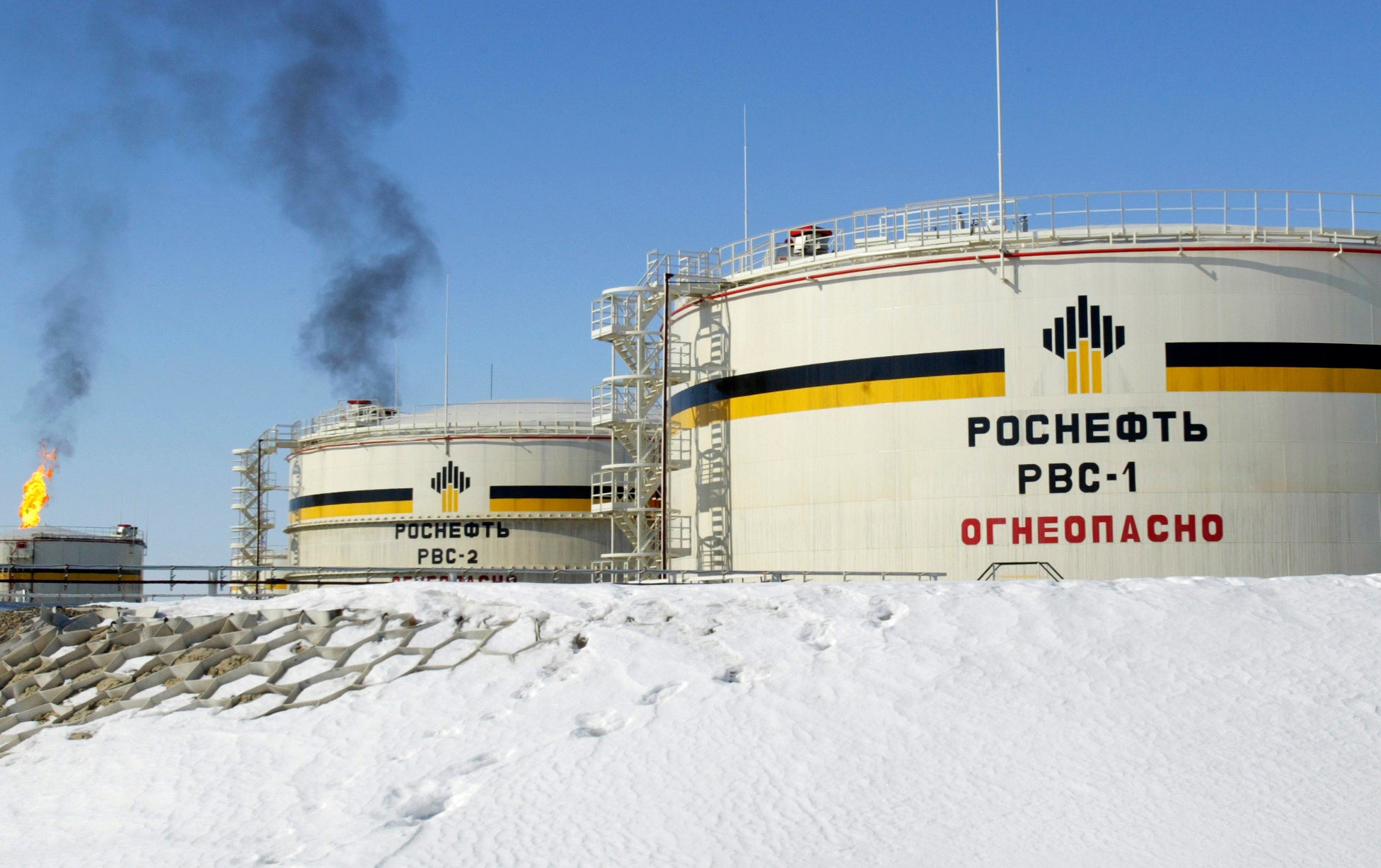
Kyiv's foreign ministry said a Russian attack on the Druzhba pipeline in Ukraine on 27 January had halted flows to Eastern Europe.
Foreign Minister Andrii Sybiha posted a photo on X of firefighters and what he said was Druzhba pipeline infrastructure burning, adding that Hungary had not publicly commented on the incident because Russia was to blame.
However, Hungarian Foreign Minister Peter Szijjarto on Monday rejected Kyiv's assertions, saying that Ukraine had not resumed oil transit via the Druzhba pipeline for political reasons.
He added that he and Slovak Economy Minister Denisa Sakova had sought Croatia's help to source Russian oil.
"We request Croatia to enable the transport of Russian oil to Hungary and Slovakia via the Adria pipeline, as our sanctions exemption provides the possibility to import Russian oil by sea if pipeline deliveries are disrupted," Szijarto wrote on X.
"The security of a country's energy supply must never be an ideological issue. We therefore expect Croatia, unlike Ukraine, not to endanger the oil supply security of Hungary and Slovakia for political reasons."
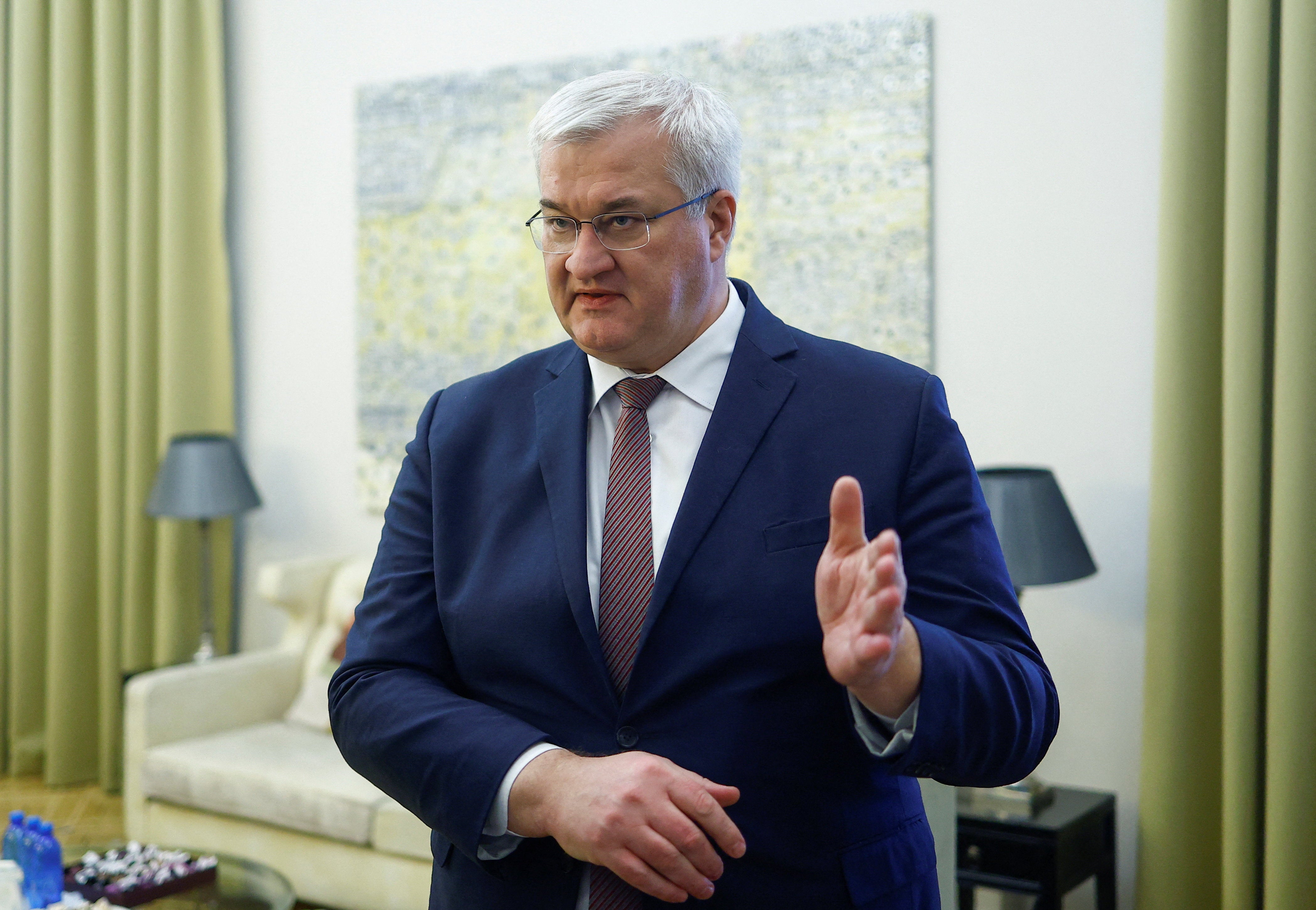
Kyiv has not responded to Szijarto's comments and state-owned Ukrainian oil and gas company Naftogaz did not respond to requests for immediate comment.
Croatian Economy Minister Ante Susnjar suggested his country would be able to comply with Hungary's request.
"Croatia will not allow Central Europe’s fuel supply to be endangered. We are ready to help solve the acute disruption," he said, adding that its cooperation would comply with EU law and the regulations of the US Office of Foreign Assets Control.
Hungary and Slovakia rely on Russian oil and gas and have fought European Union moves to end those flows as part of efforts to cut off energy revenue funding Russia's war in Ukraine.
Hungarian Prime Minister Viktor Orban, meanwhile, has maintained strong ties with Moscow since Russia's invasion of Ukraine and also opposes Kyiv joining the European Union. He has also forged ties with US President Donald Trump.
US Secretary of State Marco Rubio is scheduled to meet Orban on Monday, having visited Slovakia on Sunday, where energy was among the topics he discussed with Prime Minister Robert Fico and President Peter Pellegrini.
The Kremlin said on Monday that it agreed with Fico, who has accused Ukraine of holding up the restart of the Druzhba pipeline to try to pressure Hungary to drop its opposition to Ukraine's potential future membership of the EU.
Join our commenting forum
Join thought-provoking conversations, follow other Independent readers and see their replies
Comments
Bookmark popover
Removed from bookmarks