Piece of metal found near deadly Spanish train accident may give clue into cause of crash
At least 42 people have been killed in one of Europe’s deadliest crashes
A large piece of metal discovered near the site of a high-speed train crash in Spain may be the crucial missing undercarriage component investigators have been searching for to determine the accident's cause, a source and experts said on Wednesday.
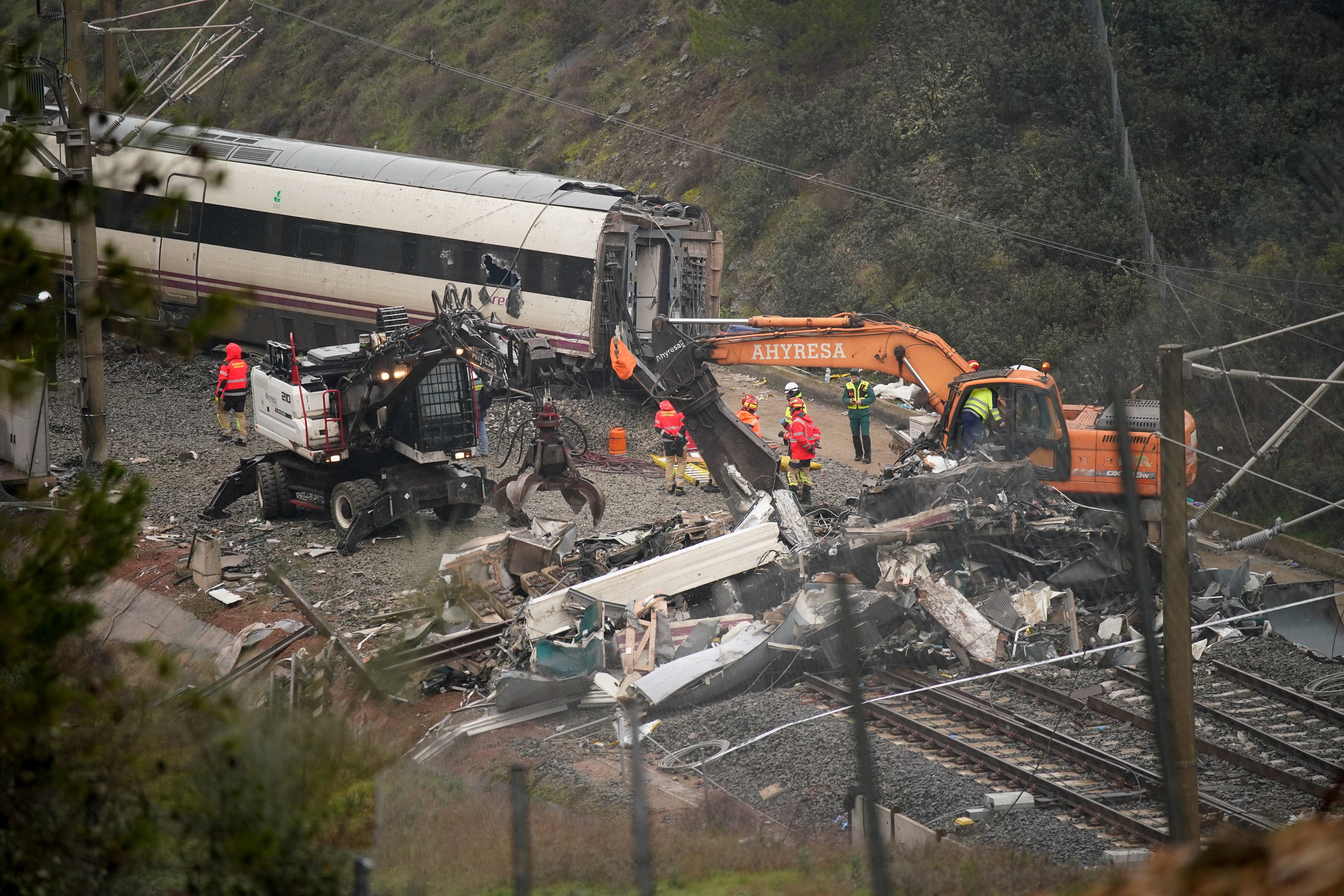
The crash, one of Europe's biggest, happened on Sunday night near the southern town of Adamuz in a remote hilly area, killing at least 42 people.
Inaki Barron, head of Spain's railway accident investigating body CIAF, said on Monday that the investigation would focus on a missing part, known as a bogie. He highlighted its importance as the key point of contact between the speeding train and the tracks, suggesting it could shed light on the cause of the derailment.
Reuters photographs from Tuesday showed the piece lying partly submerged in a small stream to the side of a railway bridge some 15 metres (49 ft) below the train tracks and some 300m from the crash site.
A spokesperson for the Civil Guard police force told Reuters by phone from Adamuz that the piece had been spotted by search teams using drones earlier in the week and had now been physically examined by investigators, adding: "We will look at it to determine what it is."
"Due to its size and weight, it has been left in the place it was found and has not yet been collected."
A source briefed on the probe said the component was believed to be a so-called bogie - the train's wheeled undercarriage - that belonged to the first train that derailed, operated by private consortium Iryo.
Given the very high speed at which the two trains were travelling and the impact of the two trains, the bogie - though very heavy - flew out "like a bullet", the source, who declined to be named due to the sensitivity of the matter, said.
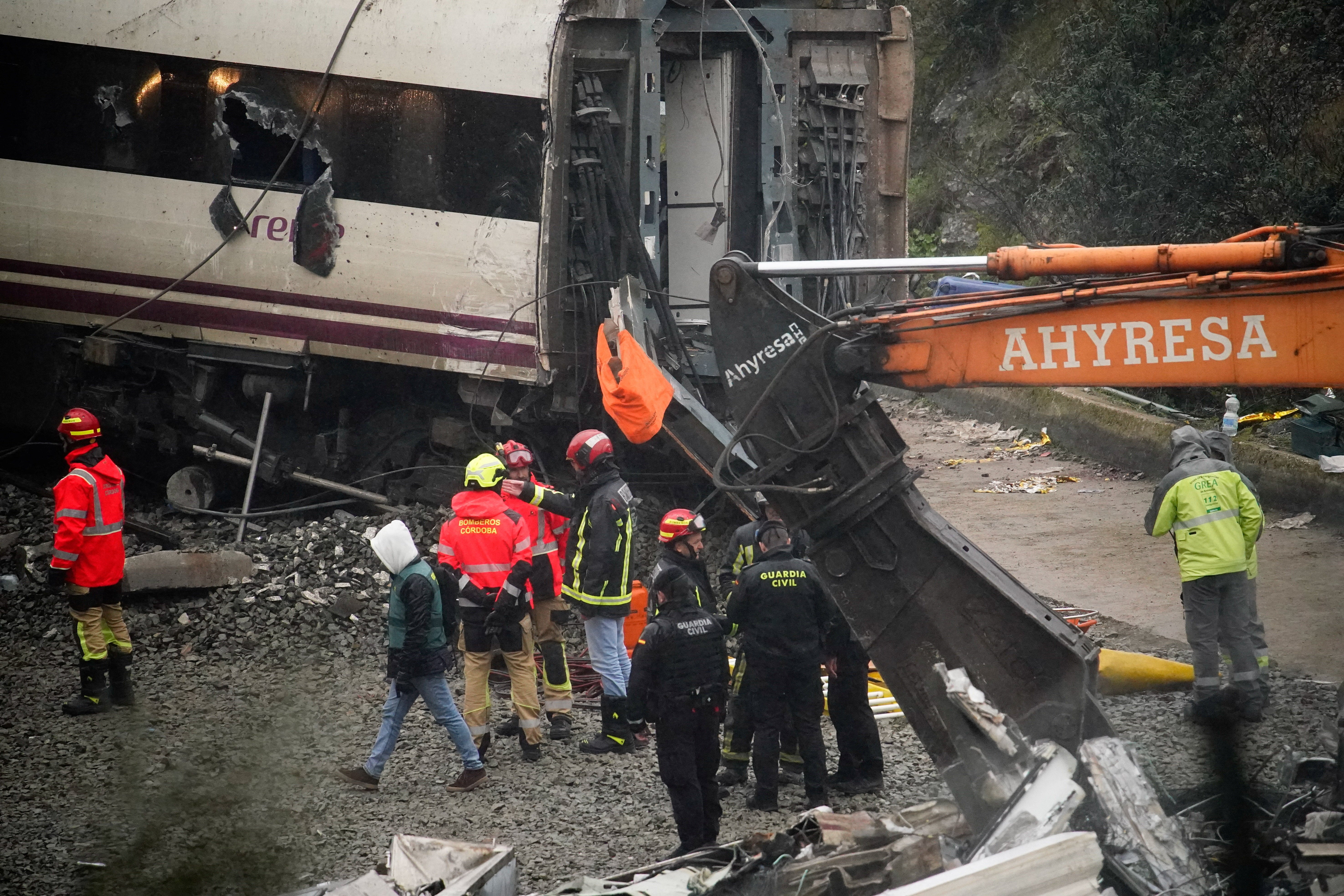
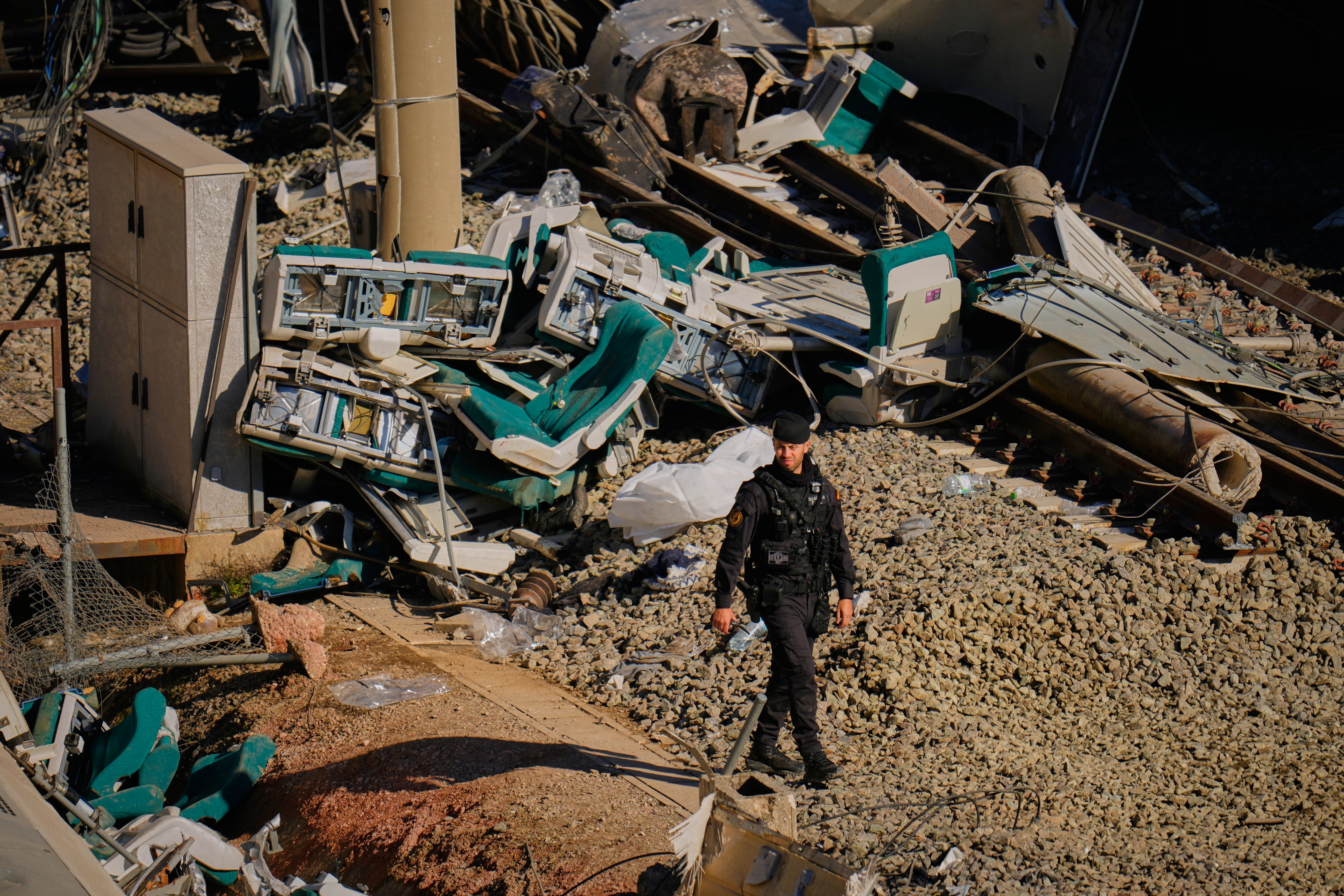
Investigators have combed the area around the crash site over the past three days, cordoning it off, marking and photographing every piece of evidence on the track.
This piece had no markings and it was not within the cordoned area when it was photographed by Reuters on Tuesday afternoon.
"(The part) is currently under investigation by railway accident investigating body CIAF and we cannot add any information or comments outside the scope of that investigation," state rail company Renfe said in an emailed statement to Reuters on Wednesday, the day after the piece was photographed.
The Spanish Transport Ministry, Iryo and Adif did not immediately reply to requests for confirmation that the part photographed by Reuters was the missing bogie.
Italy's Ferrovie dello Stato, the majority owner of Iryo, declined to comment due to the ongoing investigation.
"Bogies - the element holding the wheels and suspension to the train - are often thrown loose during high-energy derailments," Scottish railway engineer and writer Gareth Dennis said.
"The location of this bogie and the section of the train it departed from will help investigators establish the precise trajectories of the derailed vehicles and the energies involved," Dennis added.
Join our commenting forum
Join thought-provoking conversations, follow other Independent readers and see their replies
Comments
Bookmark popover
Removed from bookmarks