Starmer has grasped what his predecessors would not – that Britain is better off in Europe than with the US
The prime minister has shown that the UK needs to stand with the friends it needs – not an American ally that doesn’t need Britain, writes world affairs editor Sam Kiley from Kyiv
Keir Starmer is announcing a pivot away from America and towards Europe in the most radical shift in British foreign policy for decades – re-setting the UK’s place in a world that will diminish America’s power.
There will be consternation in some quarters of the nation’s armed forces, particularly the Special Forces, but ending the junior partner status of Britain under the US puts an end to the fantasy of the Special Relationship.
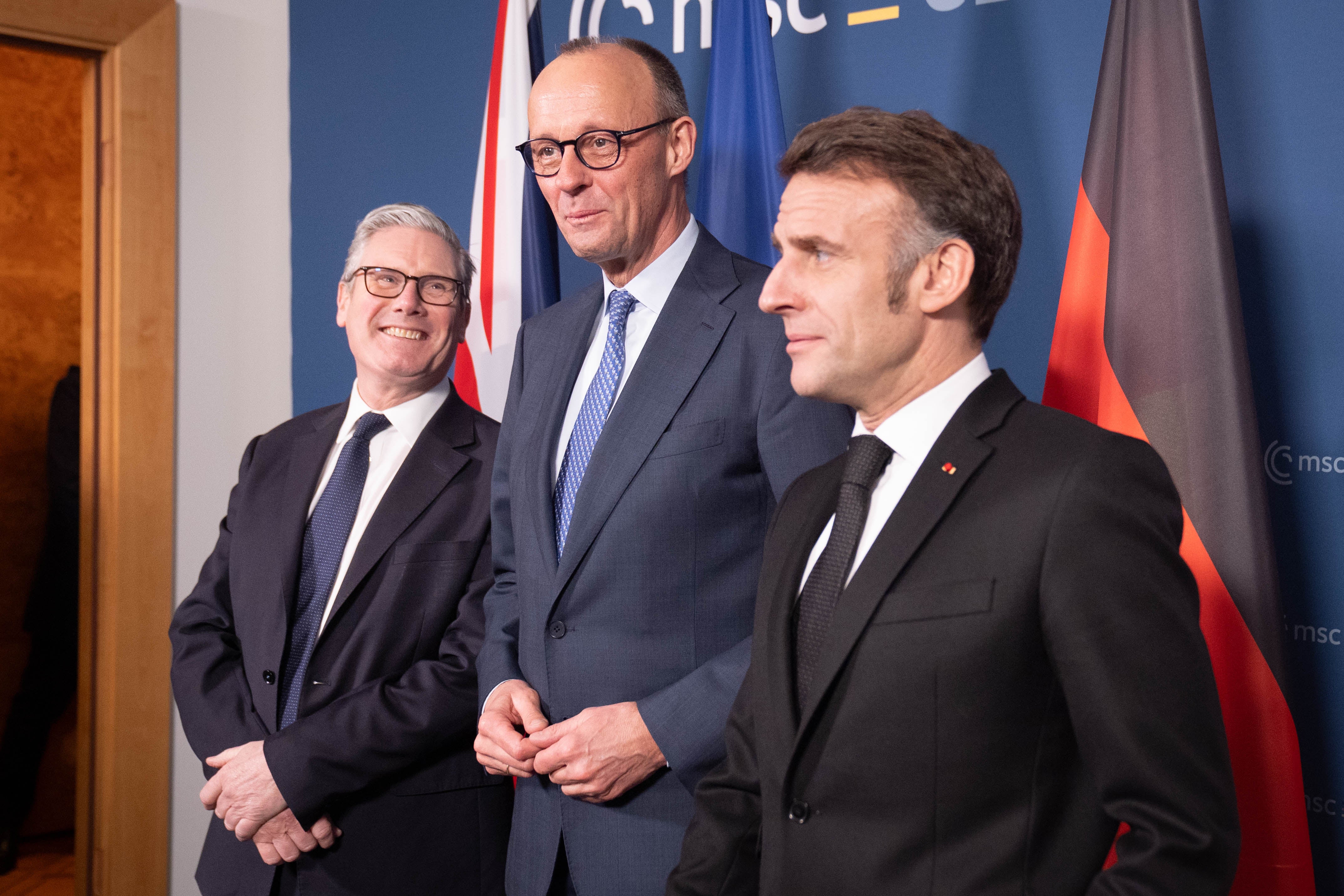
The PM has grasped a barbed wire nettle many of his predecessors could not even see when he stands up at the Munich Security Conference to say: “There is no British security without Europe, and no European security without Britain. That is the lesson of history – and it is today’s reality too.”
He has insisted the US remains an indispensable ally. But he is now insisting that America is no longer the only ally and recognising that Washington is not even a reliable friend.
It has been a long time coming. But it has not always been the case.
Until the end of the Cold War, Britain and the US had a more equal partnership. It was underpinned by the Five Eyes intelligence-sharing relationship with Canada, New Zealand, Australia, the US and UK, but London showed fierce independence.
The UK stayed out of the Vietnam War. The US gave little to no support to Britain’s recapture of the Falkland Islands from Argentina in 1982.
When the US led a multinational UN-sanctioned mission to end warlordism and mass starvation in Somalia in 1992, France, Turkey, Morocco, Pakistan and numerous other nations joined a mission of noble intent. But not Britain.
In those days, it was recognised by a British defence attache in Washington, a major general, that the “special relationship is special to us but not to the Americans”.
“They’re polite and courtly and always seem to listen. Then they close the door behind us when we’ve gone and ignore what we said. It made us feel important but we mattered little to them,” he said before the UK joined the US in the ill-fated war in Iraq and the two-decade fiasco of Afghanistan.
In taking Britain into the Iraq war, the UK became a sub-unit of the US military and in the decade of the so called war on terror that followed, that status was cemented by under-funding and over reliance on the equipment known as “enablers” – the satellite imagery, air transport and refuelling, and the logistics chains that the US leads the world in providing.
Then, last year, 80 years of assumptions about the UK’s future defences were upended by the Trump administration when the junior relationship was downgraded.
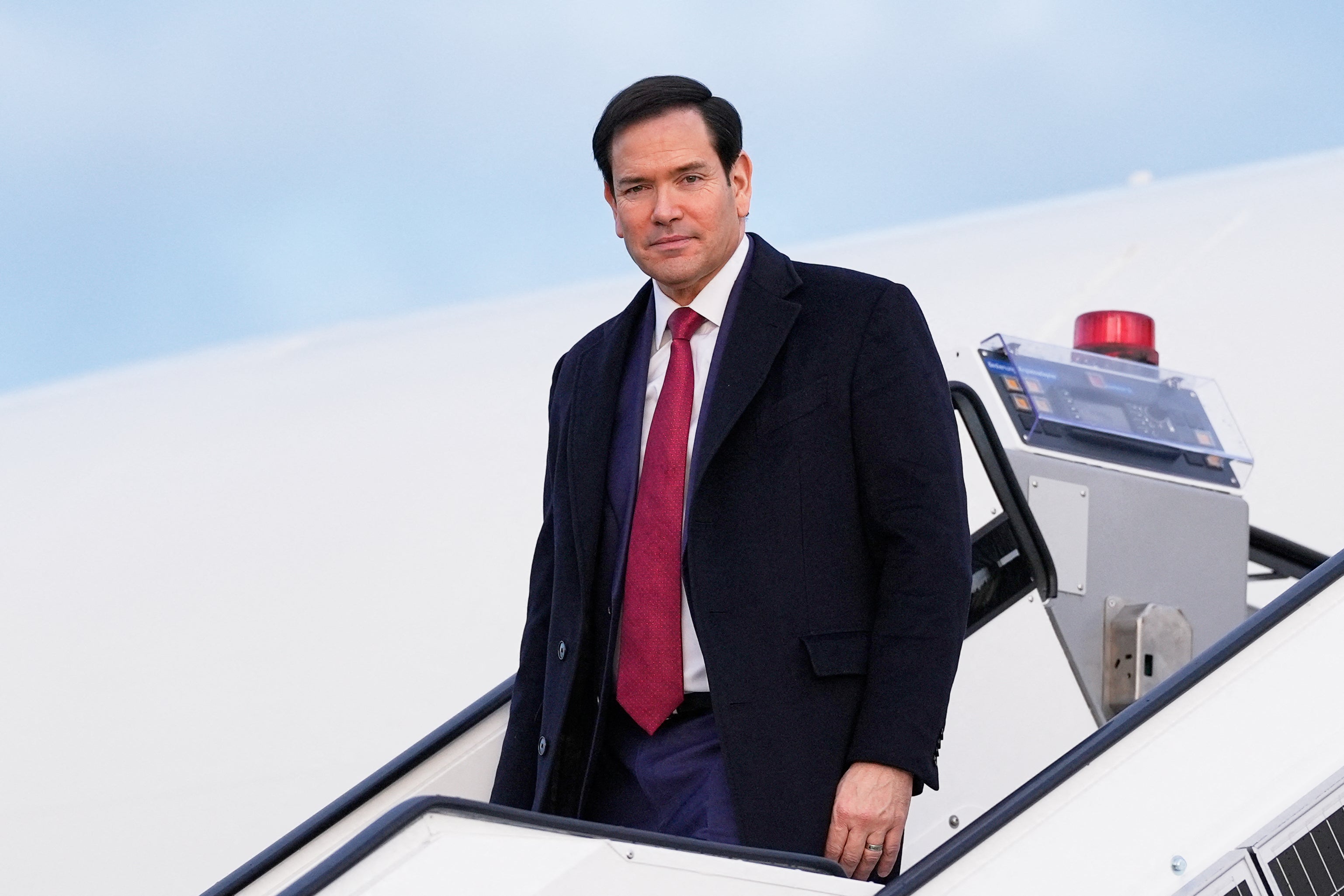
Writing on Substack this week, Tom Tugendhat, a Tory backbencher and former chair of the defence select committee (and former front-line intelligence officer) said: “British defence policy rested on four pillars. The assumption of automatic American support. The credibility of Nato as a guaranteed security provider. The stability of long-term defence planning. And the political consensus that defence could remain a secondary concern. Within the first fifty days of Donald Trump’s return to the White House, all four were effectively dismantled.”
Britain’s Special Air Service and the Special Boat Service, each (officially) comprising four squadrons of Tier 1 “operators”, are the only units with which the UK and US are on parity. The Americans have about the same number of their most highly trained soldiers.
For the last 25 years, they have worked hand in glove. Britain’s military reputation with the US has largely rested on this relationship; even though the UK lacked the specialist equipment and aircraft their cousins could call on, they enjoyed access to the very best kit through that relationship.
Elsewhere, the UK has fared less well from the relationship. In Iraq, American and Iraqi troops had to bail the British out of a disastrous campaign in Basra and the south of the country. In Helmand, embattled British-led troops in southern Afghanistan were again bailed out by a 30,000-person surge by US Marines.
For the Americans, it has been good to have the British along. Frontline soldiers deeply appreciated the panache and bravery of the UK’s fighting men and women. But they were never militarily necessary.
The British army, now around 72,000, is less than half the size of the US Marine Corps, 172,000. Active service personnel in the whole of the British armed forces are less than the marines can field – and on top of that, the marines have their own jets, transport, artillery and ships. They can operate with far greater direct punch and autonomy than the British. There are more of them, they have better equipment, and they’re all from the same unit.
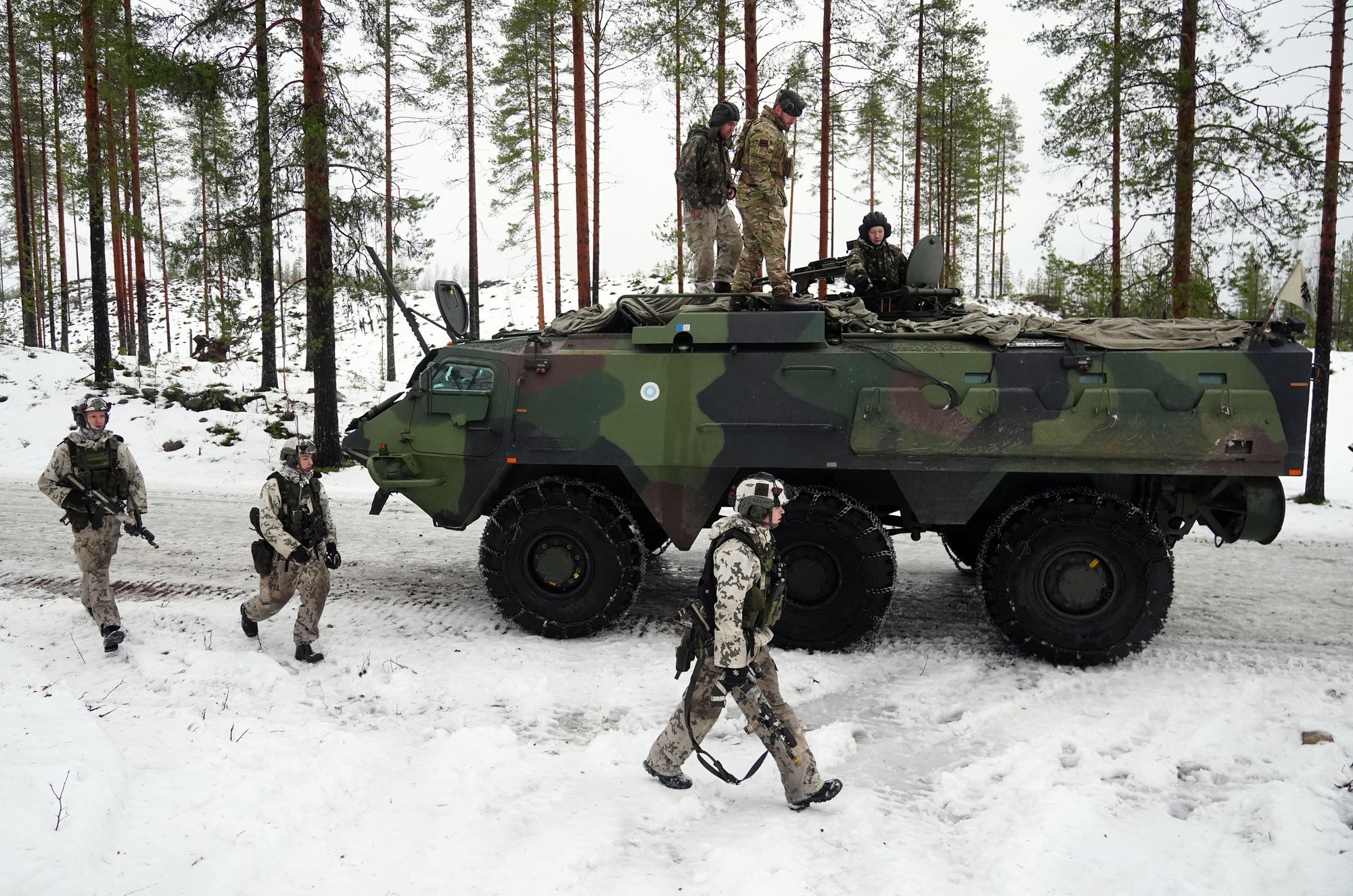
The threat to the UK is from Russia. So it makes sense to concentrate military efforts and improve military capacity in Europe, and with European forces.
“We are not the Britain of the Brexit years anymore. Because we know that, in dangerous times, we would not take control by turning inward - we would surrender it. And I won’t let that happen,” the prime minister said.
“I'm talking about a vision of European security and greater European autonomy that does not herald US withdrawal but answers the call for more burden sharing in full, and remakes the ties that have served us so well.”
He is right to argue that Europe and the UK need to invest in their own arms manufacturing capability and wean themselves off American-made equipment. A rapid end to duplication across the continent will be essential for the region to better cope with the autonomy that Trump is thrusting upon it with his threats against Greenland and his general contempt for Nato.
Britain’s Royal Navy is the most powerful in Europe, with two aircraft carriers and nuclear-powered submarines, with the total tonnage of vessels greater than the German, French and Italian Navies combined. France has more people in her forces, around 200,000, and a larger army, but the UK has more specialised units focused on fast deployment.
Poland’s forces are fast-growing, with around 215,000 on active service, and it is arming at a staggering pace. Turkey is Nato’s second largest force of about 440,000 after the US (1.3 million).
But in more directly working in Europe and as a European nation, the UK’s forces will have the opportunity to be the first among equals in cooperating over defending against a real and present danger in the Kremlin, and dealing with Moscow’s grey, or hybrid, war that’s already being fought across Europe.
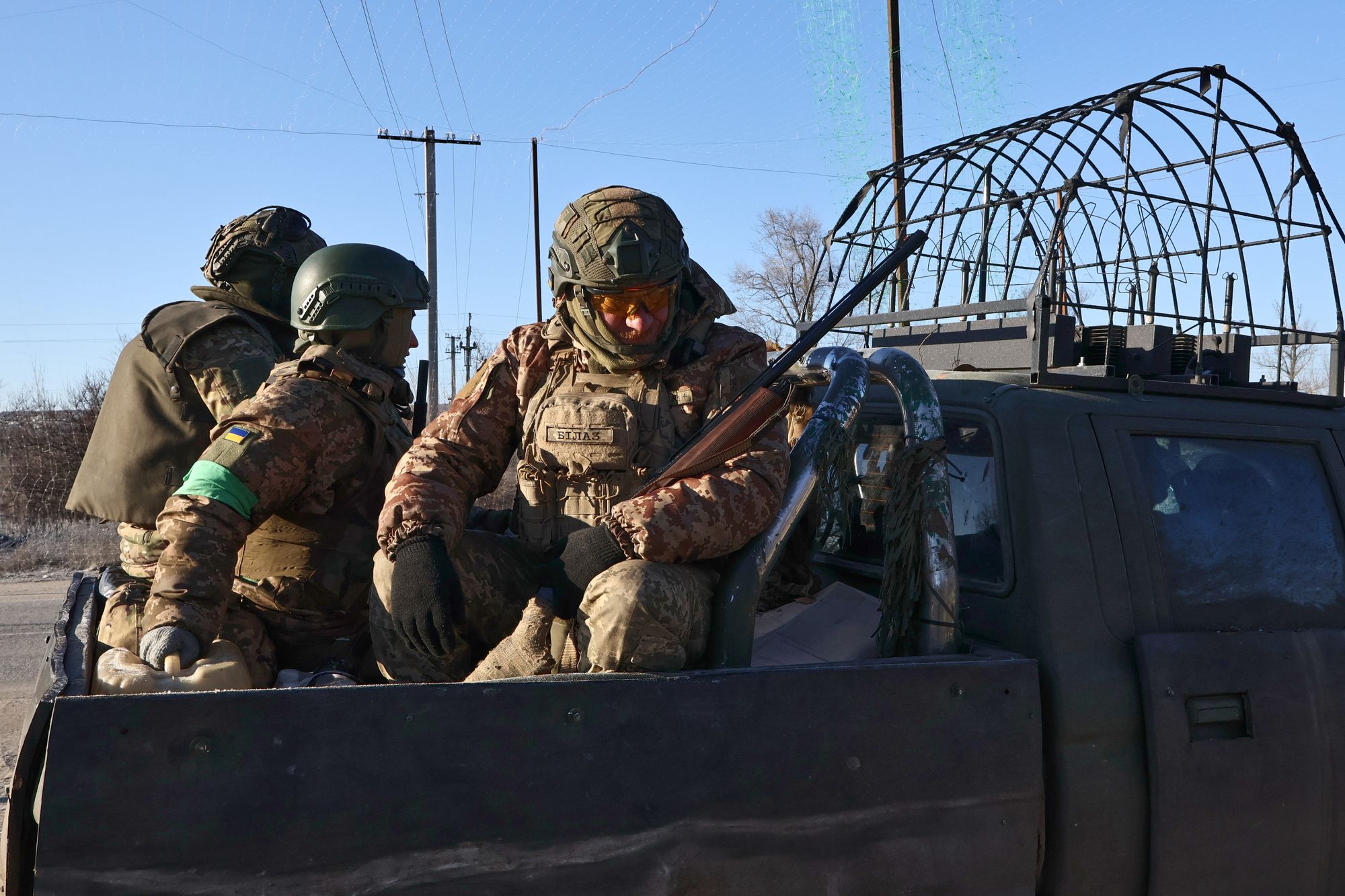
They’ll be joined, no doubt, by Ukraine’s 800,000-plus battle-hardened veterans and Kyiv’s fast-growing military-industrial sector.
“We want to bring our leadership in defence, tech and AI together with Europe – to multiply our strengths and build a shared industrial base across Europe which can turbocharge our defence production,” Sir Keir said.
Trump has insisted that is what he wants to see. But when it starts to happen, an independent Europe will leave America much enfeebled.
Join our commenting forum
Join thought-provoking conversations, follow other Independent readers and see their replies
Comments
Bookmark popover
Removed from bookmarks